
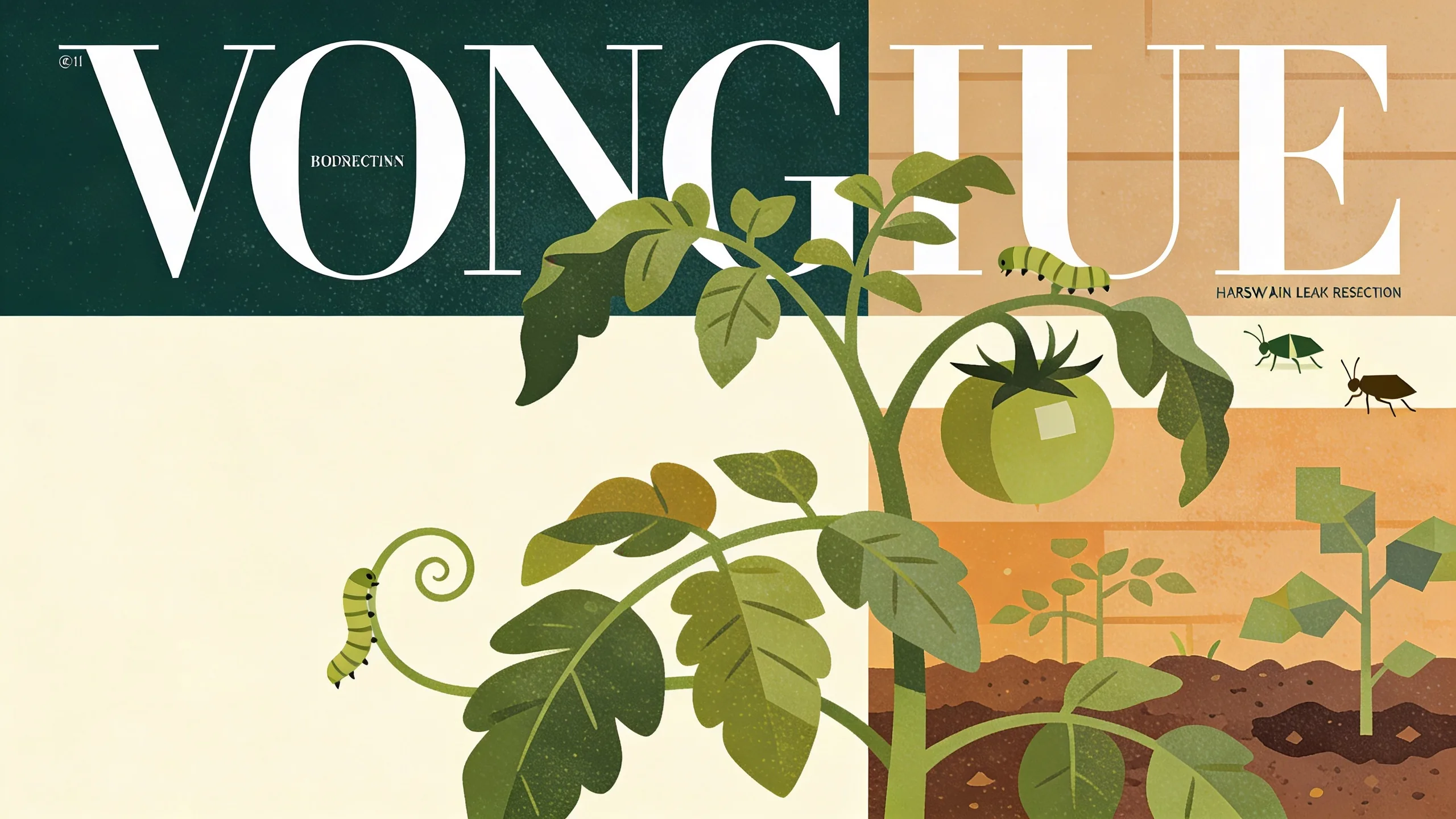
Texas A&M Expert Reveals How to Spot and Stop Common Tomato Pests Before They Destroy Your Garden
Tomato season in Texas brings more than just the promise of juicy homegrown fruit. For gardeners across the state, it also signals the arrival of a familiar cast of destructive pests that can turn a thriving crop into a withered mess almost overnight.
Joe Masabni, Ph.D., a vegetable specialist with Texas A&M AgriLife Extension Service, has spent years helping Texans decode the warning signs of trouble in their tomato patches. His recent guidance comes at a critical moment: as temperatures climb and humidity settles in, the conditions become perfect for an explosion of pest populations.
The Overnight Leaf Strippers
Few sights strike fear into a tomato grower's heart quite like the tomato hornworm. These massive green caterpillars—often reaching the size of a finger—can defoliate an entire plant in a single night. Masabni notes that their camouflage makes them particularly insidious; they blend so perfectly with tomato foliage that gardeners often don't spot them until significant damage has occurred.
The hornworm's appetite is voracious and indiscriminate. It consumes leaves, stems, and even immature fruit, leaving behind bare stalks where lush greenery once stood. Hand-picking remains the most effective control for home gardeners, though some have success with Bacillus thuringiensis (Bt) applications during early larval stages.
The Fruit-Ruining Invaders
Leaf-footed bugs present a different kind of threat. Rather than stripping foliage, these insects pierce developing tomatoes to feed on their juices. The result is hardened, discolored fruit with a leathery texture that renders it inedible. A single infestation can ruin an entire season's harvest.
What makes leaf-footed bugs particularly frustrating is their mobility. They move quickly between plants and can be difficult to catch. Masabni recommends removing them by hand when populations are small and using row covers as a preventive barrier early in the growing season.
The Microscopic Menace
Broad mites operate on a scale invisible to the naked eye, yet their damage is unmistakable. These microscopic arachnids attack new growth, causing leaves to curl, twist, and become distorted. Infected plants take on a stunted, unhealthy appearance that can be mistaken for herbicide damage or viral infection.
Because broad mites are so small, gardeners often misdiagnose the problem and apply ineffective treatments. Masabni emphasizes that proper identification is crucial—neem oil and insecticidal soap can work, but only if applied with sufficient coverage to reach the mites hiding in curled leaf tissue.
The Disease Vectors
Whiteflies represent perhaps the most complex threat to Texas tomatoes. These tiny flying insects suck sap from leaves, causing direct damage, but their real danger lies in their role as disease vectors. Whiteflies transmit tomato yellow leaf curl virus, a devastating pathogen that stunts plants and reduces yields to nearly zero.
The virus spreads rapidly once whiteflies establish themselves. Infected plants show characteristic yellowing and curling of new growth, often accompanied by a general decline in vigor. Once a plant is infected, there is no cure—prevention through whitefly control becomes the only viable strategy.
Integrated Approaches for Texas Gardens
Masabni advocates for an integrated pest management approach rather than reliance on single solutions. Regular scouting—examining plants thoroughly at least twice weekly—allows gardeners to catch problems before they escalate. Removing damaged leaves promptly prevents diseases from gaining footholds.
For chemical interventions, he recommends starting with softer options like neem oil, spinosad, or insecticidal soap. These products target common tomato pests while preserving beneficial insects that provide natural control. Applications during humid periods, when fungal diseases also threaten, can address multiple problems simultaneously.
The bottom line for Texas gardeners: vigilance pays. The state's heat and humidity create ideal conditions for pest explosions, but early identification and quick action can mean the difference between a bountiful harvest and a garden full of damaged plants.
Sources
Texas Bug Slayers Editorial Team
Editorial Board
The Texas Bug Slayers editorial team brings together licensed pest control professionals, entomologists, and writers dedicated to helping Texans protect their homes and families from pests.
Related Articles

The Cotton Jassid Vanished This Season. Experts Say That's No Reason to Relax
After 2025's invasive cotton jassid surge, winter freezes have kept 2026 populations low across the Southeast. UGA's Phillip Roberts warns growers — including in Texas — to keep scouting.
Pasture Mealybug Spreads Across 70 Texas Counties, Threatening Hay Production
A newly invasive pasture mealybug is devastating Texas hay fields and pastures, with confirmed infestations in 70 counties. Learn identification tips and prevention strategies.
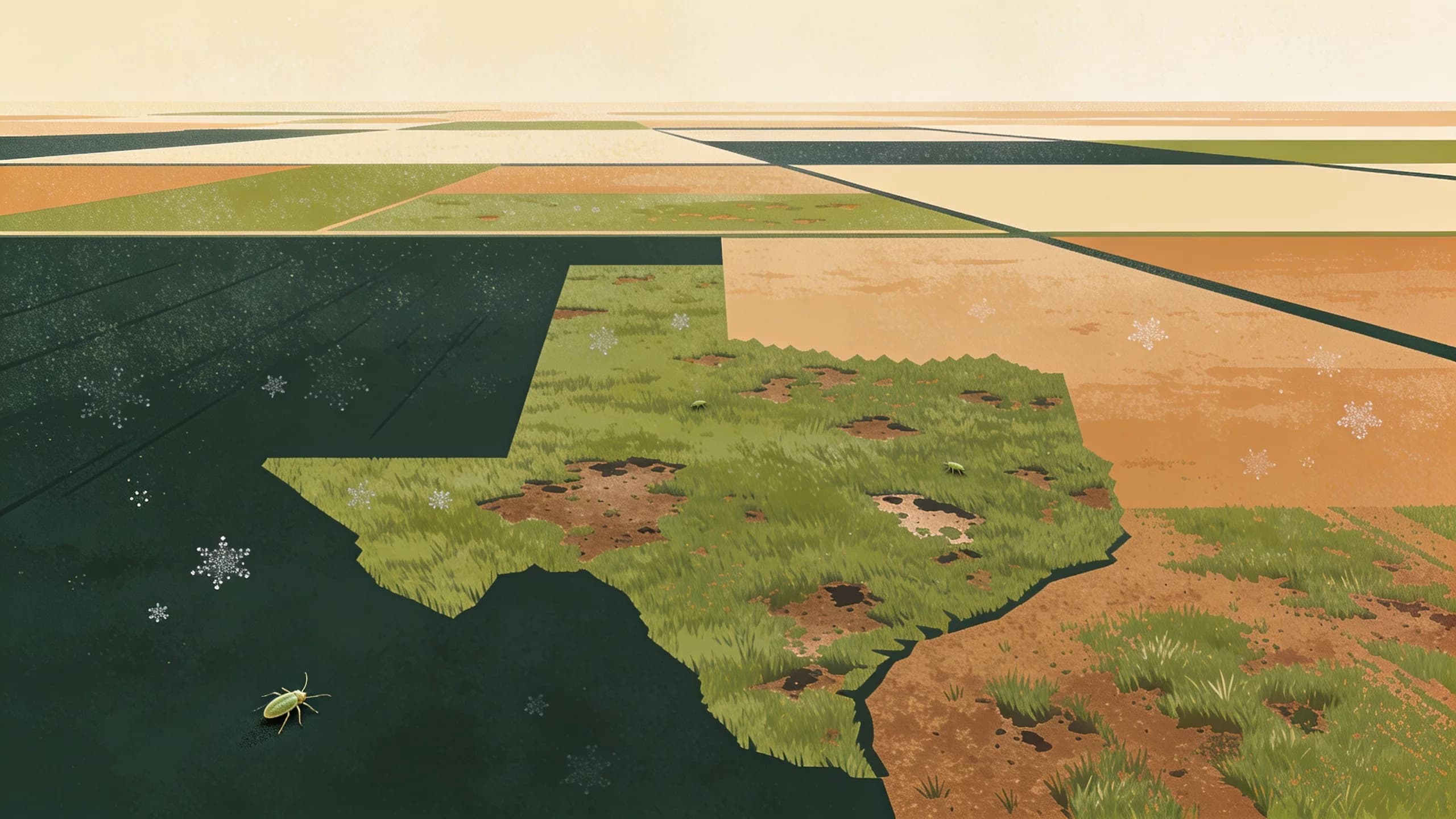
Pasture Mealybug Spreads to 70 Texas Counties, Threatening $15.5 Billion Cattle Industry
Texas A&M AgriLife warns of rapidly expanding invasive pest that could cause up to $1 billion in annual forage losses with no effective pesticide controls available.