
Screwworm Detected Just 31 Miles from Texas Border in Mexican Sheep
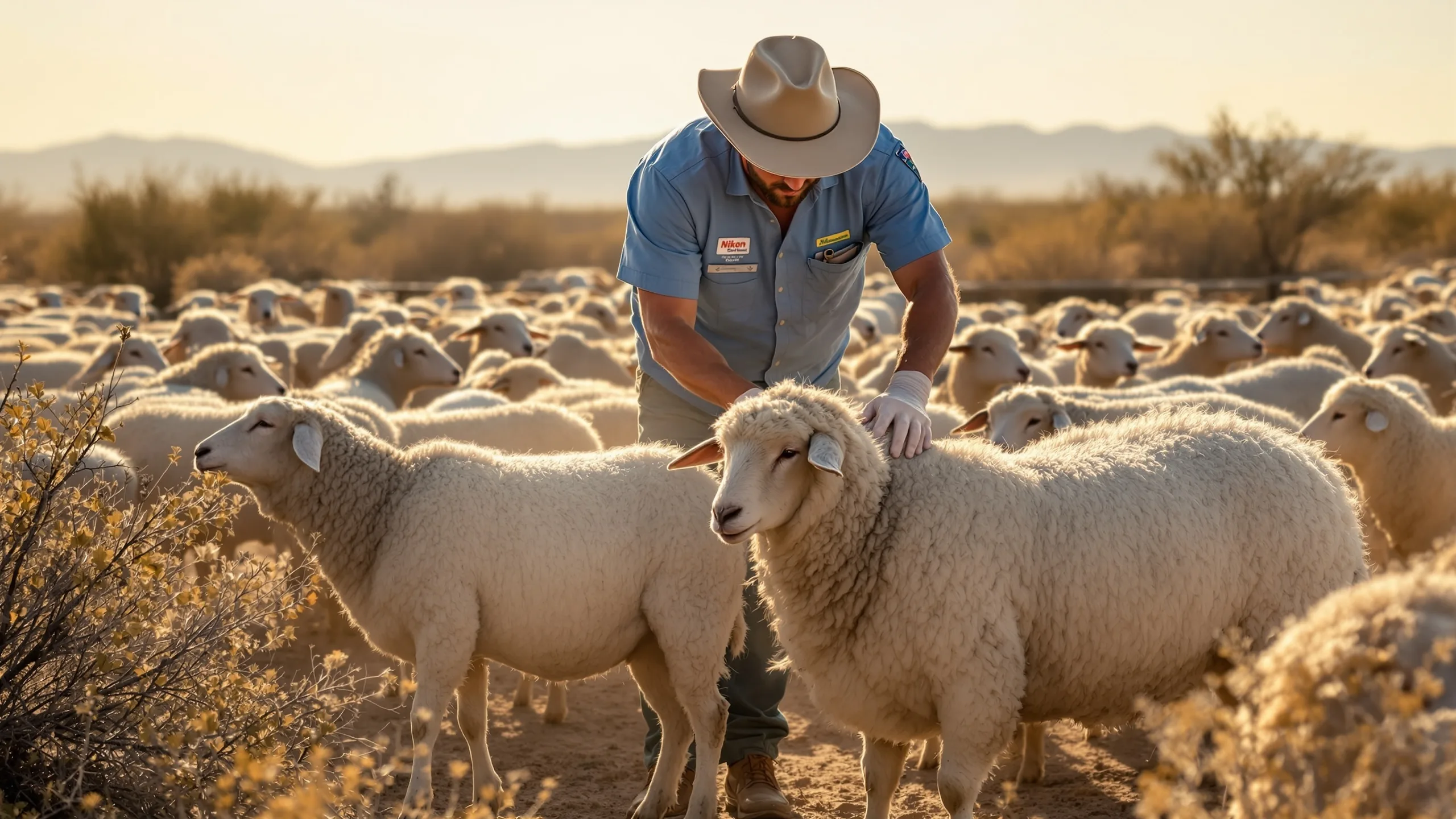
The closest detection yet. USDA officials confirmed Friday that New World screwworm has been found in a six-month-old sheep in Mexico's Coahuila state—just 31 miles from the Texas border.
Our live Texas screwworm case tracker keeps the running count and county map as USDA updates land.
This latest case marks the nearest approach of the flesh-eating parasite to U.S. soil since the outbreak began spreading northward through Mexico more than a year ago. The detection has triggered an expanded public awareness campaign by U.S. Customs and Border Protection and intensified anxiety among Texas ranchers who have watched the pest's steady advance.
The Coahuila Case
The infected sheep was discovered during routine surveillance operations in Coahuila, a northern Mexican state that shares a lengthy border with Texas. At six months old, the young animal represents exactly the kind of vulnerable livestock that screwworms target—the parasites lay eggs in open wounds, and the resulting larvae feed on living tissue, creating festering wounds that can kill untreated animals within days.
USDA's Animal and Plant Health Inspection Service (APHIS) confirmed the detection through laboratory analysis. The agency has not released the exact location within Coahuila, but the 31-mile distance places the parasite well within the expanded sterile fly dispersal zone that USDA established earlier this month.
CBP Responds with Border Campaign
U.S. Customs and Border Protection launched a public awareness campaign this week targeting travelers crossing at South Texas ports of entry. The initiative aims to prevent accidental transport of screwworm-infested animals or contaminated materials into the United States.
"The parasite could seriously impact livestock, pets and the meat industry," CBP officials warned in campaign materials distributed at border crossings. The agency is particularly concerned about travelers visiting rural areas in northern Mexico who might unknowingly carry larvae on clothing, equipment, or vehicle undercarriages.
Border agents have been instructed to increase inspections of livestock transports and to question travelers about recent contact with animals in Mexico. All southern ports of entry remain closed to livestock trade from Mexico—a restriction that has been in place for over a year and shows no signs of easing.
The Economic Stakes
The 31-mile detection heightens risk for America's beef industry and cattle producers, who have feared since early 2025 that the pest would eventually cross into Texas. New World screwworm was eradicated from the United States in 1966 through an intensive sterile insect technique program, and the current outbreak represents the most serious threat to that achievement in nearly six decades.
If screwworm establishes itself in Texas, the economic consequences would be severe. The parasite affects all warm-blooded animals, including cattle, sheep, goats, horses, dogs, cats, and wildlife. Treatment requires veterinary intervention and wound management. Prevention in endemic areas demands constant vigilance and regular inspection of animals for wounds.
The Texas cattle industry, which supports thousands of ranching operations and contributes billions to the state economy, would face immediate trade restrictions if screwworm were detected within state borders. Florida has already restricted livestock imports from six South Texas counties as a precautionary measure.
USDA's Defensive Measures
The USDA has been preparing for this moment. The agency broke ground in April on a $750 million sterile fly facility at Moore Air Base near Edinburg, Texas. When operational, the facility will produce billions of sterilized male screwworm flies for aerial release across the border region.
The sterile insect technique works by flooding the environment with males that mate with wild females, producing no offspring. Over time, this drives wild populations toward extinction. The approach successfully eradicated screwworm from North America decades ago and remains the most promising defense against reintroduction.
Meanwhile, USDA APHIS has expanded the sterile fly dispersal zone to cover the entire Texas-Mexico border from Eagle Pass to the Gulf Coast. Aircraft release millions of sterilized flies weekly across this corridor, creating a biological barrier designed to prevent northern movement.
What Ranchers Should Know
Texas A&M AgriLife Extension has been conducting educational workshops for livestock producers across the border region. Key recommendations include:
Inspect animals daily for wounds, no matter how small. Screwworms can infest even minor scratches, tick bites, or branding marks. Any wound with visible larvae or a characteristic foul odor requires immediate veterinary attention.
Maintain wound treatment supplies on-site. Products containing coumaphos or ivermectin can kill screwworm larvae when applied promptly to infested wounds.
Report suspicious cases immediately. The Texas Animal Health Commission maintains a 24-hour hotline for screwworm reports. Early detection is critical to preventing establishment.
The Road Ahead
At 31 miles and closing, the screwworm threat has never been more immediate for Texas agriculture. The coming months will test whether USDA's expanded sterile fly operations and CBP's border awareness campaign can hold the line against this relentless biological invader.
For South Texas ranchers, the message is clear: vigilance is no longer optional. The parasite that devastated livestock across the southern United States before 1966 is knocking at the door, and the margin for error has narrowed to 31 miles.
Sources
Texas Bug Slayers Editorial Team
Editorial Board
The Texas Bug Slayers editorial team brings together licensed pest control professionals, entomologists, and writers dedicated to helping Texans protect their homes and families from pests.
Related Articles

USDA Unveils Quarterly Review Roadmap for Screwworm Response Playbook
USDA APHIS shares comprehensive roadmap for quarterly reviews of New World Screwworm Response Playbook as parasite cases reach 45 infestations across Texas and New Mexico.
Screwworm Count Reaches 44 as Brewster County Adds Two More Cases and the Infested Zone Extends Into Presidio
USDA's dashboard now lists 44 confirmed New World screwworm cases — 43 in Texas — after two cattle cases in Brewster County and a sheep in Pecos County closed out July. TAHC has extended the infested zone into Presidio County, bringing movement restrictions to parts of 23 counties.
Screwworm Count Reaches 42 as Three More Texas Counties Join the Case Map and Pet Transport Rules Tighten
USDA's dashboard now lists 42 confirmed New World screwworm cases — 41 in Texas — after goats tested positive in Sutton County on July 21. Jim Hogg, Pecos and Uvalde counties also carry confirmed cases, and interstate pet transport rules are squeezing Texas shelters.