
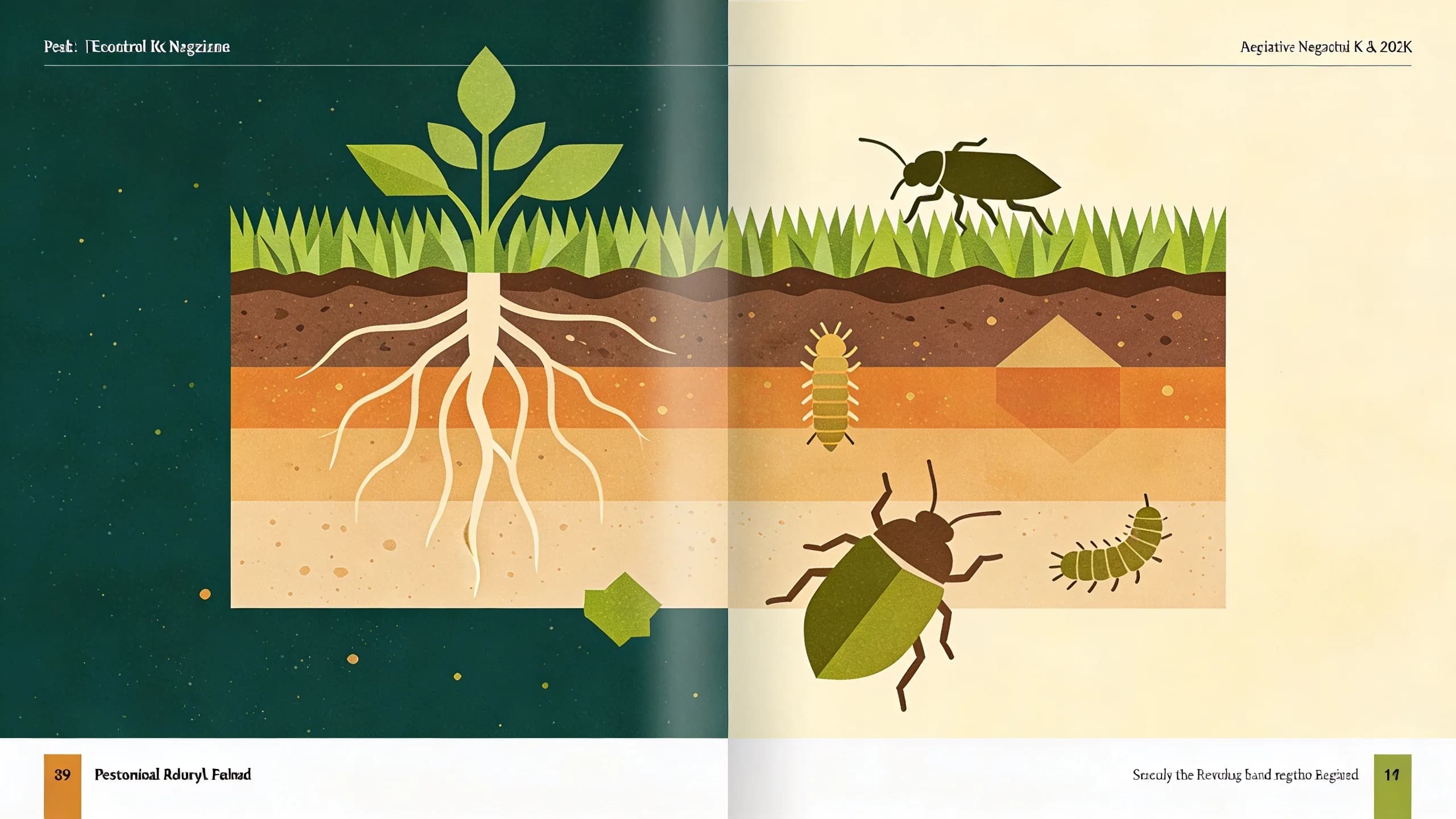
Texas Summer Lawn Pests: How to Spot and Stop Chinch Bugs, Grubs, and Armyworms
As temperatures climb across Texas, homeowners are shifting attention to their lawns—just as several destructive pests are preparing to feast. Texas A&M AgriLife Extension specialists are warning that 2026 could bring significant pressure from chinch bugs, white grubs, and fall armyworms, with early prevention proving far more effective than reactive treatments.
The timing aligns with an upcoming Responsible Pesticide Use in Turfgrass Systems workshop scheduled for June 3 in Pearland, where the Extension Service and City of Pearland will offer six Texas Department of Agriculture continuing education units covering integrated pest management, regulations, and drift minimization. For homeowners, understanding what to look for now can mean the difference between a thriving lawn and expensive renovation come fall.
Chinch bugs rank among the most misdiagnosed lawn pests in Texas. These tiny insects—barely one-fifth of an inch long—puncture grass blades and extract plant fluids, causing irregular yellow patches that spread rapidly through summer. The damage often mimics drought stress, leading homeowners to overwater when they should be treating. St. Augustine grass, widely planted across Central and South Texas, proves particularly susceptible. Bermudagrass shows more tolerance but isn't immune.
The key diagnostic clue is pattern. Drought stress affects lawns relatively evenly across exposed areas. Chinch bug damage radiates outward from specific hot spots—often starting along sidewalks or driveways where heat reflects back onto the turf. The browning typically begins in sunny corners and expands in irregular patches rather than uniform zones.
White grubs present a different challenge. These beetle larvae feed on grass roots beneath the soil surface, causing sections of lawn to die and peel back like loose carpet. The damage becomes visible in late summer when stressed turf can't recover from heat and foot traffic. By the time homeowners notice, the root system is often too compromised for simple treatments.
Timing matters enormously with grubs. The larvae are vulnerable soon after hatching but grow increasingly resistant as they mature. Early-season preventive treatments target the young insects before they can establish deep feeding tunnels. Waiting until visible damage appears typically requires more aggressive—and expensive—curative approaches.
Fall armyworms bring their own brand of destruction. These caterpillars can devastate large lawn sections within days, moving across turf in visible fronts that consume everything green in their path. Unlike the subtle, patchy damage from chinch bugs or the delayed symptoms of grub feeding, armyworm destruction is dramatic and fast.
The good news: multiple control strategies exist beyond chemical applications. Cultural practices alone can significantly reduce pest pressure. Dethatching—removing the layer of dead grass and debris that accumulates between soil and living turf—eliminates chinch bug habitat without any pesticide use. Proper mowing height, appropriate irrigation, and soil health maintenance strengthen grass naturally, making lawns less attractive to pests and better able to recover from damage that does occur.
Biological controls offer additional options. Beneficial nematodes—microscopic organisms that prey on soil-dwelling pests—prove effective against grubs, cutworms, fall armyworms, and mole crickets without harming beneficial insects or creating chemical exposure concerns. Bacillus thuringiensis (Bt), a naturally occurring soil bacterium, targets caterpillar pests specifically while leaving pollinators and other wildlife unharmed.
For those choosing chemical treatments, selection and timing are critical. Different products target different pest life stages, and misapplication wastes money while potentially harming non-target organisms. The June workshop in Pearland will address these nuances for professional applicators, but homeowners can access similar guidance through local AgriLife Extension offices and online resources.
Regional variations across Texas affect which pests dominate. East Texas lawns, with their heavier soils and higher rainfall, often face more grub pressure. West Texas properties contend with different pest complexes shaped by drier conditions. The Hill Country's thin soils and temperature fluctuations create unique stress patterns that influence both pest pressure and treatment timing.
As summer approaches, Extension specialists emphasize integrated approaches combining monitoring, cultural practices, and targeted treatments when necessary. The goal isn't eliminating every insect—an impossible and ecologically harmful objective—but maintaining healthy turf that can withstand normal pest pressure without significant damage.
For Texas homeowners, the message is straightforward: inspect regularly, identify correctly, and act early. The pests are coming. Preparation determines whether they remain a minor nuisance or become a major expense.
Sources
Texas Bug Slayers Editorial Team
Editorial Board
The Texas Bug Slayers editorial team brings together licensed pest control professionals, entomologists, and writers dedicated to helping Texans protect their homes and families from pests.
Related Articles
Praying Mantids in Texas Gardens: Friend or Foe?
Texas A&M expert explains whether praying mantids help or harm your garden — and debunks common myths about these fascinating predators.
Lovebugs Swarm Houston in Late Summer Surge, Testing Patience and Paint
Houston drivers and homeowners face an unwelcome seasonal visitor as lovebugs swarm the region in higher-than-usual numbers this August.

The Cotton Jassid Vanished This Season. Experts Say That's No Reason to Relax
After 2025's invasive cotton jassid surge, winter freezes have kept 2026 populations low across the Southeast. UGA's Phillip Roberts warns growers — including in Texas — to keep scouting.