
USDA APHIS Expands Sterile Fly Dispersal Zone to Block Screwworm Threat
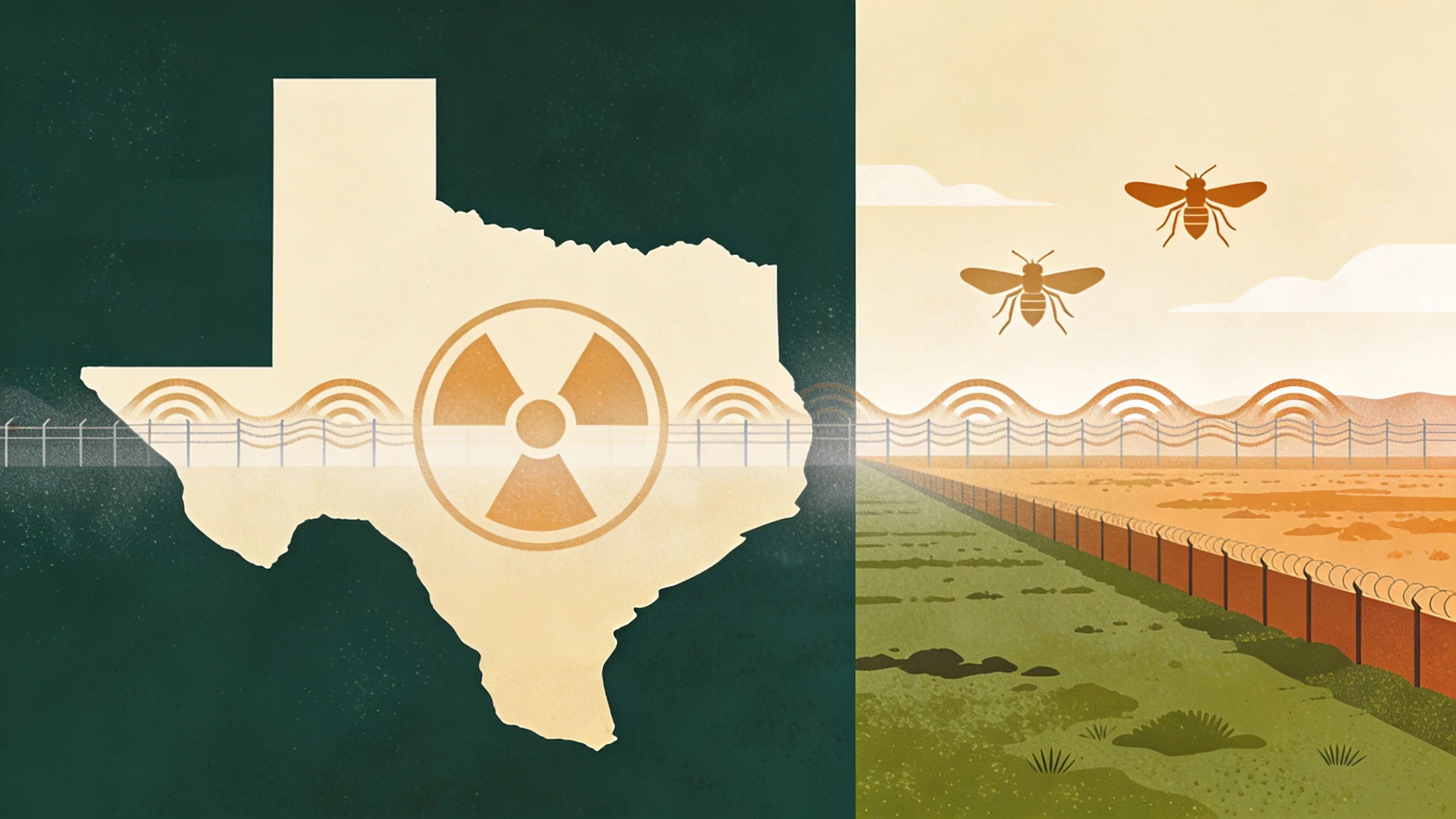
The United States Department of Agriculture's Animal and Plant Health Inspection Service (USDA APHIS) has shifted its sterile fly dispersal zone northward along the Texas-Mexico border, a tactical adjustment designed to strengthen the biological barrier against the approaching New World Screwworm threat.
Track every confirmed case on our live Texas screwworm tracker and county map.
The Texas Animal Health Commission announced the change last week, noting that while no screwworm cases have been detected within the United States, the modified dispersal area expands protection across more of South Texas. The adjustment comes as parasite cases in Mexico continue their gradual march toward the international boundary.
The Sterile Insect Technique Explained
USDA APHIS relies on a decades-old biological control method known as the Sterile Insect Technique (SIT). The agency breeds millions of screwworm flies, sterilizes them through radiation, and releases them by aircraft across targeted zones. When these sterile males mate with wild females, the resulting eggs fail to develop, collapsing the population over successive generations.
This approach eradicated screwworm from the United States in 1966 and eliminated a subsequent outbreak in the Florida Keys in 2017. The technique remains one of the most successful examples of biological pest control in agricultural history.
"The sterile insect technique is a proven tool for fighting the spread of NWS in combination with producer management practices, efficient wound treatment, and diligent response tactics," the Texas Animal Health Commission stated in its announcement.
Industry Support for NovoFly Technology
Coinciding with the dispersal zone expansion, the comment period for NovoFly—a genetically engineered screwworm control technology under EPA review—recently closed with substantial backing from agricultural organizations. Groups submitting supportive comments included the National Cattlemen's Beef Association, National Pork Producers Council, American Horse Council, Dairy Farmers of America, and the Entomological Society of America, among numerous state-level associations.
NovoFly represents a potential complement to existing SIT operations, offering another molecular tool in the screwworm defense arsenal.
Texas Officials Sound the Alarm
Texas Agriculture Commissioner Sid Miller has been vocal about the screwworm threat for months, urging ranchers, veterinarians, hunters, and pet owners to remain vigilant. In a statement issued last week, Miller praised USDA's decision to expand northward.
"USDA is making the right call by pushing sterile fly operations north," Miller said. "The New World screwworm threat is moving in that direction, and Texas isn't waiting around."
Miller characterized the parasite as a "nightmare" capable of devastating the state's livestock industry if it establishes a foothold. The screwworm's larvae burrow into living tissue, creating wounds that can kill affected animals within days if untreated.
Current Situation
According to the most recent data from USDA and CDC, Mexico and Central American countries have reported approximately 168,000 animal cases and 1,710 human cases since 2023. SENASICA, Mexico's agricultural health agency, reports that its new sterile fly production facility in Metapa, Chiapas, is 75 percent complete and scheduled to begin operations by late June.
USDA APHIS continues to adjust its dispersal boundaries based on scientific modeling and case tracking. The agency maintains that while infections have occurred within 400 miles of the border outside the current dispersal zone, these locations do not present elevated risk to the United States based on current trajectory analysis.
For the latest updates on screwworm monitoring and prevention, visit screwworm.gov.
Sources
Texas Bug Slayers Editorial Team
Editorial Board
The Texas Bug Slayers editorial team brings together licensed pest control professionals, entomologists, and writers dedicated to helping Texans protect their homes and families from pests.
Related Articles

USDA Unveils Quarterly Review Roadmap for Screwworm Response Playbook
USDA APHIS shares comprehensive roadmap for quarterly reviews of New World Screwworm Response Playbook as parasite cases reach 45 infestations across Texas and New Mexico.
Screwworm Count Reaches 44 as Brewster County Adds Two More Cases and the Infested Zone Extends Into Presidio
USDA's dashboard now lists 44 confirmed New World screwworm cases — 43 in Texas — after two cattle cases in Brewster County and a sheep in Pecos County closed out July. TAHC has extended the infested zone into Presidio County, bringing movement restrictions to parts of 23 counties.
Screwworm Count Reaches 42 as Three More Texas Counties Join the Case Map and Pet Transport Rules Tighten
USDA's dashboard now lists 42 confirmed New World screwworm cases — 41 in Texas — after goats tested positive in Sutton County on July 21. Jim Hogg, Pecos and Uvalde counties also carry confirmed cases, and interstate pet transport rules are squeezing Texas shelters.