
Texas A&M Expert Reveals How to Spot, Prevent and Eliminate Bed Bugs
The resurgence of bed bugs across the United States has reached a point where most Americans have likely shared space with these pests without realizing it. According to Dr. Robert Puckett, a Texas A&M AgriLife Extension Service entomologist and associate professor in the Department of Entomology, these tiny blood-feeding insects have become an increasingly common problem in hotels, theaters, aircraft, buses and trains.
"They're showing up everywhere," Puckett explained. "Unfortunately, you've probably been around bed bugs before and just didn't know it."
What Bed Bugs Actually Look Like
Despite their reputation for being nearly invisible, adult bed bugs are surprisingly easy to identify once you know what to look for. They are small, flat, wingless insects with a distinctive reddish-brown coloration. In size and shape, they resemble apple seeds. Young bed bugs, known as nymphs, appear much smaller and lighter in color until they feed.
While bed bugs do not transmit disease-causing pathogens, their bites can produce itchy welts that often appear in linear patterns. This distinctive arrangement occurs because bed bugs probe repeatedly while feeding, leaving a trail of bites rather than isolated marks.
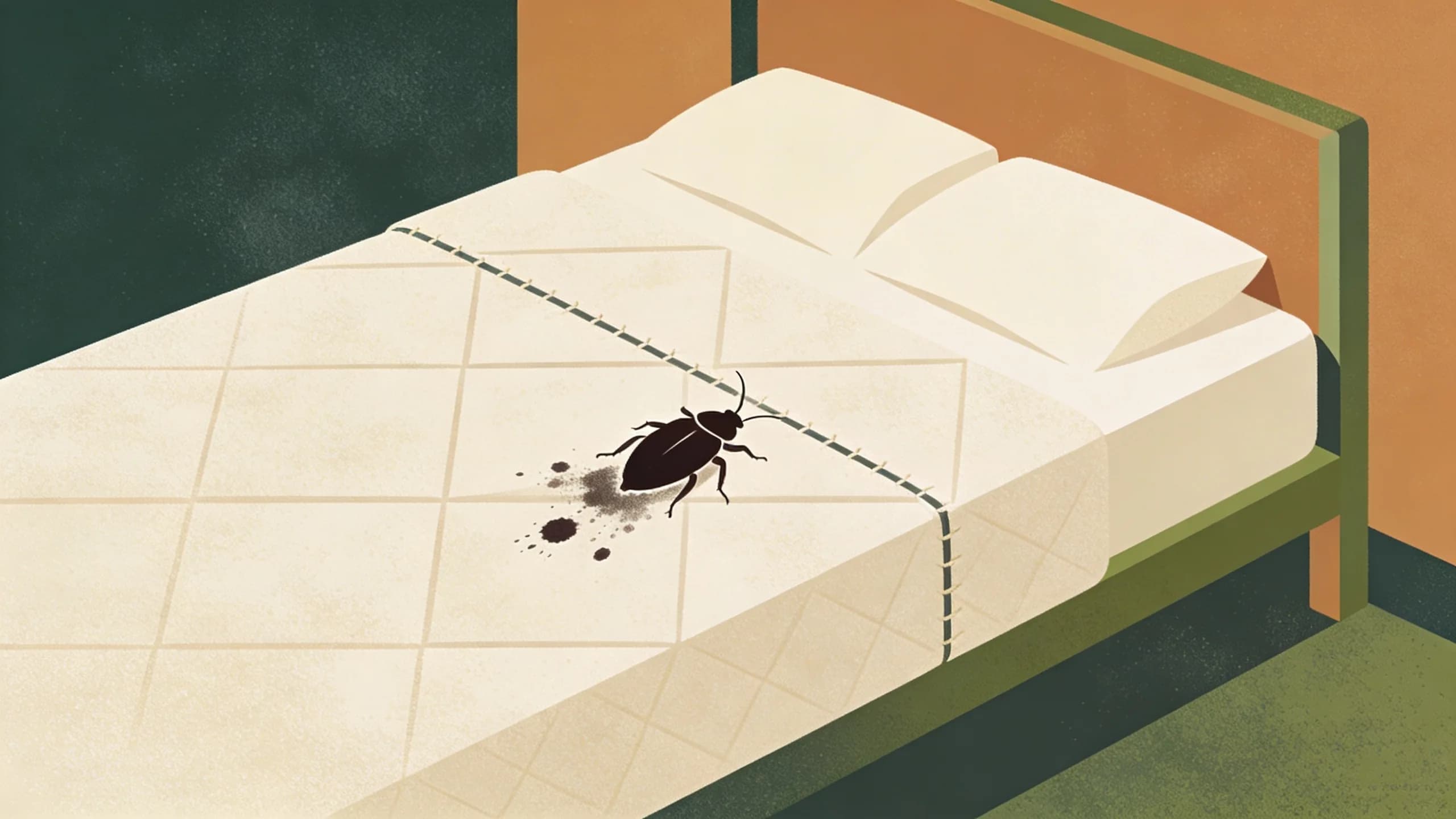
The signs of an infestation extend beyond the insects themselves. Dark, ink-like stains on mattresses or bedding indicate bed bug excretions. Shed skins and tiny reddish-brown bugs near sleeping areas provide additional confirmation. These pests feed at night and conceal themselves during daylight hours, typically hiding in mattress seams, headboard crevices and nearby furniture.
How Bed Bugs Travel
Unlike lice or ticks, bed bugs do not cling to human bodies. Instead, they exploit the places where people remain stationary for extended periods. Mattresses, recliners and upholstered seating offer ideal harborage. From these locations, they crawl into personal belongings and hitchhike to new destinations.
Travel, particularly hotel stays, represents the most common vector for bringing bed bugs home. The insects can survive for weeks to months without feeding, depending on temperature conditions, which allows them to persist in vacant rooms and transportation vehicles.
Prevention Strategies That Work
Puckett emphasizes a simple but effective habit for hotel arrivals: keep luggage off the floor. Bed bugs struggle to navigate smooth vertical surfaces, making elevated luggage racks and bathtubs effective temporary storage locations while inspecting accommodations.
Before settling into a hotel room, pull back bed coverings and examine the seams and rolled edges of mattresses. Look for the characteristic dark fecal spots that indicate bed bug presence. If evidence appears, request a different room or relocate to another property entirely.
Key inspection points include:
- Mattress seams and tags where insects cluster for protection
- Headboards and bed frames, particularly cracks and joints
- Upholstered furniture near sleeping areas
- Luggage racks themselves, which can harbor stowaways from previous guests
When Professional Help Becomes Necessary
Homeowners who discover bed bugs should contact a licensed pest management professional rather than attempting do-it-yourself treatment. Many bed bug populations have developed resistance to common insecticides available to consumers. This resistance means that DIY efforts often waste time and money while exposing households to unnecessary chemical applications.
"Bed bug management can be very difficult, and products for doing so can be quite expensive," Puckett noted. "It's probably cheaper in the long run to hire a pest management company."
For those in multi-unit housing such as apartments or dormitories, monitoring devices offer an early warning system. Pheromone-based traps that utilize bed bug aggregation pheromones can detect presence before infestations establish themselves. Given how easily bed bugs move between adjacent units in shared buildings, proactive monitoring provides valuable peace of mind.
The message from Texas A&M AgriLife remains straightforward: awareness and simple preventive habits offer the best protection against bringing these persistent pests home from your next trip.
Sources
Texas Bug Slayers Editorial Team
Editorial Board
The Texas Bug Slayers editorial team brings together licensed pest control professionals, entomologists, and writers dedicated to helping Texans protect their homes and families from pests.
Related Articles
Don't Let Bed Bugs Ruin Your Summer Vacation: Texas Expert Shares Travel Tips
Texas A&M AgriLife Extension entomologist Dr. Robert Puckett offers practical advice for spotting and avoiding bed bugs during hotel stays.
Bed Bug Awareness Week: How Texas Travelers Can Avoid Hitchhiking Pests This Summer
As Memorial Day kicks off travel season, pest control experts warn Texans about peak bed bug activity and share proven strategies to prevent bringing these hitchhiking pests home.

Houston Cracks Terminix's Rodent Top Five, With Dallas-Fort Worth Not Far Behind
Terminix's fall ranking of America's worst cities for rodents puts Houston at No. 5 and Dallas-Fort Worth at No. 9, just as cooling weather starts pushing rats and mice indoors across Texas.