
Formosan Termite Swarm Season Arrives Early Across the Gulf South
The first swarms appeared sooner than many property managers expected this year. As Gulf Coast temperatures climbed and humidity settled into the persistent range that defines late spring, Formosan termites began their annual reproductive flights—sending thousands of winged alates into the evening air across Louisiana, Texas, and neighboring states.
"We're entering the peak season right now, which is swarm season for Formosan termites," noted Derek Felice of Fox Pest Control, describing a pattern that plays out similarly from Lafayette to Houston to Corpus Christi. The timing varies slightly by microclimate, but the underlying trigger remains consistent: sustained warmth combined with moisture creates the atmospheric conditions that prompt mature colonies to release their reproductive castes.
The numbers behind Formosan termite infestations are difficult to fully comprehend. The Environmental Protection Agency estimates that Americans spend approximately $2 billion annually repairing damage caused by these insects. Orkin Pest Control data suggests that termites affect nearly 600,000 homes each year. What distinguishes Formosan termites from their native subterranean cousins is the scale and speed of destruction—these are the "super termites" that can compromise structural integrity faster than homeowners often realize.
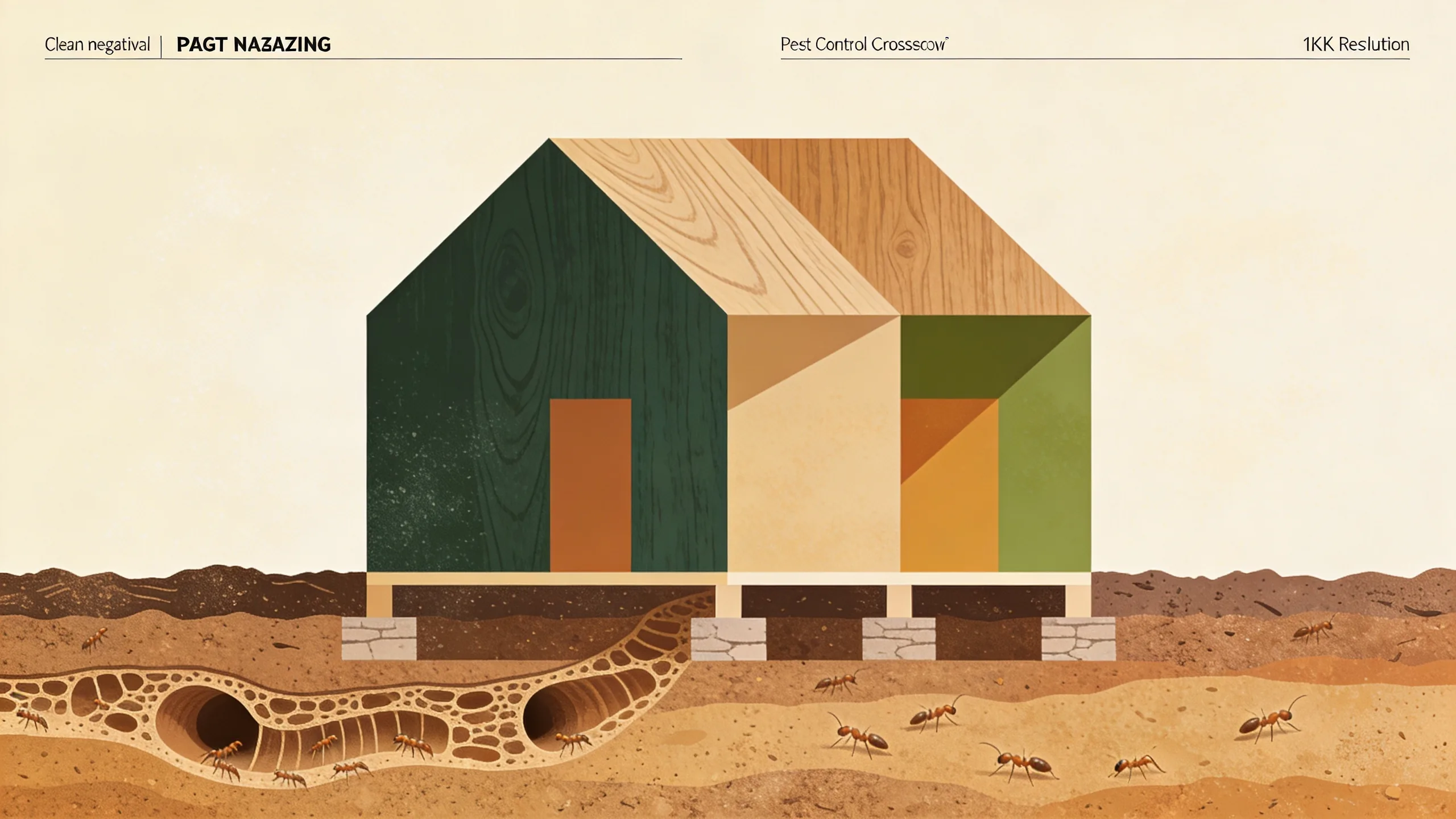
The mechanism of damage is deceptively simple. Worker termites consume cellulose, the primary structural component of wood, leaving behind a honeycombed lattice that appears solid from the outside but crumbles under pressure. By the time residents notice swarming indoors or discover mud tubes along foundation walls, colonies may have been active for months or years, excavating galleries through floor joists, wall studs, and support beams.
Texas presents particularly favorable conditions for Formosan termite establishment. The state's humidity gradient increases from west to east, with the Gulf Coast and eastern regions offering the moisture profiles these insects prefer. Urban heat islands in Houston, Dallas-Fort Worth, and San Antonio create microclimates that extend the active season. And the sheer volume of wooden construction—residential, commercial, and infrastructural—provides abundant forage.
Prevention strategies center on moisture management and physical barriers. Leaking outdoor faucets create saturated soil that attracts foraging workers. Mulch piled against foundation slabs offers both food source and concealed access point. Poor drainage around structures maintains the damp conditions that colonies require. Addressing these vulnerabilities is often more cost-effective than treating active infestations.
For properties in high-risk zones, professional baiting systems represent the current standard of preventive care. These installations place monitoring stations at regular intervals around building perimeters—typically every ten feet—containing cellulose material that attracts foraging termites. When activity is detected, the bait matrix can be replaced with formulations that eliminate colonies through delayed-action toxins carried back to nest sites by worker termites.
The swarming events that mark spring are actually a sign of colony maturity rather than new establishment. A swarm indicates that a colony has reached sufficient size—often hundreds of thousands of individuals—to invest resources in reproduction. Each alate that takes flight represents a potential new colony if it finds a mate and suitable nesting site. The density of swarms in a neighborhood correlates with the underlying population of mature colonies, making visible swarms a useful indicator of regional pressure.
Texas A&M AgriLife Extension maintains extensive resources for homeowners seeking to understand termite risk in their specific counties. Their recommendations emphasize annual inspections by licensed pest control operators, particularly for structures more than five years old or those with histories of moisture problems. Early detection through professional inspection typically costs a fraction of the structural repairs required when infestations progress undetected.
As climate patterns shift and humidity levels remain elevated across the Gulf South, Formosan termite pressure is unlikely to diminish. The insects have established permanent footholds throughout the region, and their biology—rapid reproduction, aggressive foraging, and substantial colony sizes—makes eradication impractical. The realistic goal is management: reducing damage through vigilance, preventive treatment, and rapid response when infestations are discovered.
For Texas homeowners, the appearance of swarming termites should prompt immediate contact with a licensed pest control professional rather than DIY interventions. Proper identification of termite species, assessment of infestation extent, and selection of appropriate treatment protocols require expertise that protects both property value and structural safety.
Sources
Texas Bug Slayers Editorial Team
Editorial Board
The Texas Bug Slayers editorial team brings together licensed pest control professionals, entomologists, and writers dedicated to helping Texans protect their homes and families from pests.
Related Articles

Texas Termite Swarm Season: What Homeowners Need to Know in 2026
Spring termite swarms are peaking across Texas. Learn how to identify winged termites, protect your property, and when to call a professional.
Fall Ant Season Arrives in Southeast Texas as Fire Ants and Tawny Crazy Ants Reappear
Cooler nights and September rain have Southeast Texas yards showing ant mounds and trails again. The colonies never left — and fall is when treating them pays off.
Lovebugs Swarm Houston in Late Summer Surge, Testing Patience and Paint
Houston drivers and homeowners face an unwelcome seasonal visitor as lovebugs swarm the region in higher-than-usual numbers this August.