
Hammerhead Worms Surface Across Texas: The Invasive Pest That Regenerates When Cut
The spring rains that soaked East Texas and the Texoma region over the past week brought more than just relief from drought. They triggered the emergence of an unusual and troubling visitor: the hammerhead worm, an invasive flatworm that poses a growing threat to local gardens, soil health, and even pet safety.
For the running case count and the affected-county map, follow our Texas screwworm tracker.
Reports have surfaced from Tyler to Denison, with homeowners spotting these peculiar creatures slithering across patios, garden beds, and walking trails. Named for the distinctive spade-shaped head that resembles a hammerhead shark, these worms are not your average backyard invertebrate. They measure anywhere from 10 to 15 inches long, with pale bodies marked by a dark longitudinal stripe. But their odd appearance is the least concerning thing about them.
Why Hammerhead Worms Are a Problem
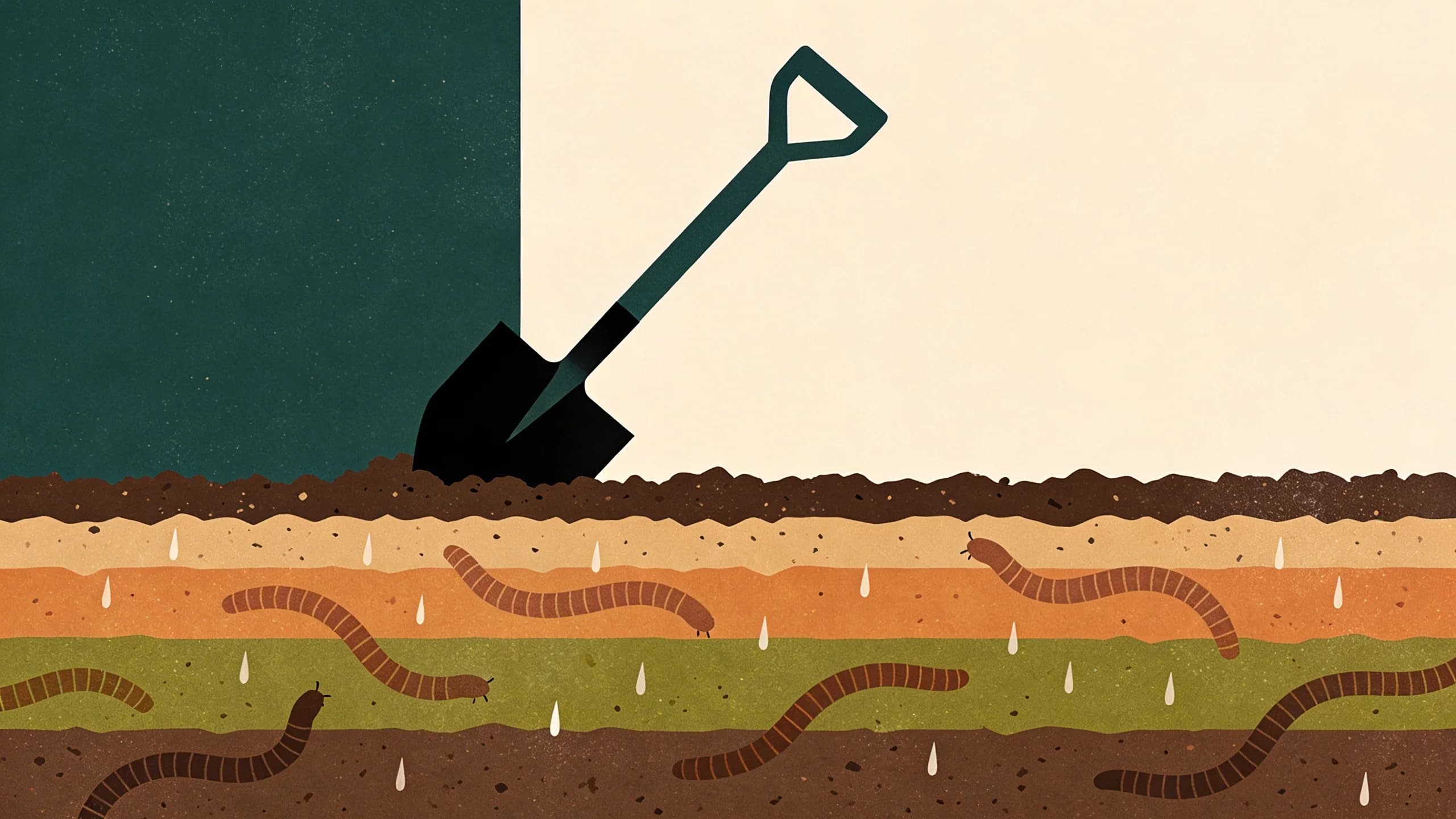
Dr. Chad Cummings, an expert with the Texas A&M AgriLife Extension, explains that the danger lies in what these worms eat and how they reproduce. "This particular flatworm causes lots of environmental damage," Cummings notes. "They end up eating a lot of the good stuff that makes our soil healthy."
Their diet consists of earthworms, slugs, snails, and other beneficial soil organisms. Earthworms, in particular, play a critical role as natural soil aerators and decomposers. When hammerhead worms decimate earthworm populations, soil quality deteriorates, plant growth suffers, and the entire garden ecosystem destabilizes. Unlike native predators, hammerhead worms have few natural enemies in Texas, allowing their populations to expand largely unchecked.
The Regeneration Problem
Perhaps the most unsettling characteristic of hammerhead worms is their ability to regenerate. Cut one in half, and you won't kill it—you'll simply create two worms. The same applies to squishing or chopping. Any segment left in the soil can develop a new head and body, becoming a fully functional worm within weeks.
"If you try to chop it or squish it, any small segment that is still in the soil gets to be a new worm," Cummings warns. "It grows a head, it grows all of the body, and it becomes a new worm."
This biological quirk makes conventional pest control methods not just ineffective but counterproductive. Where there was one hammerhead worm, poor handling can quickly create several.
Health Risks to Humans and Pets
Beyond their environmental impact, hammerhead worms present direct health concerns. Their soft bodies secrete a potent toxin through their skin—a defense mechanism against predators. Touching a hammerhead worm with bare hands can cause skin irritation, rashes, or allergic reactions in sensitive individuals.
Pets face even greater risks. Dogs and cats that encounter and consume these worms may become seriously ill from the toxins. The Texas Invasive Species Institute at Sam Houston State University advises keeping pets away from areas where hammerhead worms have been spotted and monitoring outdoor animals for signs of distress after yard time.
How to Safely Eliminate Hammerhead Worms
If you spot a hammerhead worm on your property, proper disposal is essential. The recommended method involves:
-
Wear gloves — Never handle these worms with bare hands due to their toxic secretions.
-
Contain carefully — Place the worm in a sealed plastic bag or container using gloved hands or tongs.
-
Apply a desiccant — Pour salt, rubbing alcohol, vinegar, or citrus oil into the container. These substances break down the worm's cellular structure and prevent regeneration.
-
Freeze for confirmation — After applying salt or alcohol, freeze the sealed container for at least 48 hours as an additional precaution.
Freezing or burning alone, however, proves less reliable. "Those are not real good ways to kill this particular worm since it is so resilient to damage," Cummings explains.
Reporting Sightings
Scientists tracking the spread of hammerhead worms across Texas rely on public reports to map infestations. If you encounter one of these invasive flatworms, you can contribute to research efforts by reporting your sighting to the Texas Invasive Species Institute at invasives@shsu.edu. Include a clear photograph and the specific location where the worm was found. Alternatively, contact your local Texas A&M AgriLife Extension office for guidance.
The Bigger Picture
Hammerhead worms represent just one front in Texas's ongoing battle against invasive species. From red imported fire ants to the approaching New World screwworm threat at the southern border, the state faces constant ecological pressure from organisms that disrupt native ecosystems and agricultural systems alike.
"Invasive species are a major problem and they cost the U.S. a lot of money and a lot of time," Cummings emphasizes. "Anything that we can do to stop the spread of invasive species is highly recommended."
As spring progresses and rains continue to saturate Texas soil, hammerhead worm activity will likely increase. Homeowners should remain vigilant, checking gardens and outdoor spaces after wet weather. With proper identification and careful handling, Texans can help contain this unusual invader before it establishes a stronger foothold in the region.
Sources
Texas Bug Slayers Editorial Team
Editorial Board
The Texas Bug Slayers editorial team brings together licensed pest control professionals, entomologists, and writers dedicated to helping Texans protect their homes and families from pests.
Related Articles

Emerald Ash Borer Spreads Into Texas, Threatening Urban Tree Canopies
The invasive Emerald Ash Borer beetle, responsible for killing hundreds of millions of ash trees across North America, is now spreading into Texas including the Dallas-Fort Worth metro area.
Lovebugs Swarm Houston in Late Summer Surge, Testing Patience and Paint
Houston drivers and homeowners face an unwelcome seasonal visitor as lovebugs swarm the region in higher-than-usual numbers this August.
Formosan Termite Swarm Season Arrives Early Across the Gulf South
Warm temperatures and rising humidity trigger early Formosan termite swarming season. Texas homeowners face heightened risk from the 'super termite' that causes billions in annual damage.