
Texas Drew Three New Screwworm Zones in Four Days, Then Released Part of a Fourth
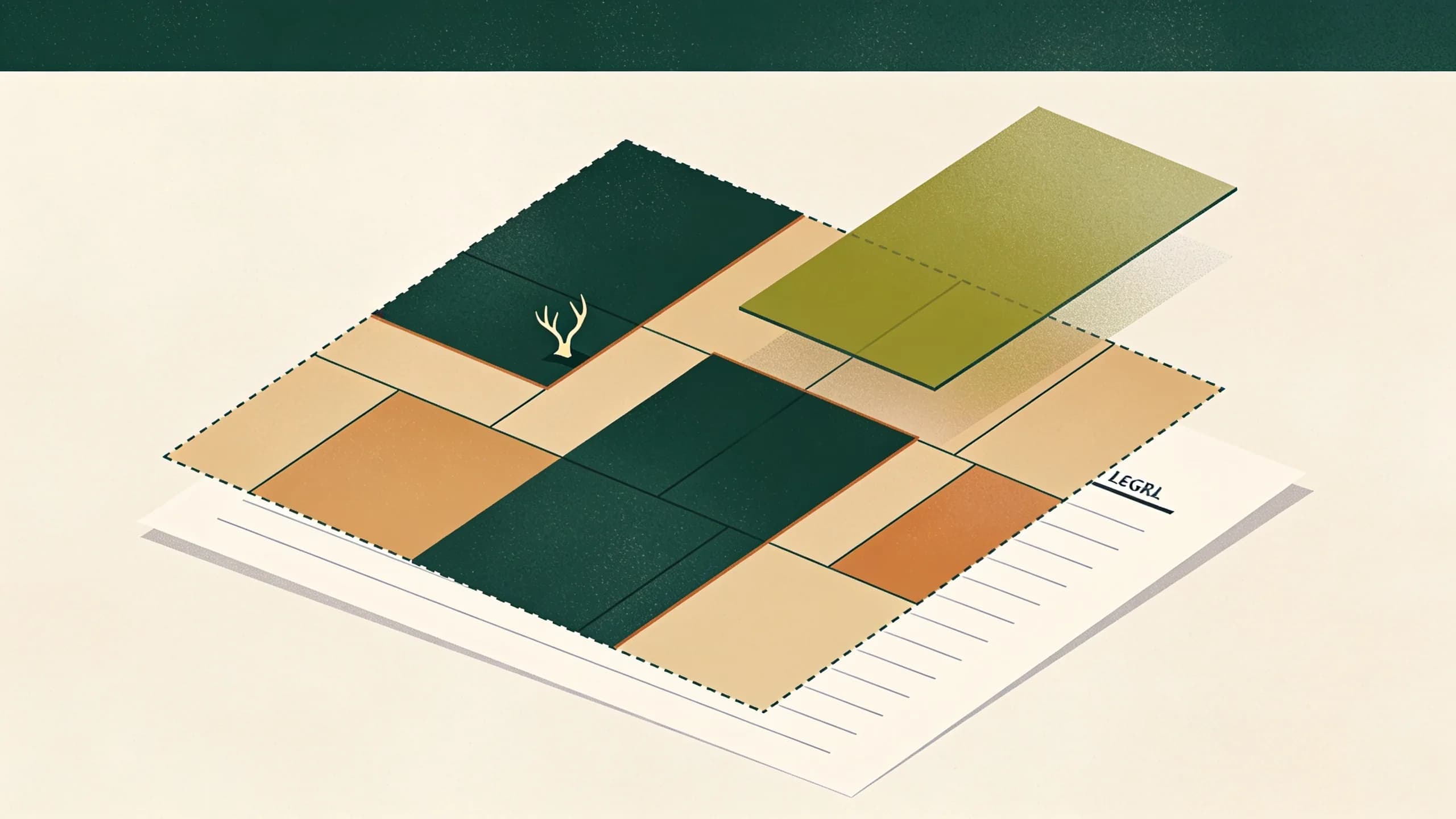
The Texas Animal Health Commission spent the week redrawing its quarantine map faster than at any point since the outbreak began, and the paperwork reads like a state working through a checklist: a detection, a signed order, a new zone number, then the same sequence again the next morning.
Four orders in four days, each one signed by Executive Director Lewis R. Dinges. Three of them created new infested zones. The fourth took one away, in part.
The week opened with cattle. A bovine in Jeff Davis County tested positive on Oct. 20, and the order that followed carved out Infested Zone 23 across parts of Brewster, Jeff Davis, Pecos and Reeves counties — the second detection in that corner of the Trans-Pecos in a week, after a Pecos County cattle case on Oct. 10 that had already put a smaller area under restriction.
Then came the elk. The hunter-harvested female taken in Pecos County was confirmed on Oct. 21 at the federal laboratory in Kerrville, the first New World screwworm detection in American wildlife in the current outbreak, and by that afternoon the commission had replaced its Aug. 5 order for that ground with a new designation: Infested Zone 08.B, covering parts of Pecos and Terrell counties. The numbering tells its own history. A goat in Terrell County on June 22 created Zone 08. A sheep in the same county on Aug. 5 moved it to 08.A. The elk moved it to 08.B, which is what happens when a quarantined area has to absorb a detection that none of the earlier boundaries anticipated.
The third order arrived the next day, for Val Verde County. A bovine there was confirmed positive on Oct. 21, and the Oct. 22 order designated Infested Zone 24 — a county that has now cycled through the map more than once this year, having recorded Texas's first Val Verde case in mid-August and been named in a modified-and-release order as recently as Oct. 13.
Friday's order went the other way. Zones are released when the surveillance behind them holds up, and the commission's own language spells out what that means: fly trapping and monitoring data, an evaluation of sterile fly dispersal, visual inspection of susceptible animals for myiasis, and no detections inside the area during the surveillance period. On that basis, parts of Infested Zone 12.A in Crockett, Pecos and Terrell counties came off quarantine. The commission did not clear the whole thing — the remaining ground stays restricted as Infested Zone 12.B, and the order says why: new detections nearby, in Zones 08.B and 07.D, are close enough to argue against a full release.
For anyone running cattle, goats, sheep or exotics in that country, the mechanics have not changed. Warm-blooded animals cannot leave a mapped zone without prior authorization from the commission, and an authorized move requires an inspection, a treatment, and a movement-and-treatment certificate naming the product used and the animals' official identification. Hides, carcasses and host-animal parts need inspection before they leave, too. Unauthorized movement is spelled out as an administrative and criminal matter in every order.
The county list on the commission's notice page, current as of Oct. 24, names twelve: Brewster, Crockett, Edwards, Jeff Davis, Pecos, Presidio, Schleicher, Starr, Sutton, Terrell, Val Verde and Zapata. Reeves is not among them, even though the commission's own Oct. 20 order for Zone 23 names areas of Reeves County and that order remains on the active list. It is a records mismatch rather than a policy change as far as anything published shows, and it is a reminder that the county line in a headline is not the same thing as the boundary on the map. Landowners have been told all year to check the map and the signed order, not the list of county names.
Federal counting runs alongside the state's. The U.S. Department of Agriculture put the outbreak at 61 animal cases since June as of Oct. 22, a figure Texas Public Radio reported alongside the new detections in New Mexico's Otero and Hidalgo counties. A wild screwworm fly caught in a Brewster County surveillance trap on Sept. 25 is tracked separately from that number, as fly-trap finds are not animal cases.
What the four orders show together is a response that has stopped treating the map as a fixed thing. Zones are now created, expanded, trimmed and partially released within days of each other, and the commission's release criteria — trapping data, sterile fly performance, inspections — are the same evidence that will decide the next one. Hunters in the Trans-Pecos are the newest variable in that arithmetic, which is why the state's guidance to inspect a harvested animal before field dressing it now sits next to the guidance for moving a trailer of calves.
Sources
- Texas Animal Health Commission — New World Screwworm: current executive director orders and county notice
- TAHC — Executive Director Order, Val Verde County (Infested Zone 24), signed Oct. 22, 2026
- TAHC — Second Modified Executive Director Order, Pecos and Terrell counties (Infested Zone 08.B), signed Oct. 21, 2026
- TAHC — Executive Director Order, Brewster, Jeff Davis, Pecos and Reeves counties (Infested Zone 23), Oct. 2026
- TAHC — Modified and Release Executive Director Order, Crockett, Pecos and Terrell counties (Infested Zone 12.B), signed Oct. 23, 2026
- Texas Public Radio — Screwworm cases reach 61, including first wildlife detection in Texas
Texas Bug Slayers Editorial Team
Editorial Board
The Texas Bug Slayers editorial team brings together licensed pest control professionals, entomologists, and writers dedicated to helping Texans protect their homes and families from pests.
Related Articles
A Mated Fruit Fly in a Backyard Mango Tree Puts 19 Square Miles of Port Isabel Under Quarantine
A single mated West Indian fruit fly in a Port Isabel mango tree was enough for a 19.19-square-mile quarantine. Texas acted Aug. 21, APHIS on Oct. 7.
The Third Cattle Port Reopens Oct. 26, and New Mexico's Infested Zones Will Be Eleven Days Old
USDA set Oct. 26 for the Columbus, N.M. crossing, four days after a calf and a horse in Grant County tested positive for screwworm.
Colorado Now Wants Five-Day-Old Paperwork From Livestock Coming Out of Texas
Colorado's updated screwworm emergency rule adds pre-movement inspections, permits and treatments for animals arriving from Texas and New Mexico infested zones.