
U.S. to Resume Mexican Cattle Imports After Screwworm Shutdown, Texas Ports Remain Closed
U.S. to Resume Mexican Cattle Imports After Screwworm Shutdown, Texas Ports Remain Closed
Our live Texas screwworm case tracker keeps the running count and county map as USDA updates land.
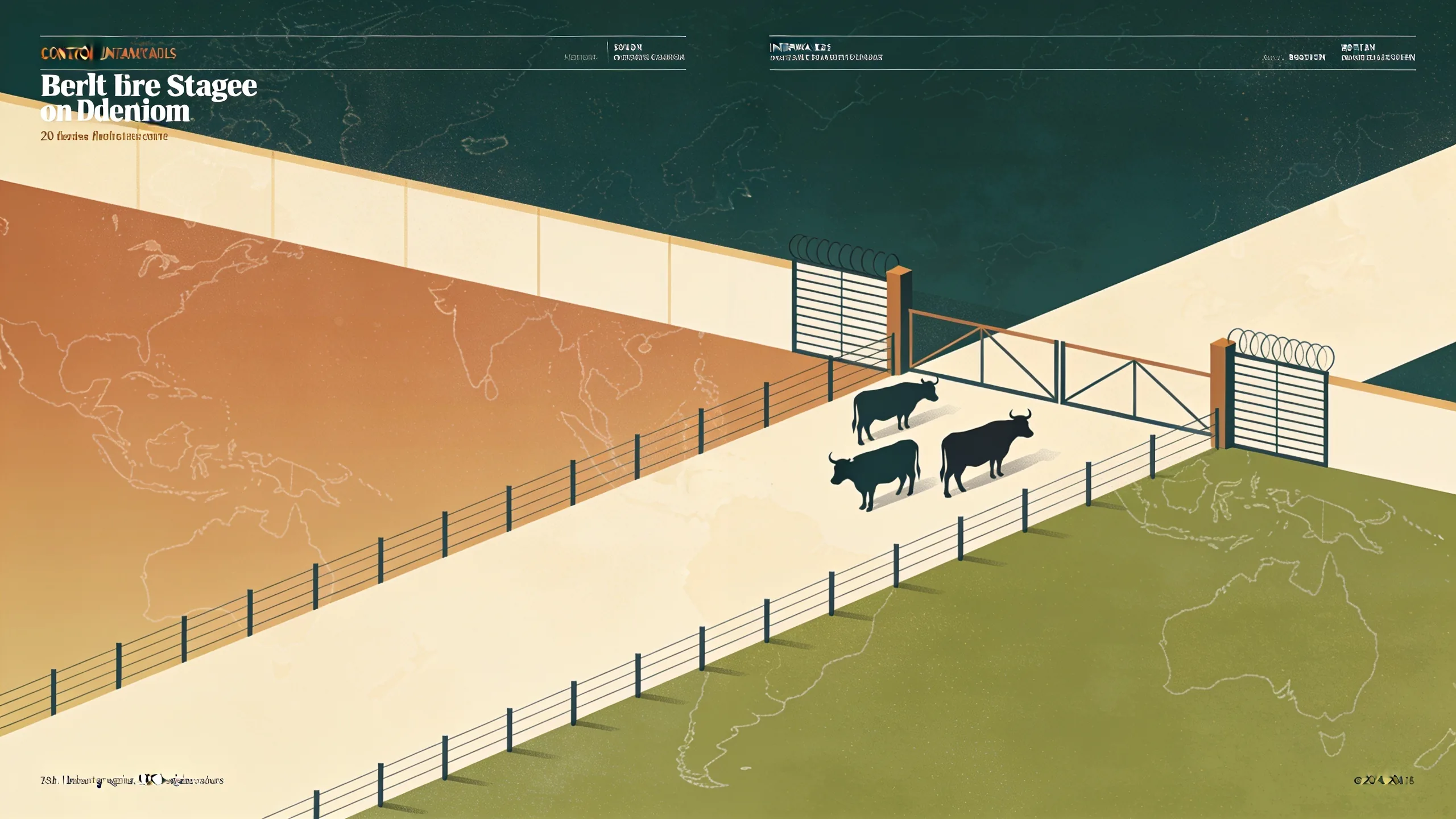
The U.S. Department of Agriculture announced Friday that limited imports of Mexican cattle will resume next month, marking a significant shift in the federal response to the ongoing New World screwworm outbreak. The phased reopening, set to begin August 24 at the Douglas, Arizona port of entry, comes nearly three months after the USDA closed all southern cattle ports in May to prevent the parasite's spread.
A Measured Return to Trade
U.S. Secretary of Agriculture Brooke Rollins characterized the decision as a "coordinated reopening" that will proceed in phases. The move reflects what officials describe as progress in containing the outbreak that has now reached 42 confirmed cases across 16 Texas counties and one New Mexico county.
Texas Agriculture Commissioner Sid Miller praised the decision while acknowledging the complexity of the situation. The prolonged closure had created significant pressure on the U.S. cattle industry, which relies heavily on Mexican imports for breeding stock and feeder cattle. Texas, which shares the longest border with Mexico and has borne the brunt of the screwworm cases, will not see its ports reopen in this initial phase.
The Numbers Behind the Decision
The statistics reveal both the scale of the outbreak and the progress being made. Of the 42 confirmed U.S. cases, 41 have been reported in Texas. The breakdown includes 21 cattle, 13 sheep, 5 goats, and 3 dogs. Most critically, officials note that active cases have declined significantly—from 42 to just 10—as containment efforts take effect.
The USDA's five-prong response strategy has included monthly audits of Mexico's NWS response, support for hiring over 500 surge staff for trapping and animal movement control south of the border, and the deployment of more than 100 NWS-specific traps and over 8,000 insect traps across Texas, Arizona, New Mexico, and California.
Drone Surveillance and Sterile Flies
Since June 3, 2026, USDA has conducted over 1,000 drone surveillance flights in Texas, observing more than 20,000 animals. Trail cameras have monitored nearly 17,000 additional animals. The agency has also released millions of sterile flies along the border—the proven eradication technique that eliminated screwworm from the United States decades ago.
Texas A&M AgriLife has partnered with USDA to test electron-beam sterilization technology as an alternative to traditional cobalt-60 gamma irradiation. Results from these trials are expected before the end of 2026 and could revolutionize sterile insect technique programs worldwide.
What This Means for Texas
For Texas ranchers, the news is mixed. The reopening of Arizona ports provides a pathway for Mexican cattle to enter the U.S. market, potentially easing supply pressures. However, Texas ports—critical for the state's massive cattle industry—remain closed. The state's 16 affected counties continue under quarantine restrictions that limit livestock movement.
The situation underscores the delicate balance between trade and biosecurity. Screwworm, a parasite that feeds on living tissue, can devastate livestock populations if left unchecked. The last U.S. outbreak was eradicated in 1966 through an aggressive campaign of sterile fly releases. Today's response draws on that legacy while incorporating modern technology and international cooperation.
Looking Forward
As the August 24 reopening date approaches, both U.S. and Mexican officials continue intensive surveillance and control efforts. The USDA has emphasized that the phased approach allows for rapid response if conditions change. For now, the decline in active cases offers a cautious reason for optimism—even as Texas remains on the front lines of a battle that is far from over.
Sources
Texas Bug Slayers Editorial Team
Editorial Board
The Texas Bug Slayers editorial team brings together licensed pest control professionals, entomologists, and writers dedicated to helping Texans protect their homes and families from pests.
Related Articles

USDA Unveils Quarterly Review Roadmap for Screwworm Response Playbook
USDA APHIS shares comprehensive roadmap for quarterly reviews of New World Screwworm Response Playbook as parasite cases reach 45 infestations across Texas and New Mexico.
Screwworm Count Reaches 44 as Brewster County Adds Two More Cases and the Infested Zone Extends Into Presidio
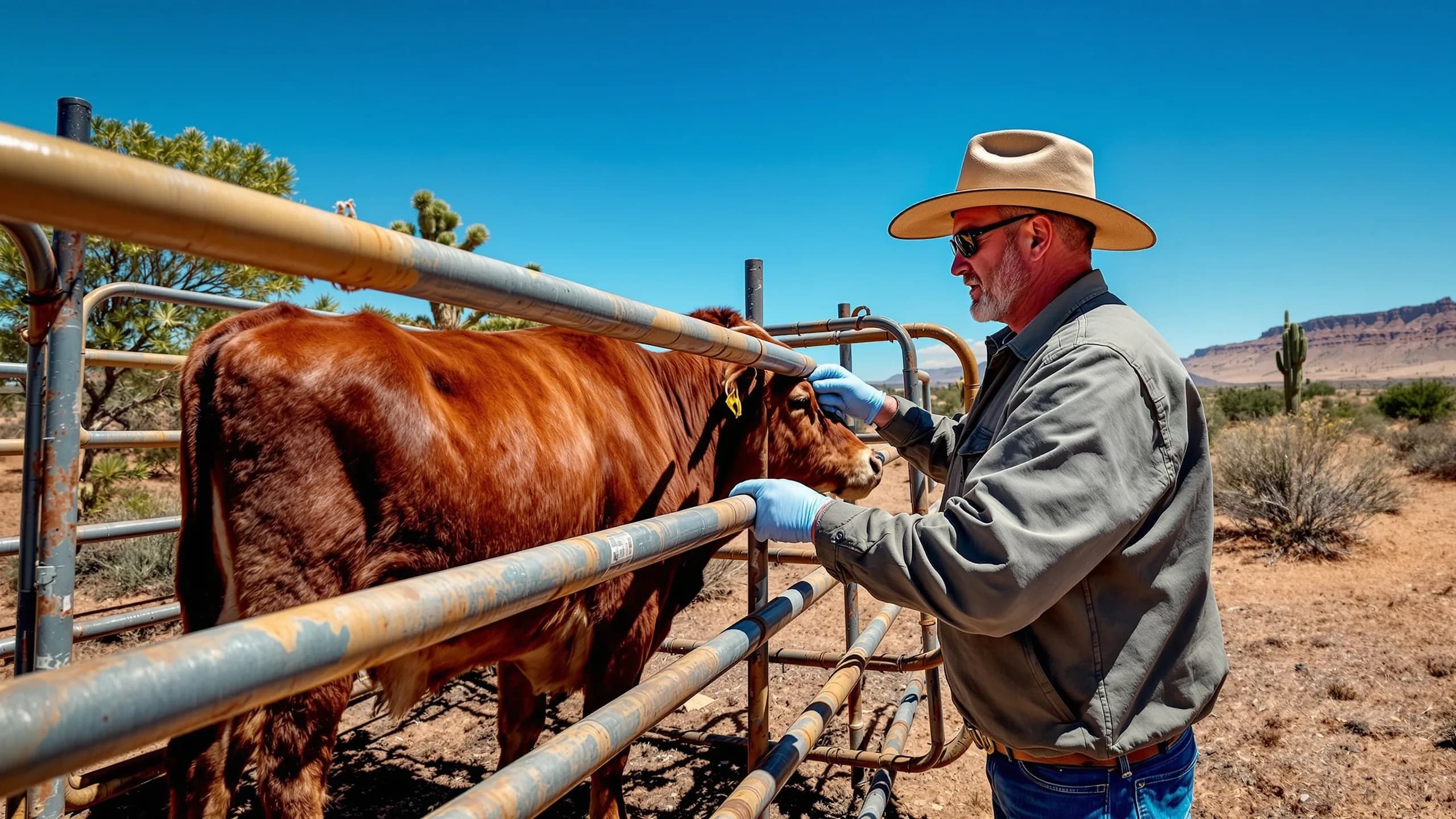
USDA's dashboard now lists 44 confirmed New World screwworm cases — 43 in Texas — after two cattle cases in Brewster County and a sheep in Pecos County closed out July. TAHC has extended the infested zone into Presidio County, bringing movement restrictions to parts of 23 counties.
Screwworm Count Reaches 42 as Three More Texas Counties Join the Case Map and Pet Transport Rules Tighten
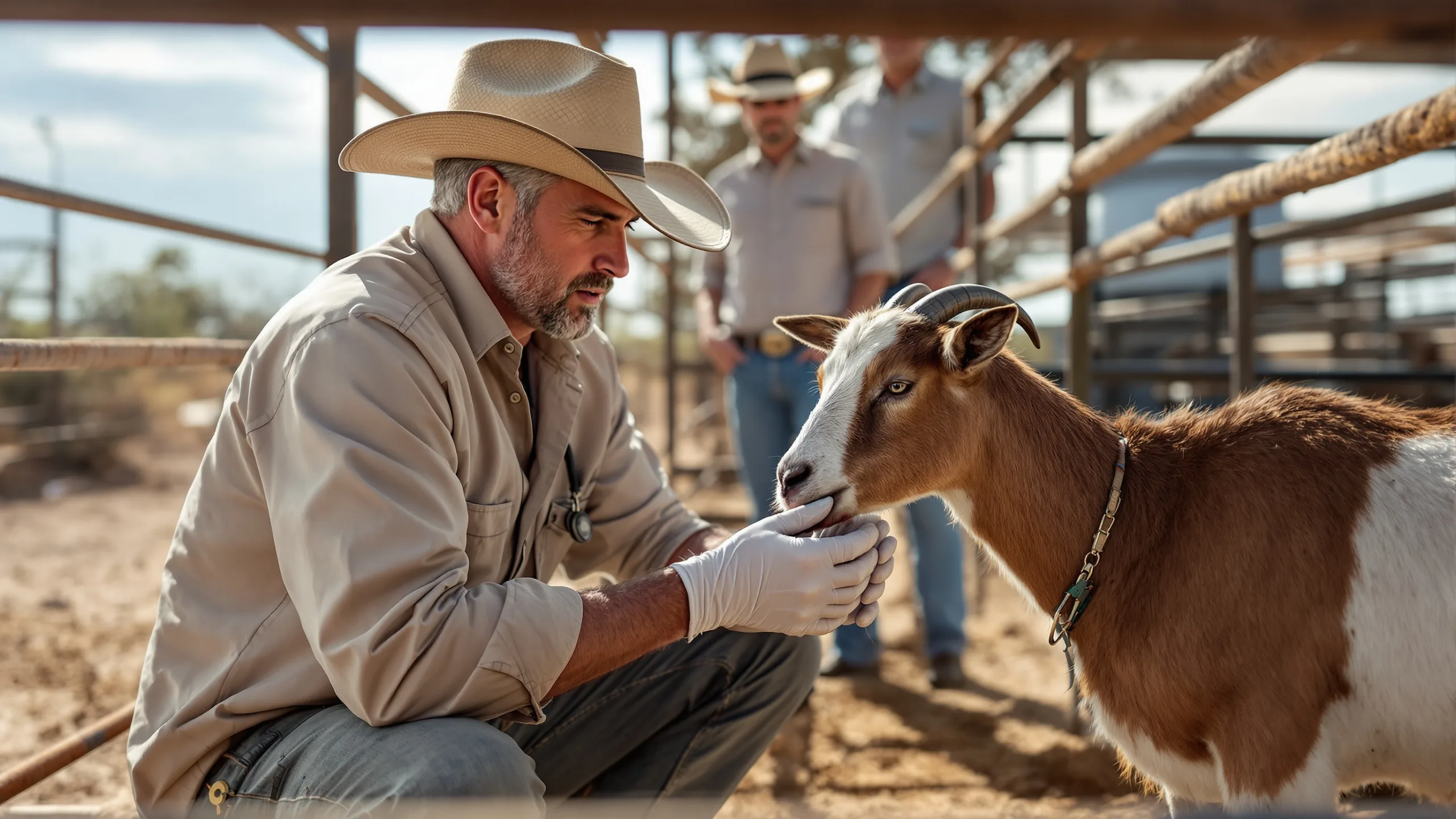
USDA's dashboard now lists 42 confirmed New World screwworm cases — 41 in Texas — after goats tested positive in Sutton County on July 21. Jim Hogg, Pecos and Uvalde counties also carry confirmed cases, and interstate pet transport rules are squeezing Texas shelters.