

Screwworm Cases Reach 42 as New Sutton County Detection Highlights Persistent Southwest Texas Cluster
A July 21 detection of New World screwworm in goats has pushed the U.S. case tally to 42, according to USDA's Animal and Plant Health Inspection Service. The new case in Sutton County, Texas, arrives as the outbreak reveals a distinct geographic pattern: while June's initial wave has largely resolved, July's cases are concentrating in a tight cluster across the Edwards Plateau and Trans-Pecos regions.
For the running case count and the affected-county map, follow our Texas screwworm tracker.
The numbers tell a story of two different outbreaks occurring sequentially in the same general theater. Of the 42 total confirmed cases, 31 were detected in June and 11 in July through the 21st. Every June case is now listed as inactive—meaning infested wounds have been treated and closed. But 10 of July's 11 cases remain active, creating a persistent pocket of infestation that has officials focused on a four-county area in southwest Texas.
The Geography of Persistence
Sutton County illustrates the outbreak's evolving character better than any other location. The county has now recorded three cases spanning both months: a June 12 detection in sheep that has since gone inactive, followed by active cases on July 13 in a dog and July 21 in goats. This pattern—appearance, resolution, then reappearance—suggests the parasite is finding conditions in the Edwards Plateau conducive to sustained transmission.
The active case cluster sits in ranch country: Sutton, Crockett, Pecos, and Brewster counties, plus a single outlier in Starr County on the South Texas border. These are extensive cow-calf, sheep, and goat operations spread across large, lightly fenced pastures—the precise landscape where a wound-seeking parasite can move from animal to animal before detection.
The involvement of a dog alongside livestock in Sutton County serves as a reminder that New World screwworm is not selective about hosts. Any warm-blooded animal with an open wound can become infested, making the parasite a threat to pets, wildlife, and production animals alike.
What the Numbers Mean
The distinction between active and inactive cases matters significantly for understanding outbreak dynamics. A case counts as active until the wound fully resolves; inactive status confirms only that a specific animal's infestation has closed, not that the threat has passed from the region. This is why a rising cumulative count can coexist with progress—June's resolution—while new cases keep the overall threat level elevated.
Two negatives in the surveillance data offer cautious optimism. First, there are still no confirmed cases in wildlife or feral animals. This matters enormously: the nightmare scenario for eradication involves the parasite establishing itself in free-ranging populations such as deer or feral swine, where individual treatment is impossible and the parasite could sustain itself indefinitely. As long as detections remain in owned, observable livestock and pets, responders can physically reach and close out infestations.
Second, the fly-trapping network has detected no New World screwworm flies. Trap catches would signal free-flying adult populations establishing on U.S. soil rather than isolated infestations arriving on individual animals. Their continued absence suggests the July cluster, while persistent, does not yet represent a self-sustaining fly population taking hold in the Edwards Plateau.
The Sterile Fly Buffer
Behind the case numbers sits a massive federal containment effort. As the parasite has pushed north through Central America and Mexico over the past two years, APHIS has deployed the sterile insect technique—the same biological approach that eradicated screwworm from the United States by the 1960s. USDA disperses approximately 100 million sterile flies weekly, maintaining a buffer roughly 50 miles into Texas near the Tamaulipas border.
The technique works by overwhelming wild populations with sterile males. Female screwworm flies mate only once; when they mate with sterile males, their eggs never hatch. Saturated releases collapse wild populations over time. Sterile pupae are dyed so released flies fluoresce under UV light, allowing inspectors to distinguish program flies from wild ones in trap lines.
Against this backdrop, the July cluster reads as exactly the kind of incursion the border strategy is designed to catch and contain: real, requiring serious response, but so far confined to treatable domestic animals well inside the surveillance envelope rather than a breakout of wild, self-sustaining flies.
The Outlook
The figure to watch is not the cumulative 42, but whether July's active cluster resolves the way June's did—or whether new detections continue outrunning close-outs. The concentrated geography of active cases simplifies response efforts compared to a dispersed outbreak, but it also means the parasite has found favorable conditions in a specific ecological niche.
For livestock producers in the affected counties, the message remains unchanged: inspect animals regularly for wounds, report suspected infestations immediately, and maintain the vigilance that has kept this parasite from establishing a permanent foothold in Texas since its unexpected return in June.
Sources
Texas Bug Slayers Editorial Team
Editorial Board
The Texas Bug Slayers editorial team brings together licensed pest control professionals, entomologists, and writers dedicated to helping Texans protect their homes and families from pests.
Related Articles

USDA Unveils Quarterly Review Roadmap for Screwworm Response Playbook
USDA APHIS shares comprehensive roadmap for quarterly reviews of New World Screwworm Response Playbook as parasite cases reach 45 infestations across Texas and New Mexico.
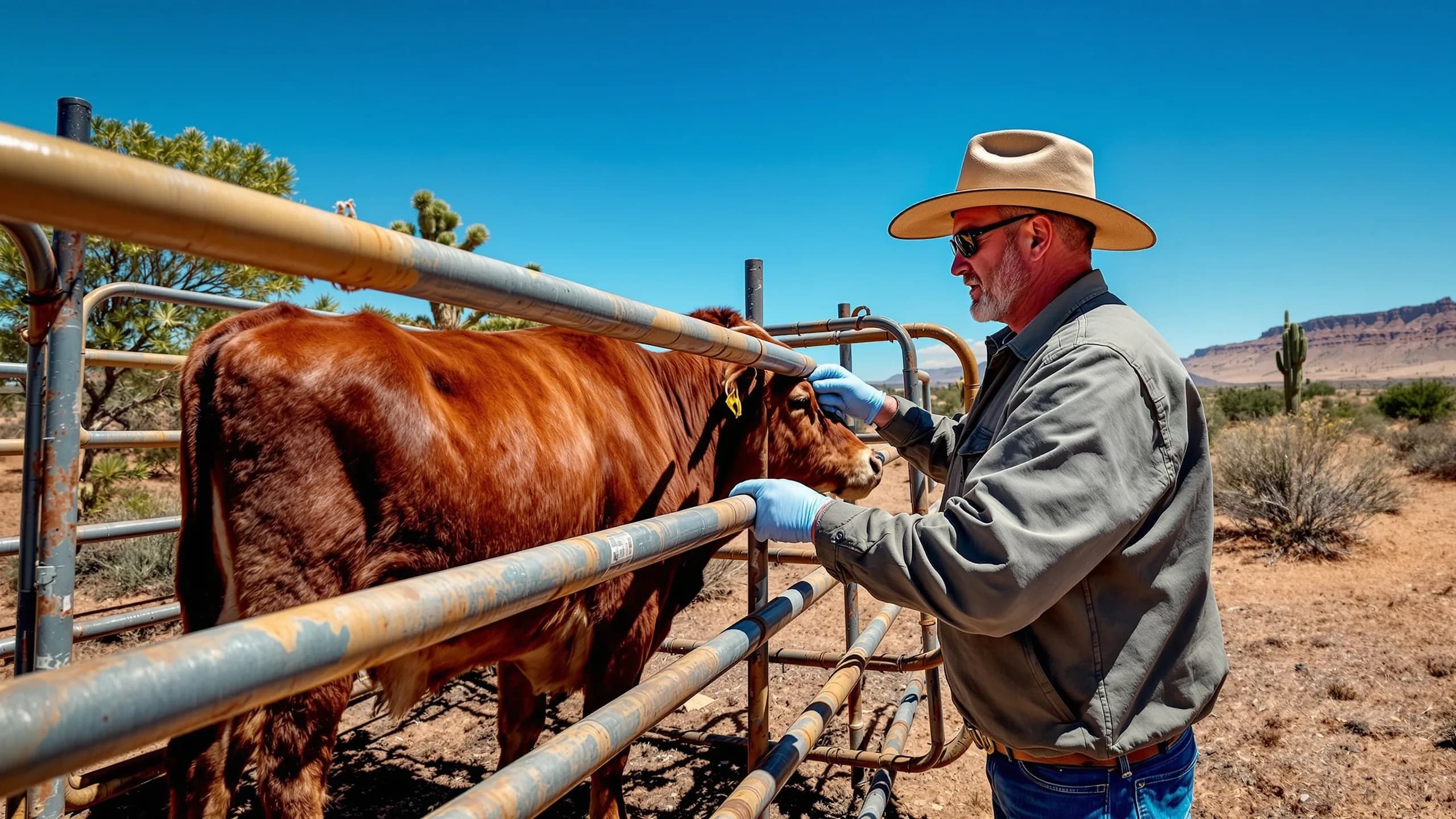
Screwworm Count Reaches 44 as Brewster County Adds Two More Cases and the Infested Zone Extends Into Presidio
USDA's dashboard now lists 44 confirmed New World screwworm cases — 43 in Texas — after two cattle cases in Brewster County and a sheep in Pecos County closed out July. TAHC has extended the infested zone into Presidio County, bringing movement restrictions to parts of 23 counties.
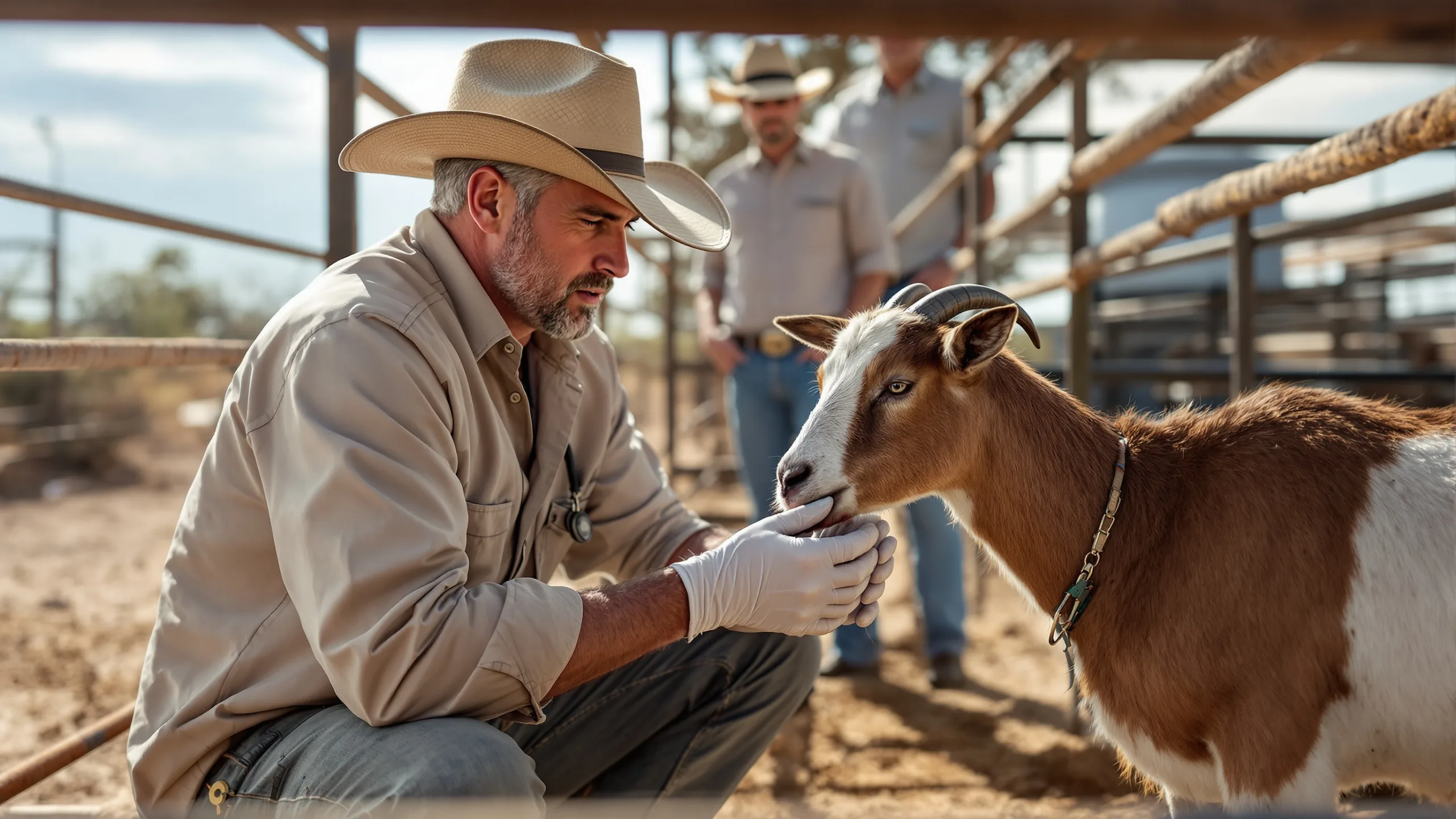
Screwworm Count Reaches 42 as Three More Texas Counties Join the Case Map and Pet Transport Rules Tighten
USDA's dashboard now lists 42 confirmed New World screwworm cases — 41 in Texas — after goats tested positive in Sutton County on July 21. Jim Hogg, Pecos and Uvalde counties also carry confirmed cases, and interstate pet transport rules are squeezing Texas shelters.