
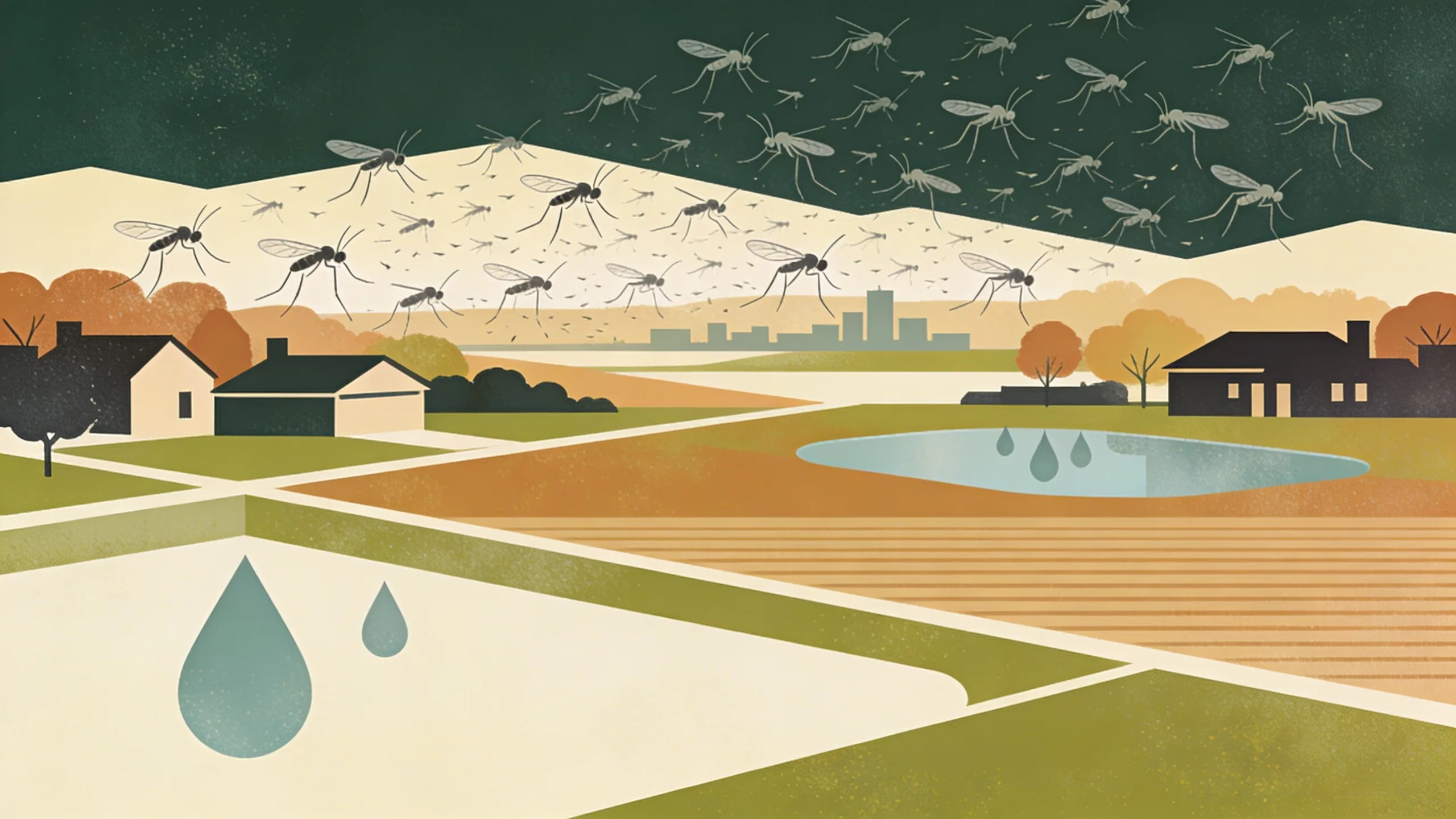
Why Mosquito Season in North Texas Is Getting Harder to Manage
Mosquito control professionals across North Texas are facing an increasingly complex battle this spring. Environmental changes, including shifting weather patterns and urban development, are creating ideal breeding conditions that challenge traditional management approaches.
The region's rapid growth has transformed once-rural areas into suburban landscapes, introducing new standing water sources—from retention ponds to backyard fixtures—that serve as prime mosquito habitat. Combined with an unusually warm start to spring, these factors have accelerated mosquito population growth beyond typical seasonal expectations.
The Perfect Storm
Several converging elements are making 2026 particularly challenging:
Urban expansion has replaced natural drainage with engineered water management systems. Retention ponds, stormwater basins, and irrigation systems create permanent water sources that sustain mosquito populations through dry periods.
Temperature fluctuations have disrupted traditional seasonal patterns. Warmer nights and mild winters allow mosquito populations to establish earlier and persist longer, compressing the effective window for preventive control measures.
Rainfall variability compounds the problem. Intense storms followed by dry spells create temporary pools that hatch massive broods of floodwater mosquitoes, while persistent humidity favors the container-breeding species that carry West Nile virus.
Health Implications
The stakes extend beyond nuisance. North Texas remains a focal point for West Nile virus transmission, with the region consistently reporting among the highest case counts in Texas. Early-season mosquito activity signals elevated risk potential as summer approaches.
Local health departments are expanding surveillance efforts, but officials emphasize that effective control requires coordinated community action. Individual property maintenance—eliminating standing water, maintaining screens, and using appropriate repellents—remains the first line of defense.
Adapting Strategies
Pest control operators are responding with integrated approaches that combine traditional adulticide applications with larval source reduction and biological controls. The goal is managing populations before they reach problematic densities rather than reacting to established infestations.
For North Texas residents, the message is clear: mosquito season is arriving earlier, lasting longer, and demanding more vigilant personal protection than in years past.
For information on mosquito prevention and local control efforts, contact your county health department or visit the Texas Department of State Health Services website.
Sources
Texas Bug Slayers Editorial Team
Editorial Board
The Texas Bug Slayers editorial team brings together licensed pest control professionals, entomologists, and writers dedicated to helping Texans protect their homes and families from pests.
Related Articles
West Nile Virus Detected in Travis County as Austin Faces Surge in Mosquito Activity
Austin Public Health confirms first West Nile-positive mosquito pool of 2026 in the 78733 zip code, as experts warn that a mild, rainy spring has created ideal breeding conditions.

Brazos County Health District Activates Mosquito Surveillance as West Nile Season Begins
Rising temperatures trigger early mosquito activity in Brazos County, Texas. Health officials begin trapping and testing mosquitoes for West Nile virus as doctors urge preventive measures.

Arlington Sprays Two Nights for West Nile as Texas Case Count Reaches 46 at Season's Peak
Arlington crews sprayed two nights near Caliente Drive after a mosquito trap tested positive for West Nile, as CDC's Sept. 1 update put Texas at 46 human cases.