
Don't Let Bed Bugs Ruin Your Summer Vacation: Texas Expert Shares Travel Tips
Summer travel season is here, and for thousands of Texans heading to hotels and vacation rentals, an unwelcome stowaway could be waiting. Bed bugs—those small, blood-feeding insects that have made a dramatic resurgence across the United States—pose a particular risk to travelers who don't know what to look for.
Dr. Robert Puckett, an entomologist with the Texas A&M AgriLife Extension Service, has studied these persistent pests for years. He says awareness and simple habits can mean the difference between a memorable vacation and a months-long infestation battle at home.
Know Your Enemy
Adult bed bugs present a distinctive profile: small, flat, wingless, and reddish-brown, roughly the size and shape of an apple seed. Young bed bugs, called nymphs, start much smaller and lighter in color, darkening as they feed and mature.
While bed bugs don't transmit disease-causing pathogens, their bites create itchy welts that often appear in linear patterns—the result of repeated probing while the insect searches for a suitable blood vessel.
Puckett notes that bed bugs are survivors. They can live for weeks to months without feeding, depending on temperature, which makes them particularly difficult to eliminate once established.
The Hotel Room Inspection
The moment you enter a hotel room, your luggage becomes vulnerable. Puckett's first rule: keep bags off the floor immediately.
"Bed bugs have difficulty crawling on smooth vertical surfaces," he explains. His recommendation? Place belongings in the bathtub while conducting a preliminary inspection. The smooth porcelain surface provides temporary protection while you check the room.
The inspection itself focuses on specific harborage sites. Pull back bed coverings and examine the seams and rolled edges of mattresses. Look for dark fecal spots that resemble ink stains—these indicate recent feeding activity. Check headboards, nearby furniture, and upholstered seating where people remain stationary for extended periods.
"If you see dark spots, don't wonder if they're from an old infestation," Puckett advises. "Just go downstairs, tell them what you found, and ask for a different room—or find a different hotel."
How They Hitchhike Home
Unlike lice or ticks, bed bugs don't cling directly to human bodies. Instead, they exploit our belongings. They crawl into luggage, purses, and clothing left near sleeping areas, then travel home with their unwitting hosts.
This behavior makes prevention particularly challenging. A traveler can acquire bed bugs without ever seeing the actual insect—only the telltale signs they leave behind.
Common indicators of bed bug presence include:
- Small reddish-brown bugs visible near sleeping areas
- Dark ink-like stains on mattresses or bedding
- Shed skins from molting nymphs
- A distinctive musty odor in heavily infested rooms
When Prevention Fails
Despite precautions, bed bugs sometimes make it home. When that happens, Puckett's advice is unequivocal: call a professional immediately.
"Many populations of these insects are resistant to common insecticides," he explains. "Homeowners often waste time and money and expose their homes to chemicals without solving the problem."
The economics support professional intervention from the start. Bed bug management requires specialized knowledge, professional-grade insecticides, and often multiple treatments. DIY attempts frequently prolong infestations and increase ultimate costs.
"Bed bug management can be very difficult, and products for doing so can be quite expensive," Puckett notes. "It's probably cheaper in the long run to hire a pest management company."
The Bigger Picture
Bed bug resurgence since the 1990s reflects broader changes in pest control practices, increased international travel, and evolving insecticide resistance. They've evolved from a historical nuisance largely eliminated in developed countries to a persistent urban pest affecting every state.
For Texas travelers, the message is practical rather than alarmist. Simple precautions—elevated luggage, quick inspections, and vigilance about where belongings rest—dramatically reduce risk. And if the worst happens, early professional intervention offers the most reliable path back to a pest-free home.
As summer vacation season accelerates through Memorial Day and beyond, a few minutes of prevention at check-in can save weeks of frustration after checkout. The bathtub, it turns out, might be your best travel companion.
Sources
Texas Bug Slayers Editorial Team
Editorial Board
The Texas Bug Slayers editorial team brings together licensed pest control professionals, entomologists, and writers dedicated to helping Texans protect their homes and families from pests.
Related Articles
Bed Bug Awareness Week: How Texas Travelers Can Avoid Hitchhiking Pests This Summer
As Memorial Day kicks off travel season, pest control experts warn Texans about peak bed bug activity and share proven strategies to prevent bringing these hitchhiking pests home.
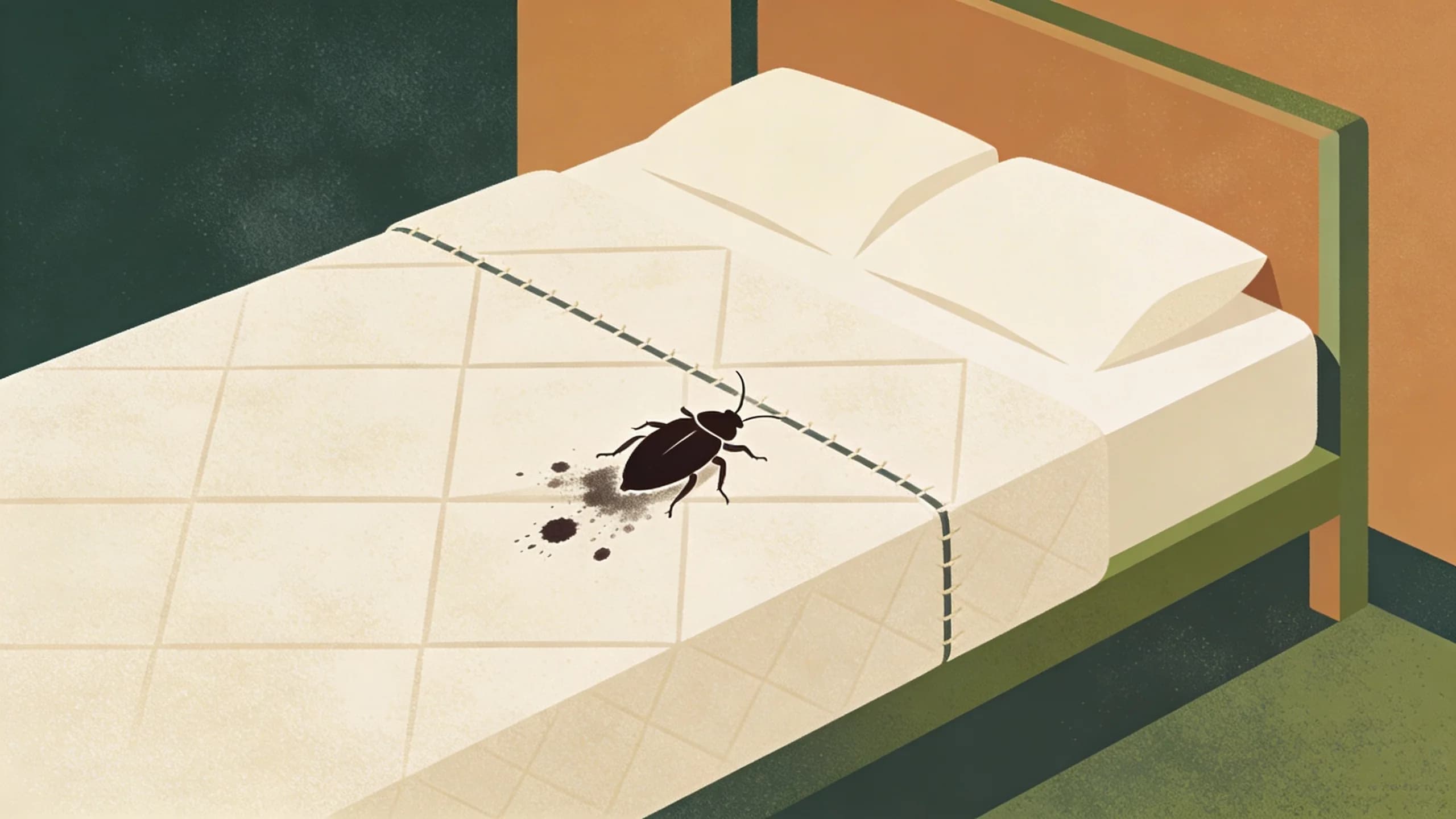
Texas A&M Expert Reveals How to Spot, Prevent and Eliminate Bed Bugs
Bed bugs are spreading across Texas hotels, theaters and public transit. A Texas A&M AgriLife entomologist shares proven strategies for identification, prevention and professional treatment.
Houston and Dallas Rank Among Top 10 Most Mosquito-Infested Cities in 2026
Orkin's 2026 Mosquito Cities List places Houston 7th and Dallas 8th nationally as Texas metro areas remain hotspots for mosquito activity and disease risk.