
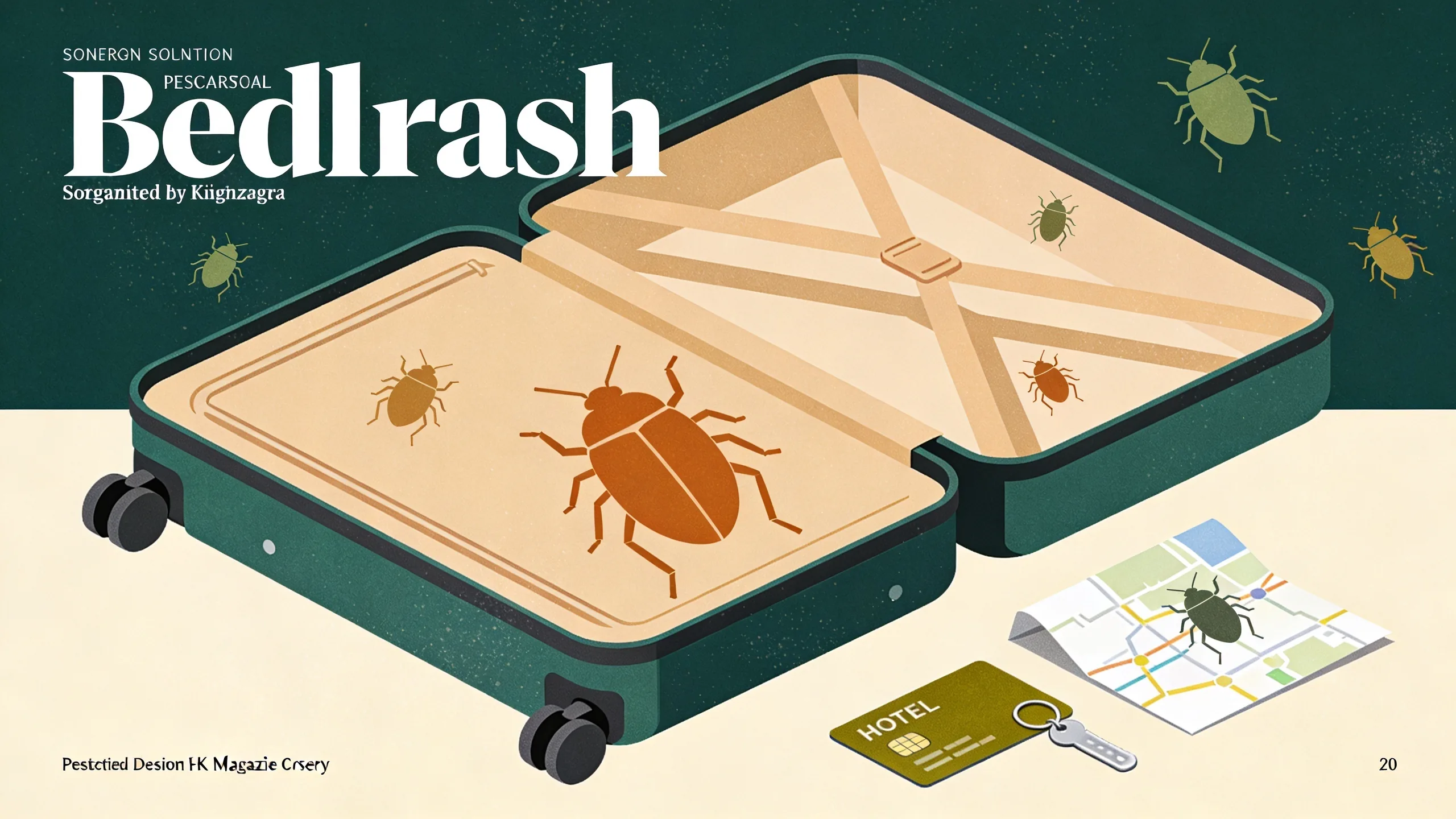
Bed Bug Awareness Week: How Texas Travelers Can Avoid Hitchhiking Pests This Summer
Memorial Day weekend marks more than the unofficial start of summer in Texas. For pest control professionals across the state, it signals the beginning of peak bed bug season—a period when increased travel activity creates perfect conditions for these persistent hitchhikers to spread from hotels and vacation rentals into homes.
The National Pest Management Association has designated this week as Bed Bug Awareness Week, timing the annual campaign to coincide with the travel surge that defines late May through early September. The message for Texans hitting the road: vigilance now prevents infestations later.
Why Summer Spikes the Risk
Bed bugs don't discriminate based on accommodation type or price point. Five-star resorts and budget motels face equal exposure because these insects travel exclusively through human movement—hiding in luggage, clothing, and personal items rather than entering through cracks and crevices like most household pests.
The summer travel season concentrates risk in ways that other periods don't. Families change locations frequently, often staying multiple nights in different cities. Business travelers rotate through airports and hotels weekly. College students return home from dorms where bed bug incidents have risen steadily over the past decade. Each transition creates opportunity for accidental transport.
Texas's position as a crossroads of domestic and international travel amplifies local exposure. Major hubs like Dallas-Fort Worth and Houston see constant flow of visitors from cities with documented bed bug pressures. The insects spread not through poor hygiene or sanitation failures, but through the simple mechanics of human mobility.
What to Inspect Before You Settle In
Professional pest managers recommend a systematic room inspection that takes roughly five minutes but can save weeks of treatment and thousands of dollars in remediation costs.
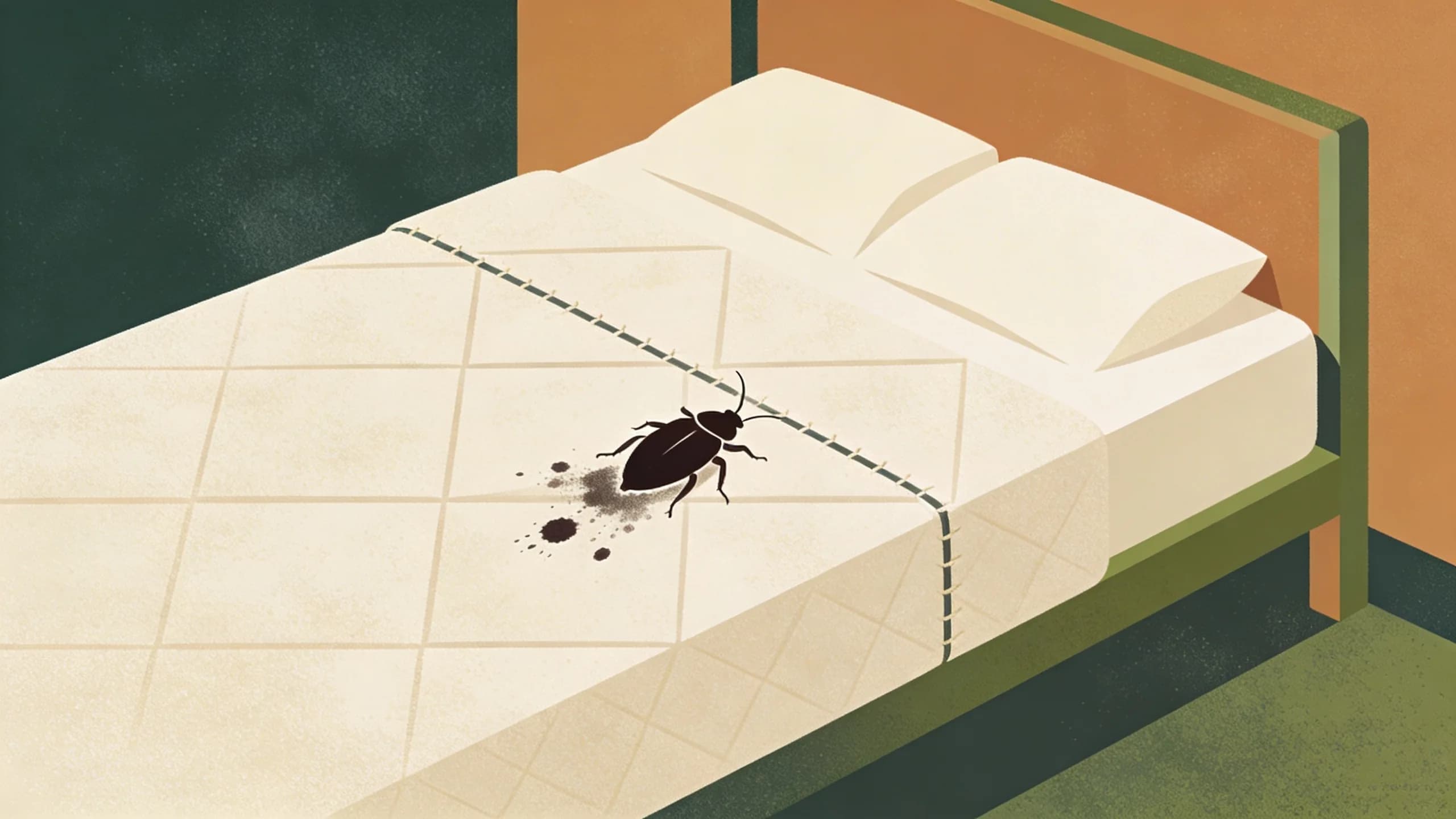
Start with the bed. Pull back the fitted sheet and examine the mattress seams, particularly at the corners and along the headboard attachment points. Adult bed bugs resemble apple seeds in size and color—flattened, oval, and reddish-brown. Look for shed skins, tiny white eggs, or dark fecal spots that appear as small ink stains on fabric.
Check the box spring if the room has one, focusing on the corners and the dust cover fabric. These areas provide the harborage that bed bugs prefer: tight spaces close to their human hosts, with minimal disturbance from cleaning staff.
Expand the search to upholstered furniture near the bed. Nightstands, especially those with drawers, deserve attention. Bed bugs are cryptic by nature, preferring to hide in cracks and crevices during daylight hours, then emerging when carbon dioxide levels indicate a sleeping host is nearby.
Protective Measures for Your Belongings
Where you place luggage matters more than most travelers realize. The bathroom—specifically the bathtub or tiled floor—offers the safest temporary storage. Bed bugs struggle to climb smooth vertical surfaces, and bathrooms receive more frequent deep cleaning than sleeping areas.
Avoid the luggage rack without inspection. While designed for convenience, these stands often sit against walls where bed bugs travel. If you must use one, position it away from the bed and upholstered furniture, and examine the straps and webbing first.
Hard-sided luggage provides better protection than fabric bags, though no suitcase is entirely bed bug-proof. Compression sacks and sealed plastic bags add layers of defense for clothing and personal items. Upon returning home, immediately launder travel clothes in hot water and dry on high heat—thermal treatment kills all life stages of bed bugs, including eggs.
The Texas Context
Bed bug incidents across Texas metropolitan areas have followed national trends of steady increase over the past fifteen years. Unlike some pests that show strong seasonal patterns tied to weather, bed bugs remain active year-round indoors. The summer spike correlates purely with travel volume rather than temperature or humidity.
Multi-family housing presents particular challenges for containment. When bed bugs arrive in apartment complexes or condominiums, they can spread horizontally through wall voids and electrical conduits, making individual unit treatment insufficient without building-wide coordination.
Professional pest control companies report that early detection dramatically reduces treatment complexity. A single female bed bug can lay 200-250 eggs in her lifetime, and populations can establish within weeks. The difference between discovering five insects and five hundred determines whether treatment requires a single visit or months of repeated service.
When to Call Professionals
DIY treatments for established bed bug infestations rarely succeed. Over-the-counter insecticides often scatter populations rather than eliminating them, driving insects deeper into wall voids and making subsequent professional treatment more difficult.
Licensed pest control operators have access to tools and methods unavailable to consumers: heat treatment systems that raise room temperatures to lethal levels for bed bugs while sparing most household items, targeted insecticide applications in precise formulations, and monitoring devices that confirm elimination rather than assuming it.
Texas requires specific licensing for bed bug treatment in commercial settings, and reputable providers carry documentation of their credentials. The Texas Department of Agriculture maintains public records of licensed applicators—worth checking before engaging any service provider.
Bed Bug Awareness Week serves as annual reminder that prevention costs far less than remediation. For Texans planning summer travel, the five minutes spent inspecting a hotel room represents one of the highest-return investments available in pest management.
Sources
Texas Bug Slayers Editorial Team
Editorial Board
The Texas Bug Slayers editorial team brings together licensed pest control professionals, entomologists, and writers dedicated to helping Texans protect their homes and families from pests.
Related Articles

Don't Let Bed Bugs Ruin Your Summer Vacation: Texas Expert Shares Travel Tips
Texas A&M AgriLife Extension entomologist Dr. Robert Puckett offers practical advice for spotting and avoiding bed bugs during hotel stays.
Texas A&M Expert Reveals How to Spot, Prevent and Eliminate Bed Bugs
Bed bugs are spreading across Texas hotels, theaters and public transit. A Texas A&M AgriLife entomologist shares proven strategies for identification, prevention and professional treatment.

Houston Cracks Terminix's Rodent Top Five, With Dallas-Fort Worth Not Far Behind
Terminix's fall ranking of America's worst cities for rodents puts Houston at No. 5 and Dallas-Fort Worth at No. 9, just as cooling weather starts pushing rats and mice indoors across Texas.