

Rio Grande Valley Officials Unite Against Screwworm Threat as Parasite Nears Texas Border
For the first time since the coronavirus pandemic, a public health threat has prompted all four county judges of the Rio Grande Valley to stand together at a single podium. The culprit is not a virus, but a fly—specifically, the New World screwworm, a parasite that feeds on the living flesh of warm-blooded animals and is creeping northward through Mexico toward the Texas border.
Track every confirmed case on our live Texas screwworm tracker and county map.
Hidalgo County Judge Richard F. Cortez, joined by his counterparts from Cameron, Starr, and Willacy counties, addressed ranchers, media, and local officials in Weslaco on Monday. The message was unequivocal: the time for vigilance is now.
The Threat on the Horizon
The screwworm fly (Cochliomyia hominivorax) was eradicated from the United States in the 1980s through a massive sterile insect technique program, but it has persisted in Central and South America. Recent months have seen a troubling northward advance. According to the American Veterinary Medical Association, Mexico reported over 1,800 active screwworm cases as of mid-May, with detections now within 60 miles of the U.S. border.
The economic stakes could not be higher. Texas leads the nation in cattle production, and the Rio Grande Valley serves as a critical corridor for livestock trade between the U.S. and Mexico. An outbreak would trigger immediate movement restrictions, quarantine protocols, and potentially catastrophic losses for ranchers.
What Local Officials Are Doing
The unified front presented by the four county judges signals a coordinated regional response. While specific operational details remain under development, the press conference emphasized several immediate priorities:
- Enhanced surveillance of livestock at border crossings and within the region
- Public awareness campaigns targeting ranchers and rural residents
- Coordination with state and federal agencies, including the Texas Animal Health Commission and USDA APHIS
- Preparation for rapid response protocols should a case be detected north of the border
The timing aligns with broader state-level efforts. Texas Agriculture Commissioner Sid Miller declared an emergency earlier this month as screwworm detections approached the 60-mile threshold. The USDA is meanwhile constructing a $750 million sterile fly facility at Moore Air Base in Edinburg, designed to produce billions of sterilized male flies to mate with wild females and collapse the population.
What Ranchers Should Watch For
Screwworm infestations are insidious. The female fly lays eggs in open wounds—whether from branding, castration, barbed wire cuts, or tick bites. Within 24 hours, larvae hatch and begin consuming living tissue, creating a wound that attracts more flies. Untreated, infestations are fatal.
Key warning signs include:
- Restlessness and isolation in affected animals
- Foul-smelling wounds with visible larvae
- Wounds that fail to heal or worsen despite treatment
- Increased fly activity around livestock
Any suspected case must be reported immediately to the Texas Animal Health Commission at 1-800-550-8242 or USDA APHIS at 1-866-536-7593.
The Broader Context
The screwworm's approach comes at a particularly sensitive moment. The World Cup 2026 will bring millions of visitors to Texas beginning next month, with several matches scheduled in the Rio Grande Valley region. International travel increases the risk of accidental pathogen introduction, and agricultural inspectors are already stretched thin.
Moreover, the sterile fly facility in Edinburg—while promising—will not reach full operational capacity until 2027. Until then, the region remains dependent on imported sterile flies from Panama and traditional biosecurity measures.
For a generation of Texas ranchers who have never encountered screwworm, the learning curve will be steep. The parasite was gone before many current producers were born. That absence bred complacency; the four county judges' joint appearance is a deliberate attempt to shatter it.
The message from Weslaco was clear: the screwworm is not a distant threat. It is at the doorstep. And the Rio Grande Valley is preparing to meet it—together.
Sources
Texas Bug Slayers Editorial Team
Editorial Board
The Texas Bug Slayers editorial team brings together licensed pest control professionals, entomologists, and writers dedicated to helping Texans protect their homes and families from pests.
Related Articles
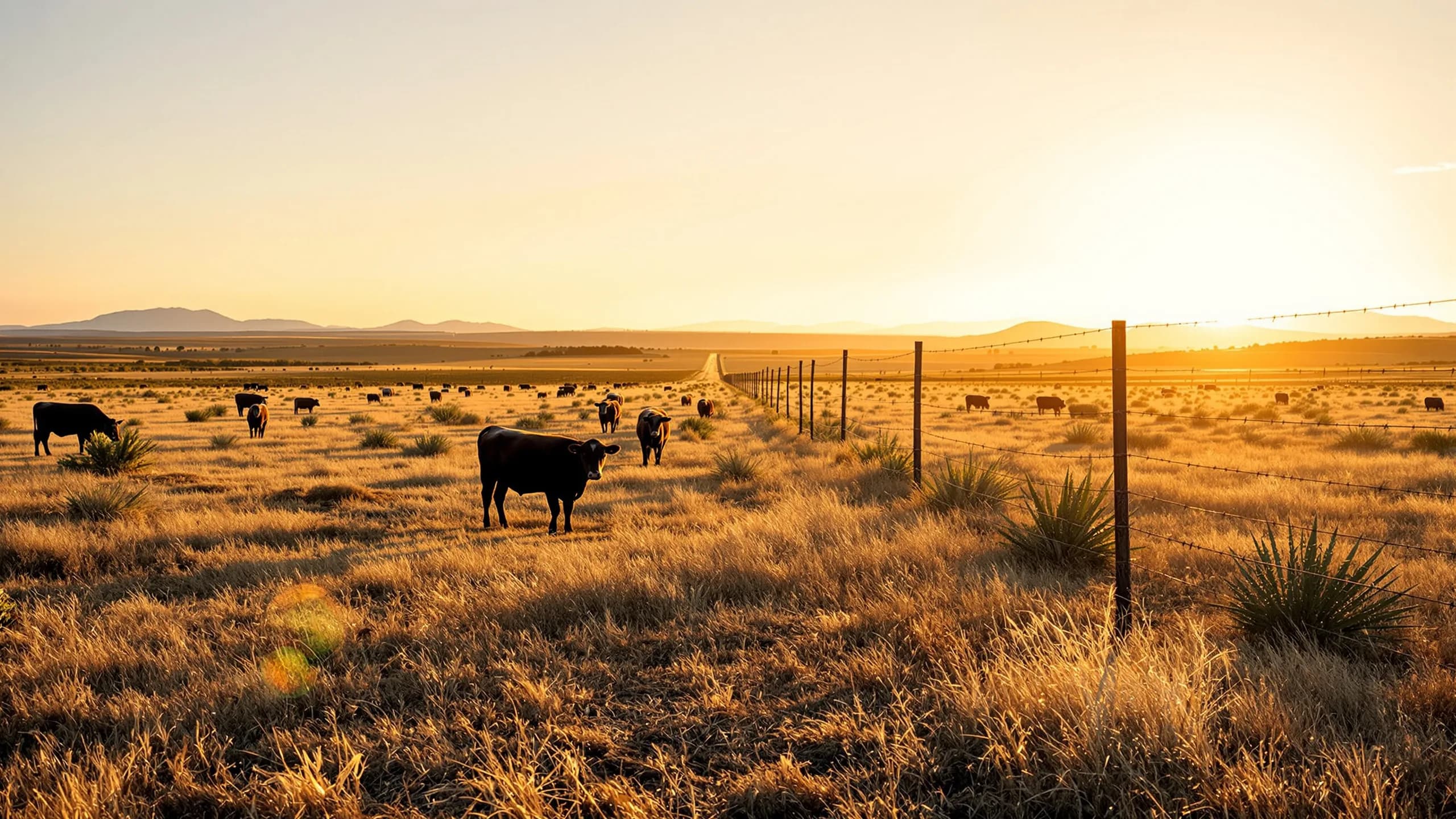
Texas Screwworm 2026: How the Season Unfolded — 50 Cases, a Billion Sterile Flies, and What Winter Brings
From one calf in Zavala County to 50 U.S. cases and a billion sterile flies: the full 2026 Texas screwworm season recap, and why winter is the response's best ally.

USDA Unveils Quarterly Review Roadmap for Screwworm Response Playbook
USDA APHIS shares comprehensive roadmap for quarterly reviews of New World Screwworm Response Playbook as parasite cases reach 45 infestations across Texas and New Mexico.
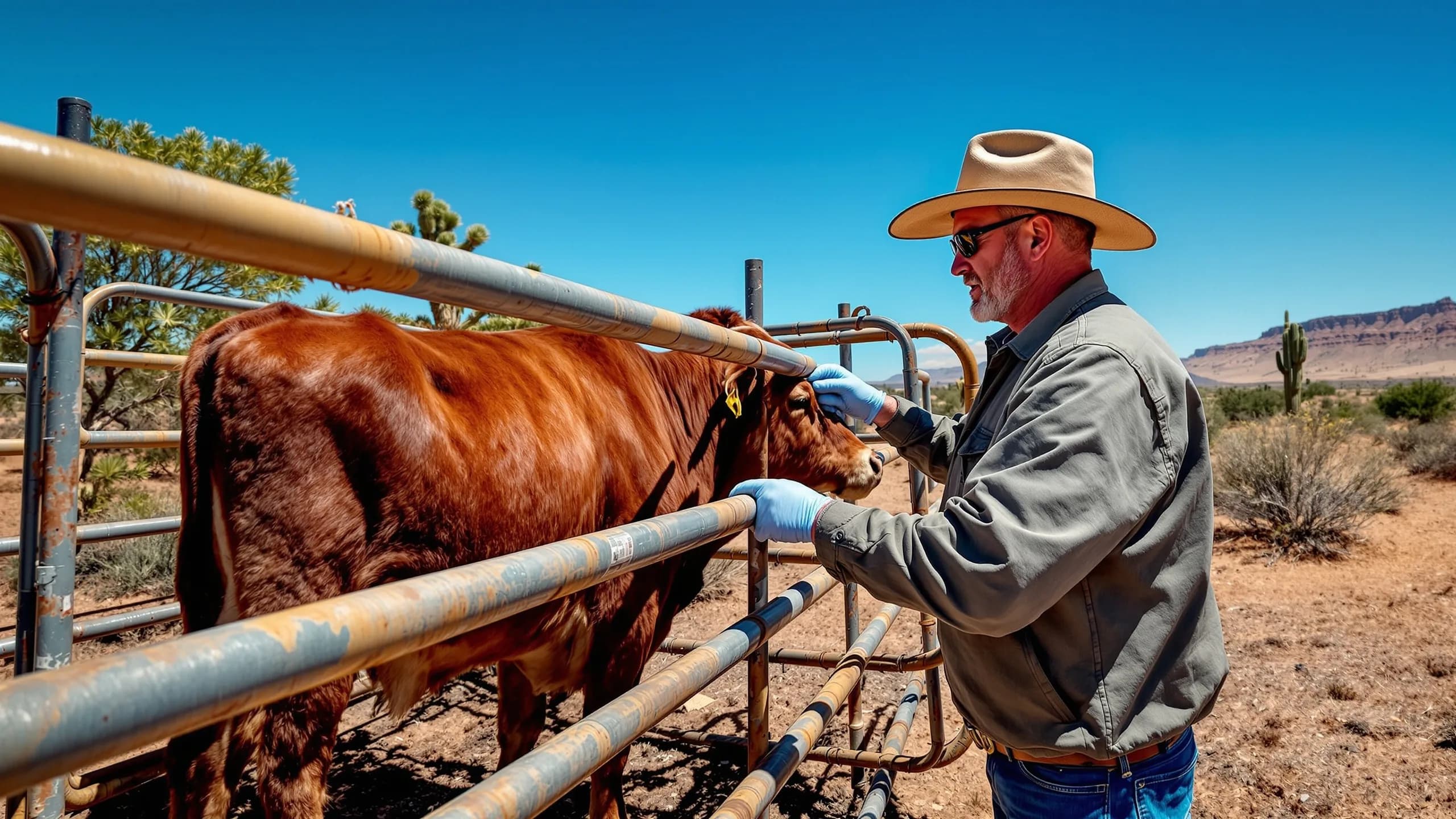
Screwworm Count Reaches 44 as Brewster County Adds Two More Cases and the Infested Zone Extends Into Presidio
USDA's dashboard now lists 44 confirmed New World screwworm cases — 43 in Texas — after two cattle cases in Brewster County and a sheep in Pecos County closed out July. TAHC has extended the infested zone into Presidio County, bringing movement restrictions to parts of 23 counties.