
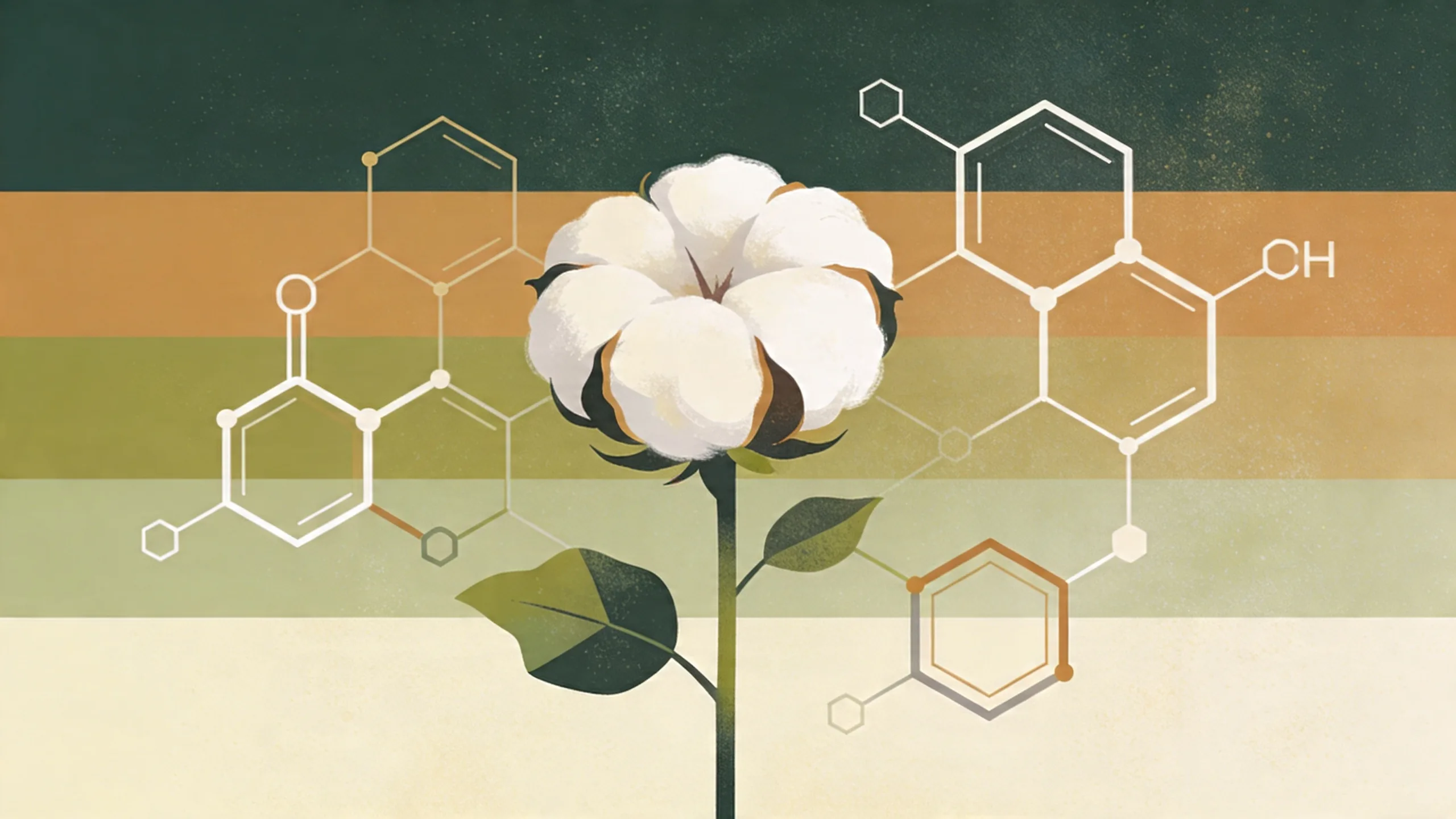
Texas A&M Scientists Target Insect Cholesterol Dependency for Next-Generation Crop Protection
Every plant-feeding insect shares a critical vulnerability that Texas A&M AgriLife Research scientists are learning to exploit: they cannot synthesize their own cholesterol.
Unlike mammals, which produce cholesterol internally, insects must obtain sterols from their diet. This biological constraint has guided a team of Texas A&M researchers toward an innovative pest management approach that could reduce reliance on traditional insecticides while maintaining crop protection.
The research, emerging from AgriLife's plant biology laboratories, focuses on modifying the types of sterols that cotton plants produce. By engineering plants to synthesize sterol variants that insects cannot efficiently metabolize, scientists can effectively starve developing pests without introducing foreign chemicals into the agricultural ecosystem.
"This could offer a new tool for integrated pest management in cotton," the research team noted in preliminary findings. The strategy represents a departure from conventional pest control, which typically relies on either broad-spectrum chemical applications or transgenic plants expressing bacterial toxins.
The cholesterol pathway approach offers several theoretical advantages. Because it targets a fundamental nutritional requirement rather than a specific biological receptor, the technique may prove more durable against resistance development—a persistent problem with both chemical and biotech solutions. Insects that cannot obtain usable sterols simply fail to develop into reproducing adults.
Cotton production in Texas faces mounting pressure from multiple pest species, including cotton bollworm, tobacco budworm, and various sucking insects that have developed resistance to multiple chemical classes. The state's $2.4 billion cotton industry has historically been an early adopter of novel pest management technologies, from pyrethroid insecticides in the 1980s to Bt transgenic varieties in the 1990s.
The sterol modification research builds on decades of fundamental entomology investigating insect biochemistry. Scientists have long understood that sterol availability limits insect fitness, but practical application of that knowledge remained elusive until recent advances in plant metabolic engineering.
Implementation would likely follow established integrated pest management frameworks rather than replacing existing tools entirely. Modified cotton varieties could serve as foundational components of diversified pest management programs, reducing the selection pressure that drives resistance evolution while maintaining economic thresholds for pest damage.
For Texas cotton producers, the timing is significant. The industry has faced increasing scrutiny regarding pesticide use, water consumption, and environmental stewardship. A pest management tool that reduces chemical inputs while maintaining yields would address multiple stakeholder concerns simultaneously.
The research also intersects with broader agricultural biotechnology trends. As gene editing techniques like CRISPR-Cas9 mature, modifying plant metabolic pathways has become more precise and predictable. Sterol engineering represents a relatively subtle intervention—altering existing biosynthetic pathways rather than introducing entirely foreign genetic material—potentially streamlining regulatory review processes.
Field testing remains the critical next phase. Laboratory demonstrations of sterol-based pest suppression must translate to realistic agricultural conditions, where pest complexes, environmental variability, and economic constraints complicate simple biological solutions. Texas A&M's extensive network of research farms across the state's diverse cotton-growing regions provides infrastructure for such evaluations.
If successful, the cholesterol-targeting approach could extend beyond cotton to other crop systems. Any plant-feeding insect with strict sterol requirements—a category encompassing most agricultural pests—would theoretically be susceptible to similar strategies. This broad applicability distinguishes the technique from highly specific biological control methods with narrow target ranges.
The research also highlights the continuing importance of fundamental biological research in agricultural innovation. Understanding insect biochemistry—knowledge accumulated over decades of academic investigation—now enables practical solutions that were unimaginable when the basic science was originally conducted.
For an industry perpetually seeking the next generation of pest management tools, Texas A&M's sterol research offers a reminder that innovation often emerges from unexpected corners of biological understanding. The insects attacking Texas cotton fields have survived every chemical and genetic defense deployed against them. Their absolute dependency on plant-derived cholesterol may finally provide the leverage needed to stay ahead of their evolutionary adaptations.
Sources
Texas Bug Slayers Editorial Team
Editorial Board
The Texas Bug Slayers editorial team brings together licensed pest control professionals, entomologists, and writers dedicated to helping Texans protect their homes and families from pests.
Related Articles

Texas A&M Researchers Target Insect Cholesterol Dependency to Protect Cotton Crops
Texas A&M AgriLife scientists develop gene-editing technique that disrupts insect nutrition by altering plant sterols, offering a new approach to pest management in cotton.

Lovebugs Swarm Houston in Late Summer Surge, Testing Patience and Paint
Houston drivers and homeowners face an unwelcome seasonal visitor as lovebugs swarm the region in higher-than-usual numbers this August.
New World Screwworm Confirmed in Texas: 12 Cases Reported as Parasite Spreads
USDA confirms New World screwworm in Zavala County calf, triggering statewide response. Quarantine now covers 13 Texas counties as cases rise.