
BrockStar Pest Services
DBA of EVERETT JANE CORP
About BrockStar Pest Services
BrockStar Pest Services has been providing licensed pest control services in San Marcos, Texas since 2022. With 4 years of operation under Texas Department of Agriculture license TPCL #892184, they serve residential and commercial customers across Hays County.
Their licensed service areas include pest control, and termite treatment.
BrockStar Pest Services maintains a strong 4.9-star rating based on 80+ customer reviews, placing them among the highest-rated pest control providers in the San Marcos area.
The designated certified applicator for BrockStar Pest Services is BROCK E ANDERSON, with BROCK ANDERSON serving as the business operator. Texas law requires every pest control company to have a certified applicator responsible for supervising all pest management activities.
How BrockStar Pest Services Compares in San Marcos
Computed from Texas Department of Agriculture license records and public Google review data for 18 active licensed companies in San Marcos
#11 of 18
by Google rating among rated companies in San Marcos
80+
reviews — more than 59% of rated companies in San Marcos
Since 2022
TPCL licensed — earlier than 6% of 18 active licenses in San Marcos
The average Google rating across 18 rated pest control companies in San Marcos is 4.8 stars; BrockStar Pest Services stands at 4.9 based on 80+ reviews. Its business license was first issued in 2022, earlier than 6% of the 18 active licenses held in San Marcos today.
Pest Control Services in San Marcos, TX
Licensed for 2 service categories under TPCL #892184
Pest Control
P24 pestsGeneral pest management for common household pests including roaches, ants, spiders, and more
Termite Treatment
T4 pestsInspection, treatment, and prevention of subterranean, drywood, and Formosan termites
Also listed on Google as
Pests Treated
Based on the licensed service categories above
Pest Control
· 24 pestsTermite Treatment
· 4 pestsService Area in Hays County
BrockStar Pest Services serves customers across Hays County, Texas. A street address is not on file with the Texas Department of Agriculture for this license.
Open in Google Maps

+3 more photos
Texas Pest Control License
- License #
- TPCL #892184
- Issued
- Renewed
- Expires
- Certified Applicator
- BROCK E ANDERSON
Pest control businesses in Texas are required to hold a Structural Pest Control Business License (TPCL), issued and regulated by the Texas Department of Agriculture (TDA). The information shown here reflects the public TDA licensee record. Last verified: . View on Texas Department of Agriculture
Authorized service categories (2) under this license
General Pest Control (Category P)
Category P authorizes the company to perform general structural pest control services. This is the most common license category and covers the identification, treatment, and prevention of common household and commercial pests.
What this license covers:
- Cockroaches, ants, spiders, silverfish, and crickets
- Bed bugs, fleas, ticks, and mosquitoes
- Wasps, hornets, and other stinging insects
- Scorpions, centipedes, and occasional invaders
- Interior and exterior perimeter treatments
- Preventive pest management programs
Why it matters: Category P is the foundation license for most pest control companies. It ensures the company has trained technicians who understand pest biology, proper pesticide application, and safety protocols for treating homes and businesses.
Termite Treatment (Category T)
Category T authorizes the company to inspect for, treat, and prevent termite infestations. This is a specialized license requiring additional training in termite biology, soil treatment, and structural assessment.
What this license covers:
- Subterranean termite treatment (liquid barriers and bait systems)
- Drywood termite treatment (localized and whole-structure)
- Formosan termite identification and treatment
- Pre-construction termite prevention for new buildings
- Termite inspections and WDI (Wood-Destroying Insect) reports
- Annual monitoring and warranty programs
Why it matters: Termite treatment requires specialized knowledge of soil chemistry, building construction, and treatment techniques. An incorrect application can fail to protect the structure or cause environmental damage. The T category ensures the company meets TDA standards for termite work.
Frequently Asked Questions
Common questions about pest control services in San Marcos, TX
Is BrockStar Pest Services a licensed pest control company?
Yes. BrockStar Pest Services holds an active Structural Pest Control Business License, TPCL #892184, issued by the Texas Department of Agriculture. The license was first issued on September 8, 2022 and is valid through September 30, 2027. The certified applicator responsible for the license is BROCK E ANDERSON.
What services is BrockStar Pest Services licensed to provide?
BrockStar Pest Services is licensed by the Texas Department of Agriculture for 2 service categories: pest control, and termite treatment. Each category is a separate authorization on TPCL #892184, so the company may only perform work it is explicitly licensed for.
How does BrockStar Pest Services compare to other pest control companies in San Marcos?
Among the 18 rated pest control companies in San Marcos, BrockStar Pest Services ranks #11 by Google rating (4.9 stars vs. a local average of 4.8). Its 87 customer reviews put it ahead of 59% of local rated companies by review volume. The company has held its TPCL license since 2022, longer than 6% of active licensees in San Marcos.
What areas does BrockStar Pest Services serve?
BrockStar Pest Services operates out of San Marcos in HAYS County, Texas. No street address is on file with the TDA for this license, which is common for home-based or service-area businesses. Pest control companies typically serve customers within a 20–30 mile radius, so nearby communities across HAYS County are usually within its service area. Call ahead to confirm coverage for your address.
How much does pest control cost in Texas?
Pest control costs in Texas typically range from $150 to $350 for a one-time treatment, depending on property size and pest type. Quarterly plans usually run $100–$200 per visit. Termite treatments and fumigation cost more, often $500–$2,500 depending on the severity and method used.
What does it mean when a pest control license is inactive?
An inactive license means the company has not renewed their TPCL with the Texas Department of Agriculture. This could be due to business closure, failure to meet insurance requirements, or voluntary non-renewal. Companies with inactive licenses cannot legally perform pest control services in Texas.
What pests does general pest control cover?
General pest control (Category P) covers common household pests including cockroaches, ants, spiders, silverfish, earwigs, crickets, centipedes, and occasional invaders. Some companies include mosquito and flea treatments in their general service, while others offer these as add-ons.
- TPCL #
- 892184
- License Type
- P — Pest ControlT — Termite Treatment
- Issued
- Renewed
- Expires
- Insurance Exp.
- Operator
- BROCK ANDERSON
- Applicator
- BROCK E ANDERSON
- Legal Name
- EVERETT JANE CORP
Licensed by the Texas Department of Agriculture. Verify at texasagriculture.gov
- CitySan Marcos
- CountyHAYS
- Services2
- Reviews80+
Pest Control Companies Near BrockStar Pest Services
The closest licensed alternatives by straight-line distance from BrockStar Pest Services in San Marcos
Moxie Pest Control
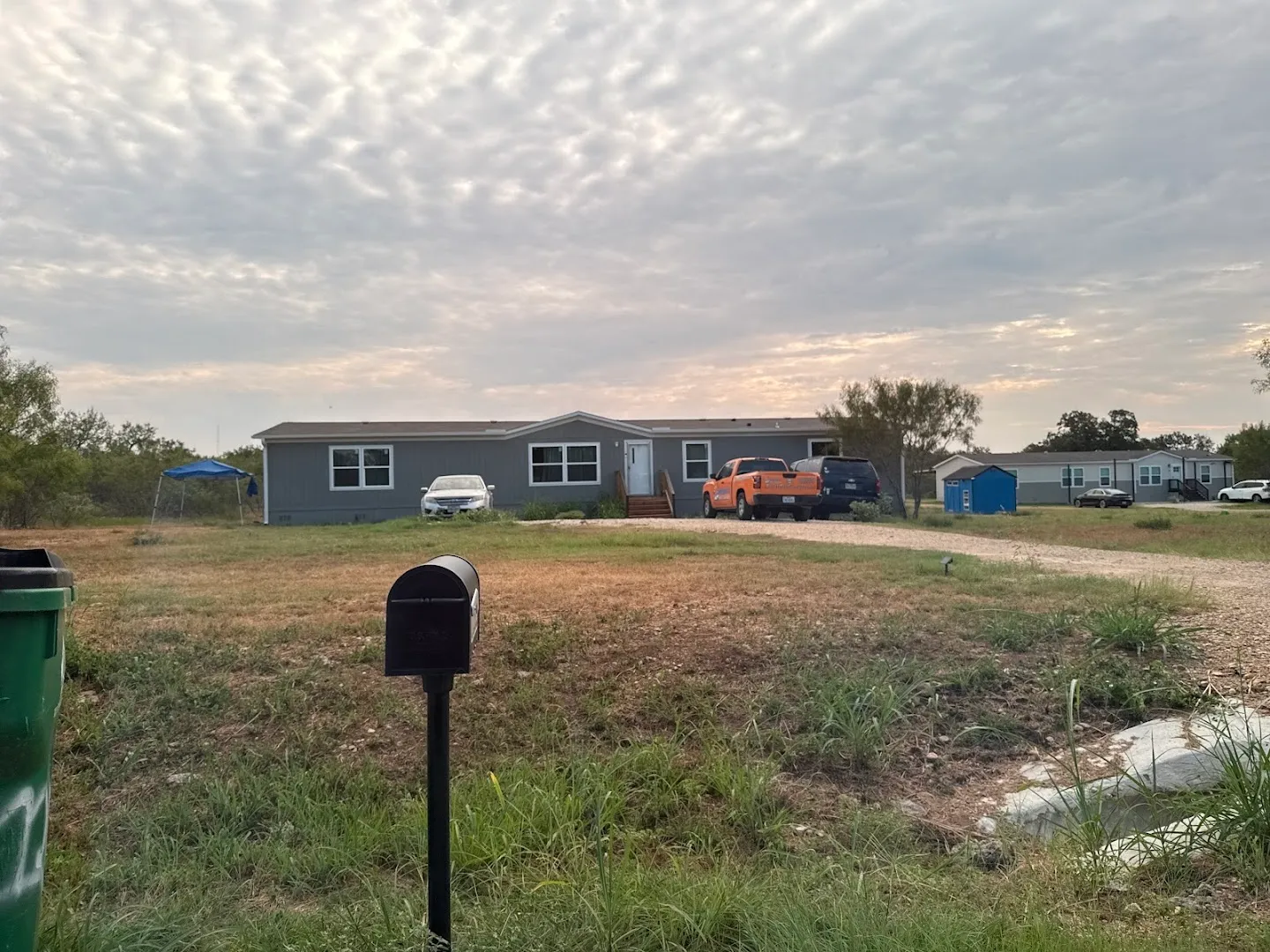
Berrett Pest Control

Brooks Pest Solutions
Truly Nolen Pest & Termite Control - Austin
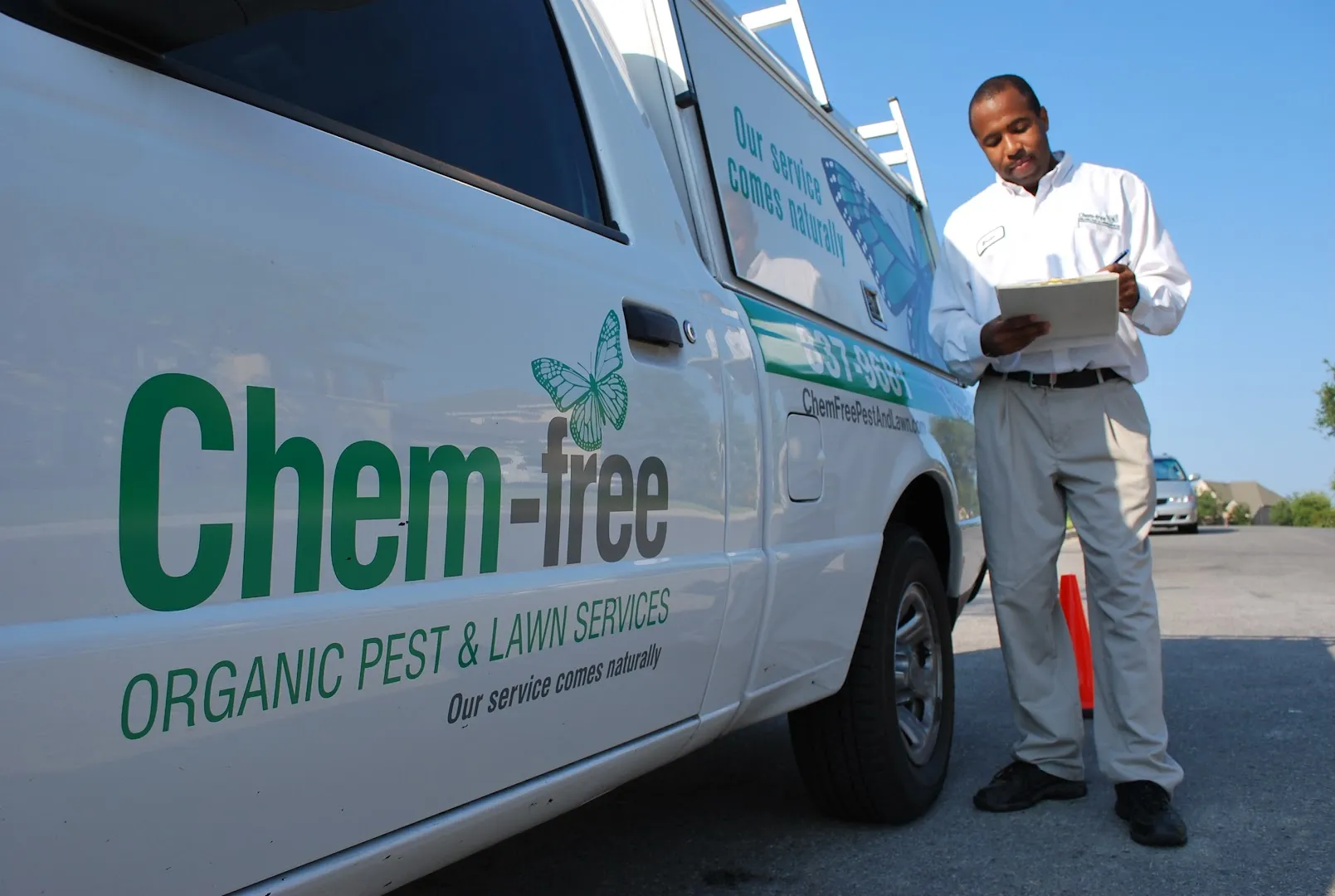
Chem-free Organic Pest & Lawn Services