
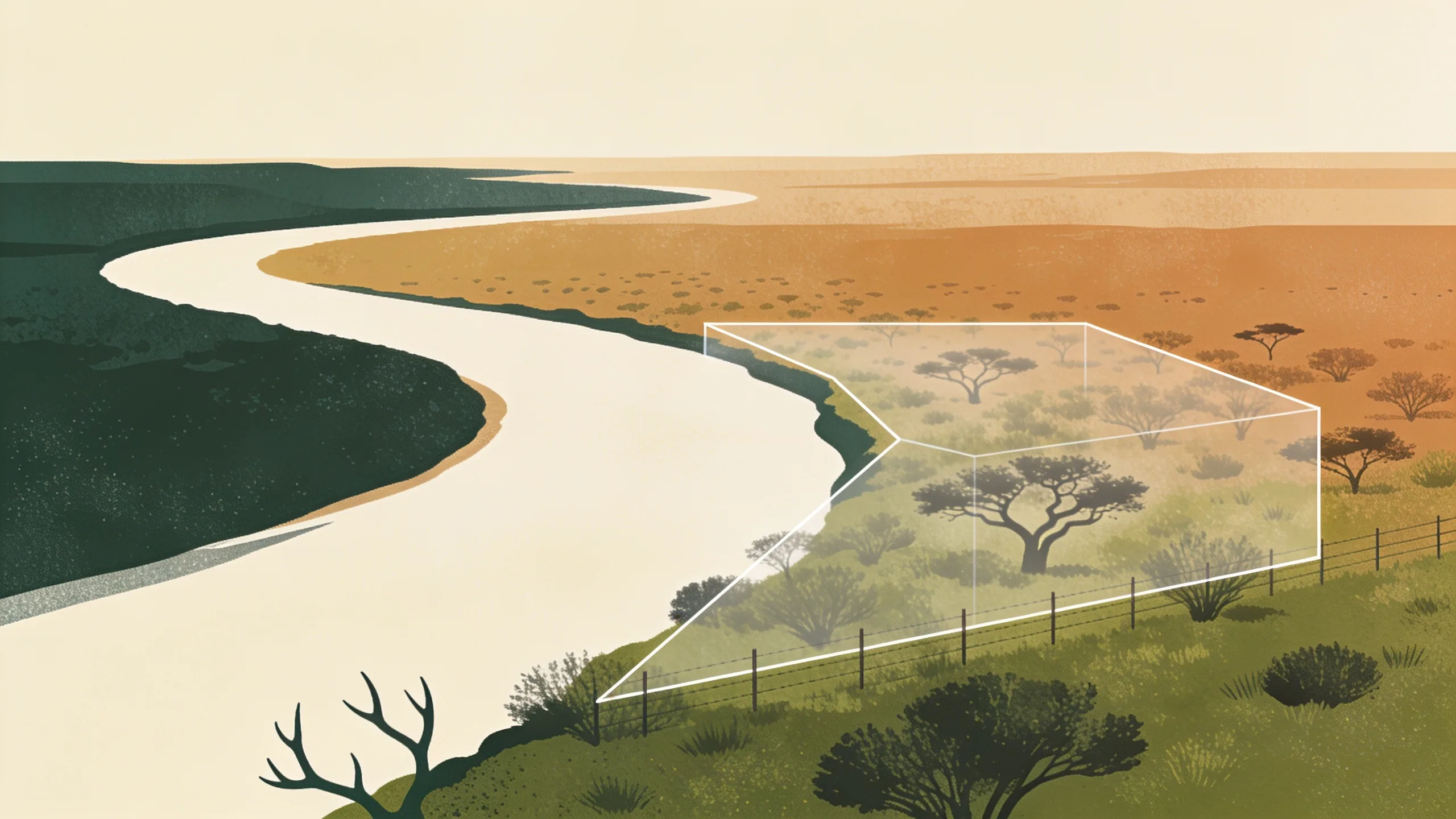
Zone 29 Lands Five Days Before Deer Season in Three Counties TAHC Already Cleared Twice
The document is three pages and reads like the twenty others the agency has issued since June, until you get to the sentence that dates it. On Nov. 2, 2026, New World screwworm was detected in a bovine in Zapata County. Lewis R. Dinges, the Texas Animal Health Commission's executive director, signed an order that afternoon placing portions of Jim Hogg, Starr and Zapata counties under quarantine as Infested Zone 29, effective immediately.
What makes Zone 29 different from the zones that came before it is the paperwork that already exists for those three counties.
On June 26, the commission established Infested Zone 10 across the same three counties after the outbreak's first push into the Rio Grande brush country. On Sept. 18, it released them. On July 18, it established Infested Zone 16 for Starr and Zapata. On Oct. 10, it released those too. Both release orders rest on the same findings — fly trapping and monitoring data, an assessment of sterile fly dispersal, visual inspection of susceptible animals, and no additional detections during the surveillance period that followed the last confirmed case.
For Jim Hogg, that is the second quarantine of the year. For Starr and Zapata, it is the third. The release orders themselves anticipated this. Both close with the same line, that continued vigilance remains essential to prevent the reintroduction or reestablishment of the pest — a sentence that reads differently now than it did in September.
The restrictions attached to Zone 29 are the standard set. Warm-blooded animals inside the zone may not move out without prior authorization from the commission, and any animal that does move must be inspected, treated as required and issued a permit or certificate by a commission representative. Unauthorized movement carries administrative penalties or criminal prosecution, and the order stays in force until the quarantine is released.
Then there is the clause that matters to anyone with a hunting lease. Hides, carcasses and parts of any animal capable of serving as a host for screwworm must be inspected and undergo any treatment a commission representative deems necessary before they leave the zone. That is not a new rule; it appears in every zone order this year. It is the timing that is new. Archery season closes Nov. 6. The general season in South Texas opens Nov. 7 and runs through Jan. 17, 2027, and Jim Hogg, Starr and Zapata are three of the counties that define the region's reputation as trophy deer country.
Hunters in Starr and Zapata were already dealing with a second set of rules. Both counties sit inside the cattle fever tick quarantine area, where landowners, lessees and anyone else who plans to move or hunt nilgai antelope, white-tailed deer or other free-ranging wildlife must have the animals or hides inspected before movement. The commission publishes separate inspection numbers for each county — 956-487-5007 for Starr, 956-765-4911 for Zapata, 956-723-3051 for neighboring Webb — and those lines have been handling fever tick inspections for years. This week they acquired a second reason to be called.
The geography is the part that will get attention in Austin. Zapata County sits on the Rio Grande above Falcon Lake, with Webb County and Laredo along its northern line. Starr County's eastern edge is Hidalgo County, the state's largest border population center. A zone that began the year in the Trans-Pecos and the Edwards Plateau has now reached the two counties flanking Texas' busiest inland port and its biggest Rio Grande Valley metro — roughly 350 miles east of the Culberson County zone designated on Oct. 31.
None of that means the fly is spreading in a straight line, and the commission has not said so. Counties have been released and re-entered before: Val Verde appeared in a modified-and-release order in mid-October and was back under a new zone designation days later. What the record shows is a pattern in which release is a data finding about a moment, not a permanent status, and the border counties carry the most exposure to reinvasion because the pest does not recognize the river as a boundary.
Statewide, the commission's own situation page listed 57 Texas premises confirmed with at least one screwworm detection as of Tuesday morning, and its county notice named 17 counties under movement restrictions. The Nov. 2 order notes that Governor Greg Abbott renewed the statewide disaster proclamation on Nov. 1.
For producers inside Zone 29, the practical sequence has not changed: call the commission before moving anything warm-blooded, expect an inspection and treatment, and carry the paperwork that follows. For hunters, the sequence is newer. A deer taken in Jim Hogg, Starr or Zapata this season is an animal leaving a screwworm zone, and the order says what happens to the hide and carcass before it crosses the boundary. TPWD's wildlife reporting line, 512-389-4505, handles suspected cases in wild animals; the commission's livestock line is 800-550-8242.
The sterile fly program that is supposed to end this — aerial dispersal over the infested areas, with a production facility under construction in Edinburg — is aimed at exactly this problem, a pest that keeps finding counties that had already been declared clear. Whether Zone 29 is a brief re-entry or the start of a longer fight in the brush country is a question the trap network will answer over the next several weeks, not the order signed Monday.
Sources
- Texas Animal Health Commission — Executive Director Order Declaring Animal Movement Restrictions Due to New World Screwworm in Jim Hogg, Starr, and Zapata Counties (signed Nov. 2, 2026)
- Texas Animal Health Commission — Executive Director Order Releasing Animal Movement Restrictions, Infested Zone 10, Jim Hogg, Starr and Zapata Counties (Sept. 18, 2026)
- Texas Animal Health Commission — Executive Director Order Releasing Animal Movement Restrictions, Infested Zone 16, Starr and Zapata Counties (Oct. 10, 2026)
- Texas Animal Health Commission — New World Screwworm: current infested zone notice and order list (checked Nov. 3, 2026)
- Texas Animal Health Commission — Cattle Fever Ticks quarantine and wildlife inspection requirements
- Texas Parks and Wildlife Department — White-tailed deer seasons, 2026-27
Texas Bug Slayers Editorial Team
Editorial Board
The Texas Bug Slayers editorial team brings together licensed pest control professionals, entomologists, and writers dedicated to helping Texans protect their homes and families from pests.
Related Articles
Eight South Texas Counties Still Quarantine a Tick, and Hunting Season Just Walked Into It
TAHC's Oct. 9 reminder: deer, nilgai and other wildlife taken inside a fever tick quarantine zone in South Texas must be inspected before they leave.
Two Traps Caught Fertile Screwworm Flies, and Texas Redrew the Map in a Day
USDA identified fertile wild screwworm flies in Pecos and Hudspeth counties on Oct. 30. Within a day, TAHC rewrote two infested zones and added Culberson County.

A Dog in Socorro Put El Paso County Inside the Screwworm Zone
Texas recorded its first New World screwworm case in El Paso County on Oct. 27, a dog in Socorro. The next day the quarantine was redrawn as Infested Zone 25.A.