
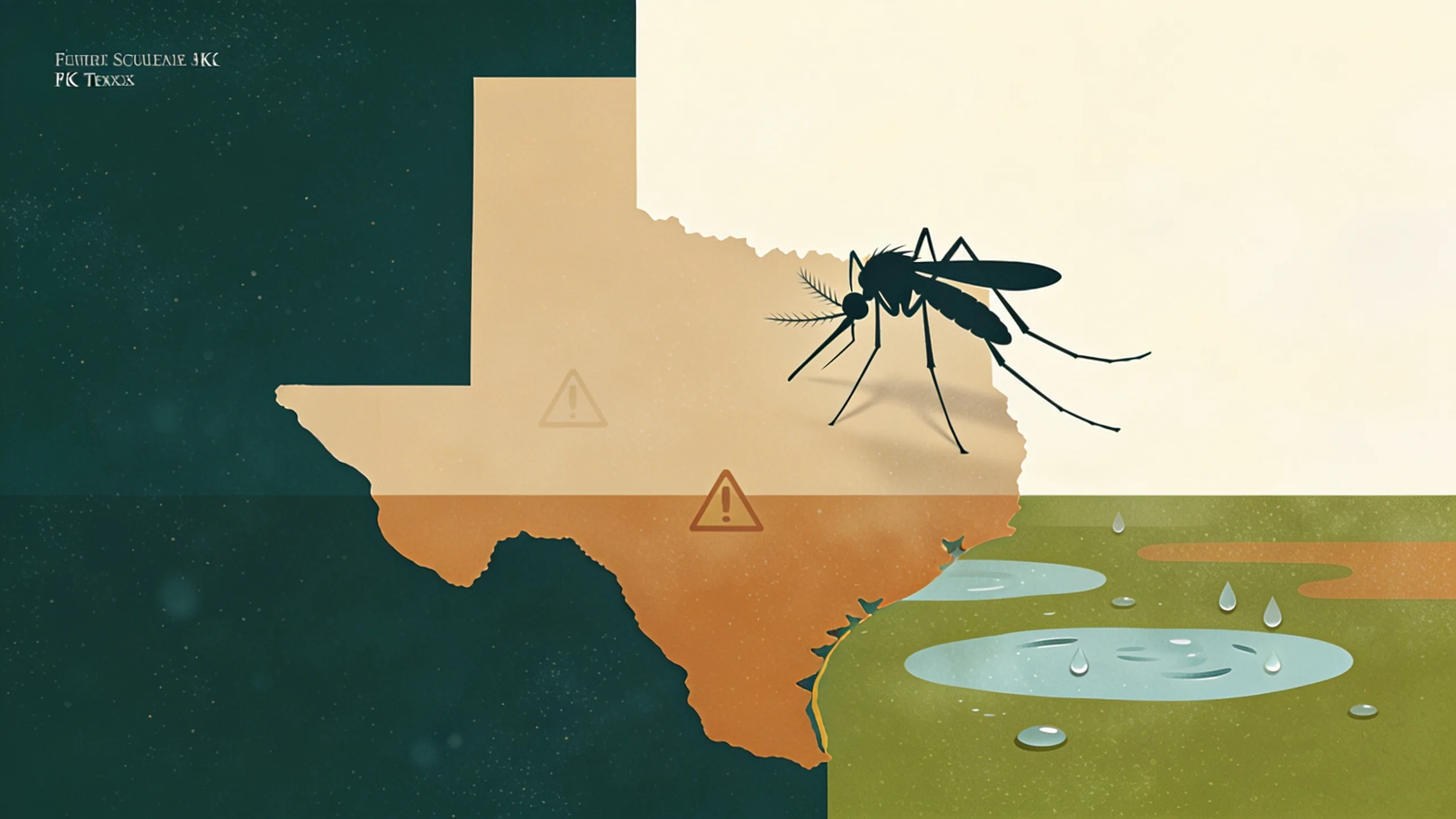
West Nile Virus Season Hits 22-Year High as CDC Issues Urgent Warning
Federal health officials are sounding alarms about a West Nile virus season that has arrived earlier and with more intensity than any in the past 22 years. By June 30, 2026, the Centers for Disease Control and Prevention had confirmed 48 human cases across 23 states — a figure nearly five times the historical average of roughly 10 cases typically reported by the end of June.
The severity of this year's outbreak extends beyond raw numbers. Of the 48 confirmed infections, 38 have progressed to neuroinvasive disease — the severe form where the virus penetrates the brain or spinal cord, potentially causing encephalitis, meningitis, or acute flaccid myelitis. Four deaths have already been recorded, all concentrated in Arizona's Maricopa County.
Texas Ranks Second in National Case Count
While Arizona bears the brunt of the outbreak with 32 confirmed cases, Texas holds the unfortunate distinction of second place with four documented infections. The state's major metropolitan areas — particularly Dallas-Fort Worth and Houston — face elevated risk due to a combination of large older adult populations and abundant urban standing water that provides breeding grounds for Culex mosquitoes, the primary vectors for West Nile transmission.
Historical patterns suggest Texas could see significant escalation in the coming weeks. The last time West Nile began this early in the season — 2004 — the United States ended that year with over 2,500 cases and 100 deaths. With peak transmission months of August and September still ahead, public health officials are urging immediate preventive action.
Why the Early Surge Matters
West Nile virus follows a predictable seasonal pattern in the United States, with cases typically emerging in July and peaking in late summer. The 2026 season has shattered that timeline, with human cases appearing in significant numbers before Independence Day.
Dr. Erin Staples, a medical epidemiologist at the CDC, emphasized the unusual timing in a recent advisory: "These findings serve as an important reminder that mosquito season is well underway. As families gather outdoors to celebrate, we encourage everyone to enjoy their holiday while taking simple steps to protect themselves and their loved ones from mosquito bites."
The geographic spread compounds concerns. With 23 states already reporting activity — the highest number at this point in the season over the past decade — the 2026 outbreak threatens to become one of the most widespread in recent memory.
Understanding the Risk
For most healthy adults, West Nile virus poses limited danger. Approximately 80% of infected individuals never develop symptoms. Among the 20% who do experience West Nile fever, symptoms typically include fever, headache, body aches, joint pain, and fatigue — generally resolving without medical intervention.
The genuine threat lies in neuroinvasive disease, which affects fewer than 1% of all infections but carries devastating consequences. Older adults face disproportionate risk, as do immunocompromised individuals and those with chronic conditions including diabetes, cancer, high blood pressure, or kidney disease.
Neuroinvasive symptoms demand immediate emergency care: high fever with severe headache, stiff neck, confusion, tremors, muscle weakness, sudden paralysis, vision loss, or numbness in limbs.
Prevention Strategies for Texas Residents
The CDC recommends a multi-layered approach to mosquito bite prevention:
Repellent Use: Apply EPA-registered insect repellents containing DEET, picaridin, IR3535, oil of lemon eucalyptus, para-menthane-diol, or 2-undecanone whenever venturing outdoors. Apply repellent over sunscreen, not under it.
Protective Clothing: Wear long, loose-fitting shirts and pants during outdoor activities, particularly during peak mosquito hours of dusk and dawn when Culex mosquitoes are most active.
Source Reduction: Eliminate standing water around homes — in gutters, planters, bird baths, buckets, pool covers, and any containers holding water for more than a few days. For water that cannot be drained, treat with mosquito dunks containing Bacillus thuringiensis israelensis (Bti).
Home Protection: Maintain window and door screens in good repair, and use air conditioning when possible to avoid open windows.
Clothing Treatment: Apply permethrin to clothing, shoes, and outdoor gear. This insecticide kills mosquitoes on contact and retains effectiveness through multiple wash cycles.
What Lies Ahead
The CDC updates West Nile surveillance data weekly throughout mosquito season. With the most dangerous transmission weeks still approaching, case counts are expected to rise substantially. Federal and state mosquito control programs have already initiated aerial and ground-level larvicide and adulticide treatments in highest-activity counties.
For Texas residents, particularly those in high-risk metropolitan areas, the message is clear: prevention is the only reliable protection. No approved human vaccine exists, and no specific antiviral treatment can combat the infection once established.
The 2026 season serves as a stark reminder that West Nile virus — a pathogen that has circulated in the United States since 1999 — remains a persistent public health threat requiring vigilance, particularly during unusually active years.
Sources
Texas Bug Slayers Editorial Team
Editorial Board
The Texas Bug Slayers editorial team brings together licensed pest control professionals, entomologists, and writers dedicated to helping Texans protect their homes and families from pests.
Related Articles

Dallas County Records Its First West Nile Death of 2026 With the Season Still Running
A man in his 60s is the county's first West Nile fatality this year. State data shows 1,376 positive mosquito pools and 57 human cases across Texas.

October Mosquito Pools Are Still Testing Positive, and Cameron County Wants Residents to Call It In
Cameron County launched a community vector-reporting line and Combes began larviciding ditches the same week new West Nile positives surfaced in Nueces, Bell and Rockwall counties.

Florida's Dengue Outbreak Is the Largest in Decades, and Texas Shares the Mosquito
Florida has logged more than 250 locally acquired dengue cases, the biggest continental U.S. outbreak in decades. Texas is one of the few states where local spread has happened before.