

New World Screwworm Cases Climb to 31 in Texas as Parasite Spreads to Crockett County
The flesh-eating New World screwworm has now infected 31 animals across Texas and New Mexico, federal agriculture officials confirmed Thursday, marking another escalation in an outbreak that threatens the region's multi-billion dollar livestock industry.
Our live Texas screwworm case tracker keeps the running count and county map as USDA updates land.
The U.S. Department of Agriculture's latest tally includes 30 confirmed cases in Texas and one in New Mexico. The most recent detections—two infestations in sheep—were confirmed June 30 in Crockett County, a West Texas ranching community roughly 300 miles southwest of Dallas.
What Ranchers Need to Know Now
Unlike common maggots that feed on dead tissue, screwworm larvae attack living flesh. Adult female flies lay eggs in open wounds or natural body openings, and within hours the hatched larvae begin burrowing into tissue. Left untreated, infestations are fatal.
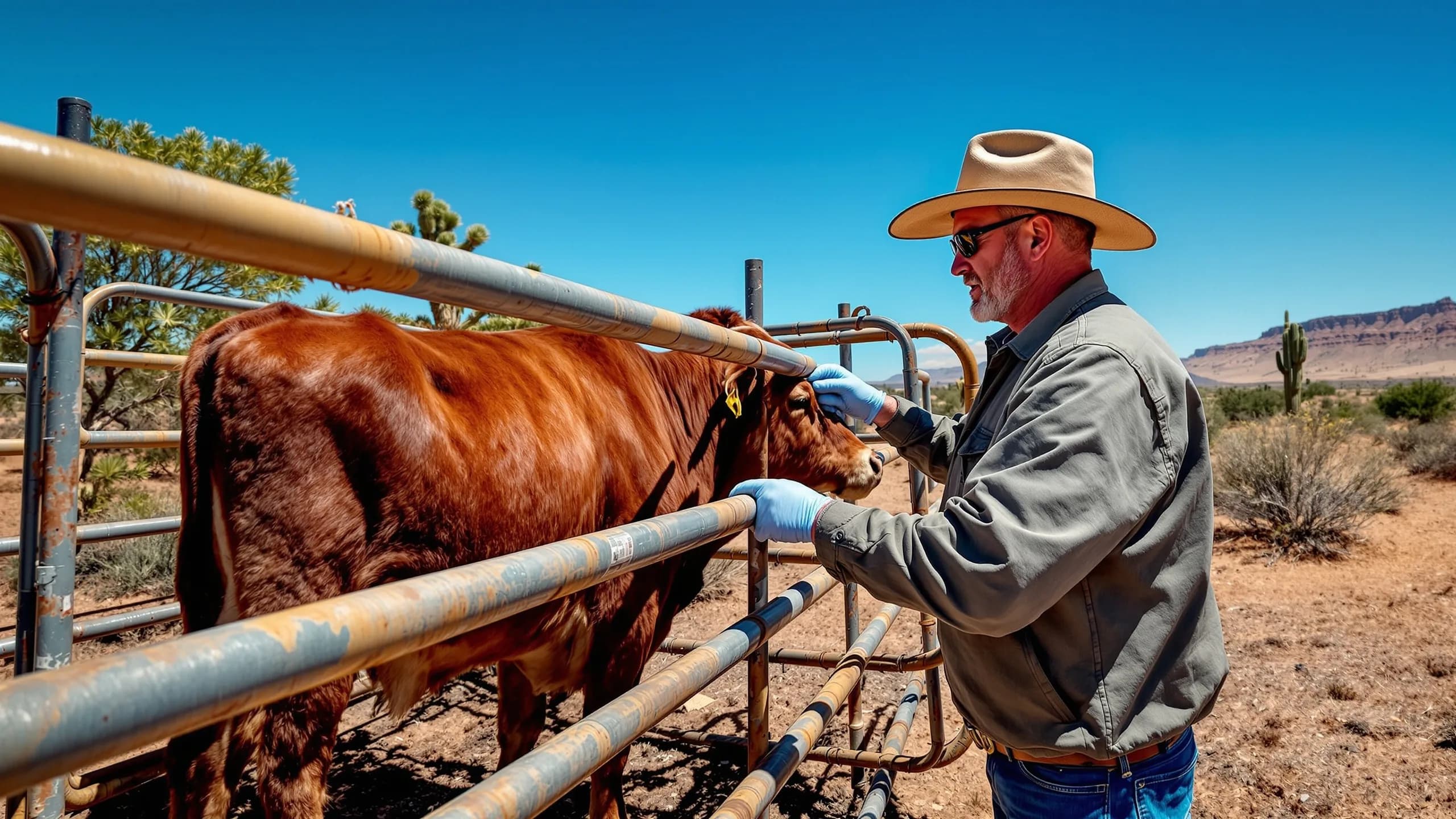
Texas A&M AgriLife livestock entomologist Sonja Swiger emphasizes that early detection remains the most effective defense. "Wounds that continue to worsen instead of healing, bloody or foul-smelling drainage, and visible larvae moving inside a wound—these are the warning signs," she explained in a recent interview with Texas Public Radio.
Animals at risk include cattle, horses, sheep, goats, pigs, deer, and domestic pets. While human infections remain rare, anyone with untreated wounds in affected areas faces potential exposure.
The Economic Stakes
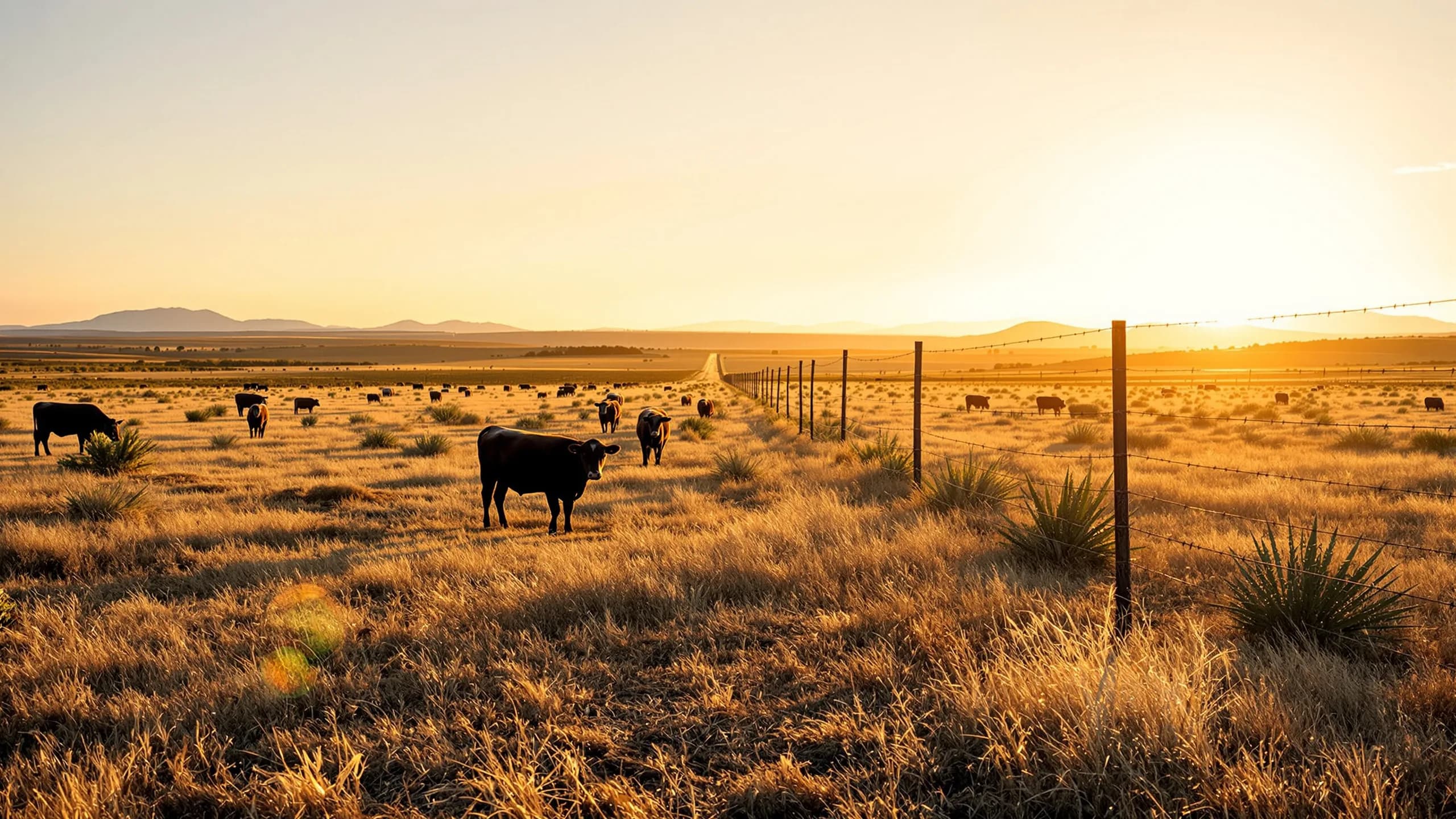
Texas leads the nation in cattle production, with more than 13 million head spread across 130 million acres of ranchland. The state's white-tailed deer population—another vulnerable species—supports a hunting industry worth billions annually.
A widespread screwworm establishment could trigger devastating economic ripple effects: increased veterinary costs, livestock trade restrictions, wildlife population declines, and heightened demand for animal health services.
The Texas Animal Health Commission and USDA have responded by expanding surveillance networks, tightening animal movement monitoring, and promoting rapid reporting of suspected cases.
Eradication History and Current Response
The United States eliminated screwworm decades ago through the sterile insect technique—releasing millions of sterilized male flies to collapse wild populations. That success, one of pest control's greatest achievements, created a biological barrier protecting North American livestock.
But the parasite persists in Central and South America, and the current outbreak demonstrates how quickly reintroduction can occur. Federal and state agencies are now deploying the same sterile fly strategy along the Texas-Mexico border while conducting ground surveillance across affected counties.
What Texans Should Do
For most residents, daily routines need not change. The primary risk targets livestock, wildlife, and pets.
Animal owners should inspect wounds regularly, contact veterinarians immediately if wounds worsen or contain larvae, and avoid transporting animals with suspicious injuries until examination. Hunters must check harvested game for unusual wounds and report suspected cases to wildlife officials.
Anyone suspecting an infestation should contact a veterinarian before moving the animal. The Texas Animal Health Commission maintains a dedicated hotline and online resources for reporting and guidance.
The outbreak's trajectory remains uncertain, but the response infrastructure built during the original eradication campaign gives officials tools that didn't exist during previous screwworm eras. Whether those tools prove sufficient depends on detection speed, containment effectiveness, and the cooperation of ranchers across affected regions.
Sources
Texas Bug Slayers Editorial Team
Editorial Board
The Texas Bug Slayers editorial team brings together licensed pest control professionals, entomologists, and writers dedicated to helping Texans protect their homes and families from pests.
Related Articles
Texas Screwworm 2026: How the Season Unfolded — 50 Cases, a Billion Sterile Flies, and What Winter Brings
From one calf in Zavala County to 50 U.S. cases and a billion sterile flies: the full 2026 Texas screwworm season recap, and why winter is the response's best ally.

USDA Unveils Quarterly Review Roadmap for Screwworm Response Playbook
USDA APHIS shares comprehensive roadmap for quarterly reviews of New World Screwworm Response Playbook as parasite cases reach 45 infestations across Texas and New Mexico.
Screwworm Count Reaches 44 as Brewster County Adds Two More Cases and the Infested Zone Extends Into Presidio
USDA's dashboard now lists 44 confirmed New World screwworm cases — 43 in Texas — after two cattle cases in Brewster County and a sheep in Pecos County closed out July. TAHC has extended the infested zone into Presidio County, bringing movement restrictions to parts of 23 counties.