
Little Elm Reports First West Nile Positive Mosquitoes of 2026 Season
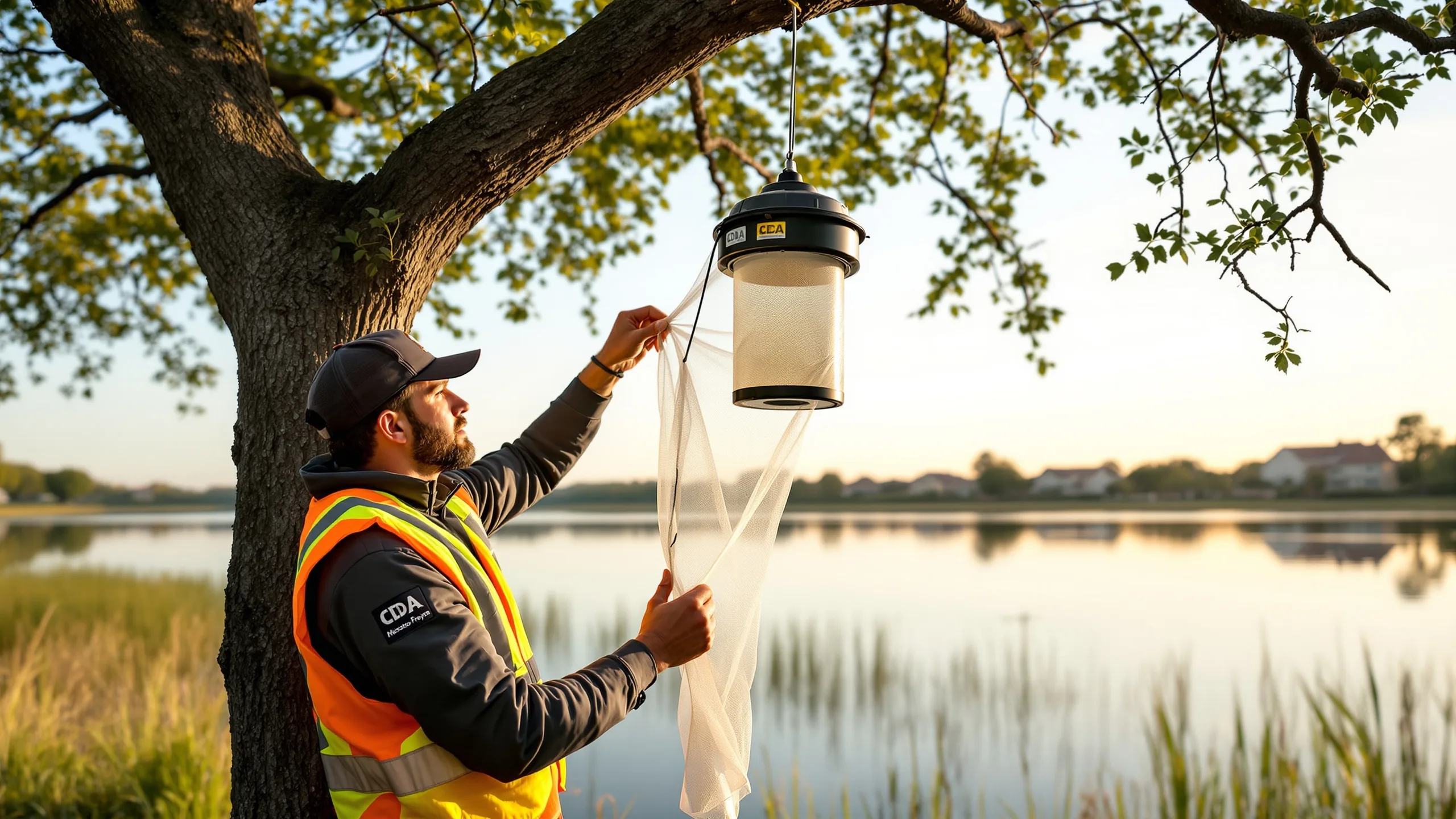
Health officials in Little Elm have confirmed the city's first West Nile virus-positive mosquito sample of 2026, marking an early start to vector-borne disease surveillance season in North Texas. The positive pool was collected near Round Up Trail, prompting renewed calls for residents throughout Denton County to take personal protective measures against mosquito bites.
No human infections have been reported in the North Texas region this season, according to local health authorities. The detection arrives roughly one month earlier than typical seasonal patterns, reflecting both heightened surveillance efforts and environmental conditions favorable to Culex mosquito populations.
Early Season Detection
The sample collection, conducted through routine trapping protocols established by Denton County's integrated vector management program, tested positive during standard laboratory screening. While a single positive pool does not constitute an outbreak, public health officials treat early-season detections as critical warning signals that guide resource allocation and intervention strategies.
Little Elm's confirmation follows closely on the heels of Texas's first documented human West Nile case of 2026, a neuroinvasive infection reported in Harris County during late May. That case, involving the most severe form of the illness, prompted Houston-area health departments to accelerate mosquito control operations ahead of schedule.
Regional Surveillance Intensifies
Denton County maintains one of North Texas's more comprehensive mosquito surveillance networks, operating trapping sites across multiple municipalities including Little Elm, Denton, and surrounding communities. The program monitors both nuisance mosquito populations and vector species capable of transmitting West Nile virus, Zika, and other arboviruses.
Vector control specialists emphasize that early detection provides crucial lead time for implementing targeted interventions. Larviciding operations, which treat standing water sources with biological agents that kill mosquito larvae before they develop into flying adults, prove most effective when initiated before peak population surges occur.
What Residents Should Know
West Nile virus circulates naturally between birds and mosquitoes, with humans becoming incidental hosts when infected female mosquitoes seek blood meals. The majority of human infections cause no symptoms whatsoever. Approximately one in five infected individuals develop mild febrile illness characterized by headache, body aches, and fatigue. Severe neuroinvasive disease, affecting the brain and spinal cord, occurs in roughly one out of every 150 infections but carries significantly higher mortality risk.
Personal protection measures remain the most effective individual defense strategy:
- Apply EPA-registered insect repellents containing DEET, picaridin, or oil of lemon eucalyptus when spending time outdoors, particularly during dawn and dusk hours when Culex mosquitoes are most active
- Wear long sleeves and pants during peak mosquito activity periods
- Ensure window screens are intact and free of gaps
- Eliminate standing water around residential properties, including clogged gutters, flower pot saucers, and children's toys that collect rainwater
Environmental Factors
The early detection coincides with weather patterns that favor mosquito reproduction. Above-average spring temperatures combined with periodic rainfall have created ideal breeding conditions across North Texas. Standing water in low-lying areas, storm drains, and neglected swimming pools provides abundant habitat for Culex species that preferentially transmit West Nile virus.
Climate projections suggest the 2026 mosquito season could extend longer than historical averages, potentially increasing the window of transmission risk. Health departments throughout the Dallas-Fort Worth metroplex have indicated they will maintain enhanced surveillance through October or until sustained overnight temperatures drop below mosquito activity thresholds.
Looking Ahead
Little Elm officials have not announced plans for adulticide spraying operations, typically reserved for situations involving multiple positive pools or documented human cases. The city will continue weekly trapping and testing protocols, with results posted to the Denton County Health Department's online dashboard.
For Texas residents, the message remains consistent year after year: West Nile virus represents a persistent public health threat that responds predictably to individual precautionary measures. The detection in Little Elm serves as an annual reminder that mosquito season has arrived in earnest—and that personal vigilance offers the most reliable protection against infection.
Sources
Texas Bug Slayers Editorial Team
Editorial Board
The Texas Bug Slayers editorial team brings together licensed pest control professionals, entomologists, and writers dedicated to helping Texans protect their homes and families from pests.
Related Articles

Arlington Sprays Two Nights for West Nile as Texas Case Count Reaches 46 at Season's Peak
Arlington crews sprayed two nights near Caliente Drive after a mosquito trap tested positive for West Nile, as CDC's Sept. 1 update put Texas at 46 human cases.
Denton County Reports First Neuroinvasive West Nile Case as Virus Spreads Across North Texas
Denton County confirms its first severe neuroinvasive West Nile virus case of 2026, marking the second human infection in the county as health officials urge prevention measures.

Tarrant County Reports First Human West Nile Case of 2026 — and It Is the Neuroinvasive Form
Tarrant County Public Health confirmed its first human West Nile case of the season on July 24, after 86 positive mosquito pools. Texas has doubled its case count in three weeks as spraying expands from Kingsville to Lake Jackson.