
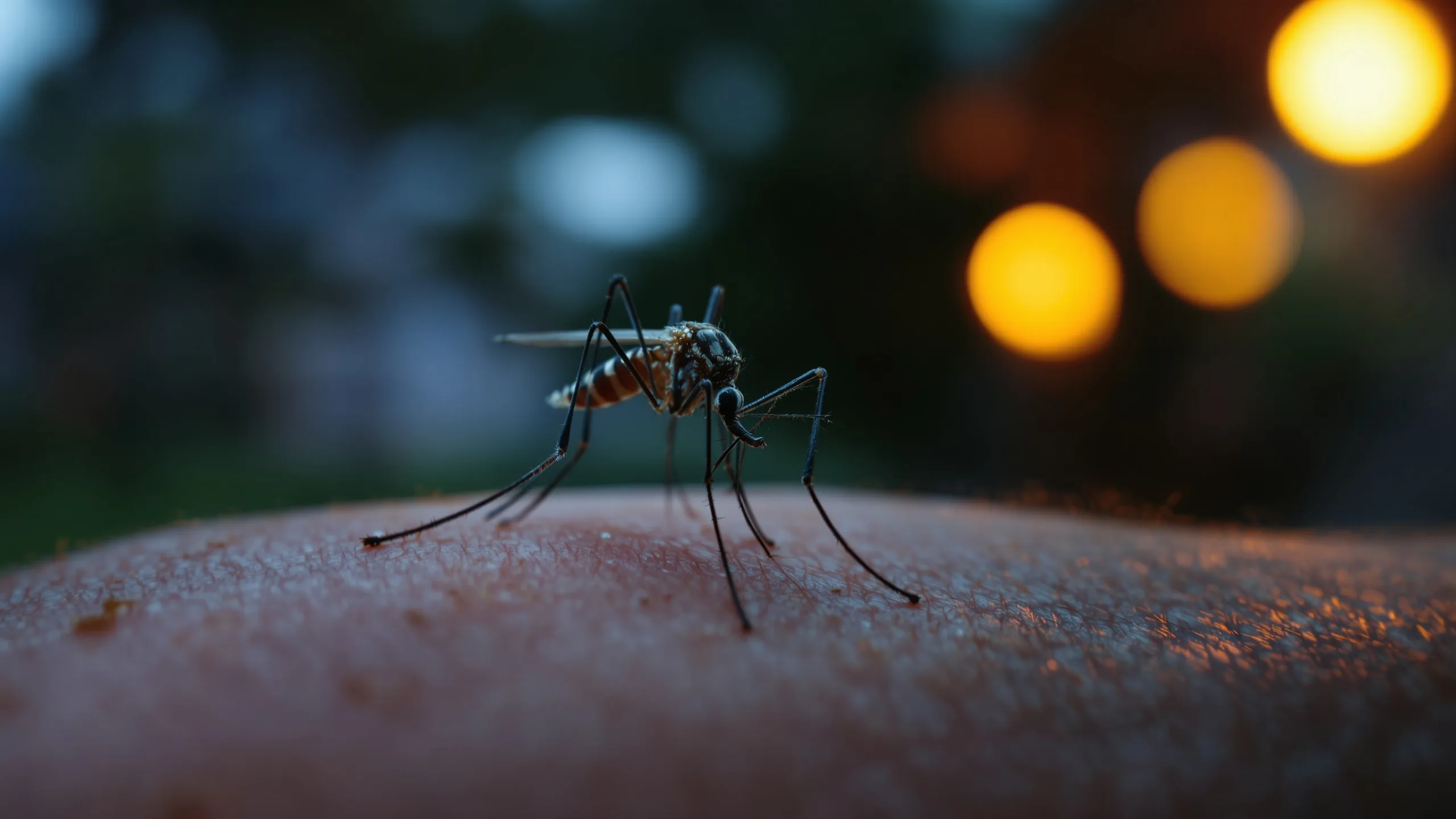
Texas Confirms First West Nile Neuroinvasive Case of 2026 in Harris County
Texas health officials are sounding an early alarm this mosquito season. The Texas Department of State Health Services (DSHS) has confirmed the state's first human case of West Nile virus for 2026—and it's a severe one.
The infected resident lives in Harris County, home to Houston, the fourth-largest city in the United States. What makes this case particularly concerning is that it involves neuroinvasive disease, the most serious form of West Nile infection that can cause inflammation of the brain and spinal cord.
A Pattern of Early Activity
This year's first case arrives with unsettling timing. Public health officials have been warning for weeks that rising temperatures and persistent humidity have created ideal breeding conditions for mosquitoes across the Gulf Coast. The confirmation in Harris County validates those concerns and suggests the 2026 season could follow last year's troubling trajectory.
In 2025, the United States reported 2,076 West Nile cases across 47 states, according to CDC data. Texas consistently ranks among the top five states for infections, with Colorado, Illinois, Minnesota, and California also seeing significant numbers. Harris County, with its sprawling urban environment punctuated by bayous and standing water, has historically been a hotspot for transmission.
Understanding the Risk
West Nile virus spreads through the bite of infected Culex mosquitoes. Most people who become infected experience no symptoms or only mild fever and body aches. However, approximately 1 in 150 develop serious neuroinvasive complications that can include encephalitis, meningitis, or acute flaccid paralysis.
The appearance of a neuroinvasive case this early in the season worries epidemiologists. Typically, severe cases emerge later in summer when viral amplification in the mosquito-bird transmission cycle reaches its peak. An early neuroinvasive diagnosis suggests either higher-than-normal mosquito populations or an accelerated transmission cycle.
What Officials Are Saying
"West Nile and other mosquito-borne illnesses are a fact of life in Texas in the warmer months, and all Texans should take precautions against mosquito bites to stay safe and healthy," said Dr. Jennifer Shuford, DSHS Commissioner, in a statement accompanying the case announcement.
Houston health officials have already begun enhanced mosquito surveillance in the 770XX zip code area where the case was identified. Vector control teams are conducting targeted ground spraying and inspecting standing water sources that serve as breeding grounds.
Protecting Yourself and Your Family
The DSHS recommends the "Four Ds" prevention strategy that has proven effective across Texas communities:
Dusk and Dawn represent peak mosquito activity periods. Limit outdoor exposure during these hours when Culex mosquitoes are most actively feeding.
Dress in long sleeves and pants when venturing into mosquito-prone areas. Light-colored clothing appears to be less attractive to mosquitoes than dark fabrics.
DEET and other EPA-approved repellents provide effective protection when applied according to label directions. Alternatives like picaridin and oil of lemon eucalyptus offer options for those seeking different formulations.
Drain standing water around your property. Flower pots, clogged gutters, bird baths, and even bottle caps can harbor mosquito larvae. The Texas A&M AgriLife Extension emphasizes that eliminating breeding sites on private property remains one of the most impactful community-level interventions.
Looking Ahead
With Memorial Day weekend marking the unofficial start of summer, this case serves as a timely reminder that mosquito season in Texas demands vigilance. The combination of climate conditions, urban development patterns, and bird migration routes makes Harris County particularly susceptible to West Nile transmission.
Health officials urge residents to report dead birds to local authorities, as avian mortality often signals active virus circulation in the environment. Early detection allows vector control districts to target interventions before human cases multiply.
For the latest surveillance data and prevention guidance, Texans can visit the DSHS West Nile virus information page or contact their local health department. With proper precautions, the risk of infection remains manageable even as the 2026 season gets underway with troubling early indicators.
Sources
Texas Bug Slayers Editorial Team
Editorial Board
The Texas Bug Slayers editorial team brings together licensed pest control professionals, entomologists, and writers dedicated to helping Texans protect their homes and families from pests.
Related Articles
West Nile Virus Detected in Three Brazoria County Locations as Mosquito Surveillance Intensifies
Mosquito samples from Pearland, Lake Jackson, and West Columbia test positive for West Nile virus, triggering targeted spraying and renewed public health warnings across Brazoria County.

CDC Warns West Nile Virus Off to Earliest Start Since 2004 as Texas Reports 4 Cases
CDC reports 48 West Nile cases nationwide by June 30—the worst early season in 22 years. Texas ranks second with 4 confirmed cases as health officials urge mosquito precautions.

CDC Issues Urgent July 4 Warning as West Nile Virus Cases Hit Two-Decade High
Federal health officials warn of historic early-season West Nile activity with 48 cases across 23 states, including 38 neuroinvasive infections.