
EPA Unveils Draft Fungicide Strategy to Protect Endangered Species
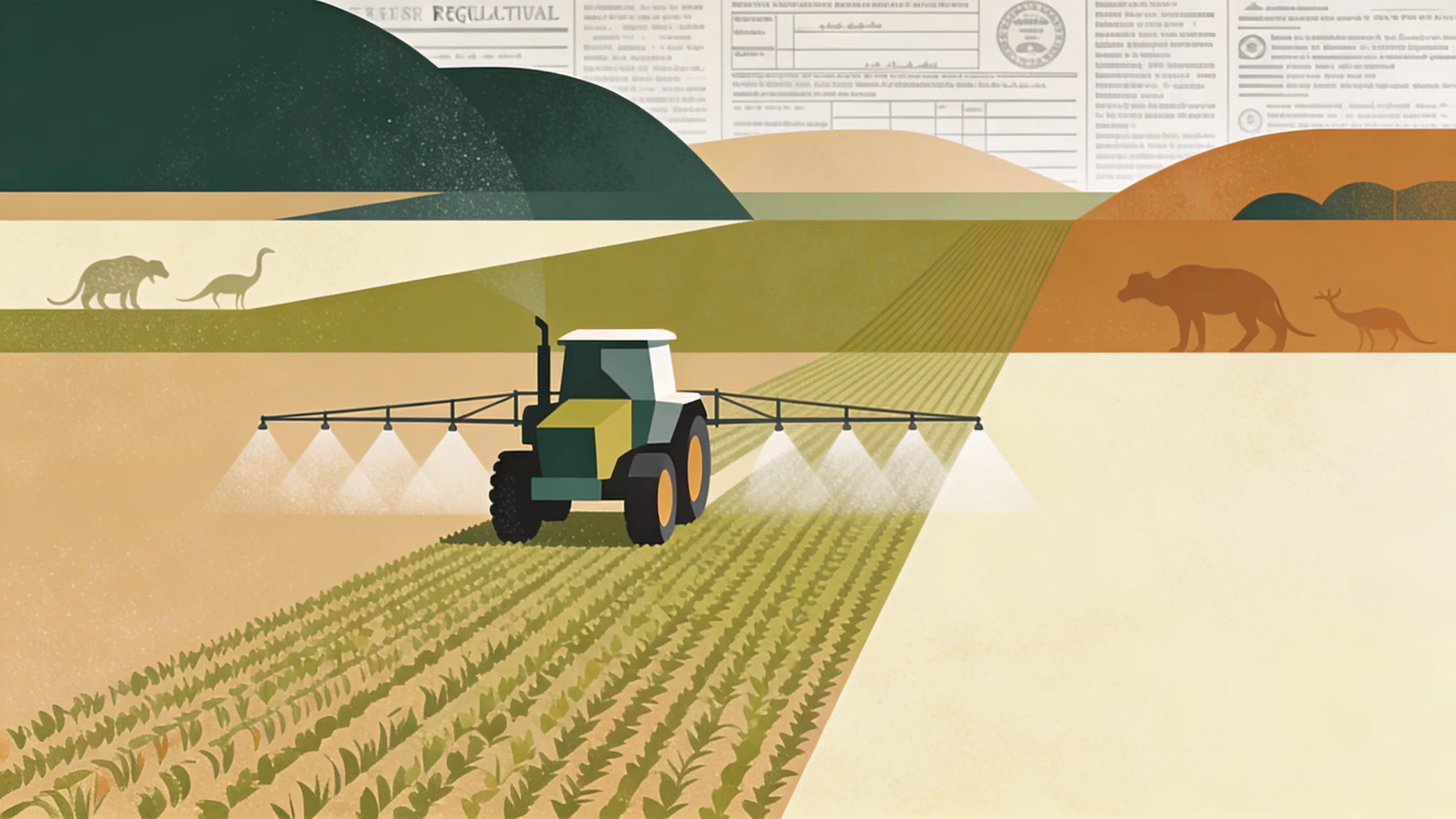
The Environmental Protection Agency has released its draft strategy for determining how growers can minimize harm to endangered species through the use of fungicides, marking the latest step in the agency's ongoing effort to reconcile pesticide regulation with environmental protection obligations.
The strategy, published this week, largely follows frameworks established in previous EPA blueprints for herbicide and insecticide use. It is designed to identify mitigation measures for fungicides based on exposure, toxicity, and use information, which will then be implemented during registration and registration review actions. The approach applies to all states except Hawaii.
For Texas agricultural producers, the strategy carries significant implications. The state ranks among the nation's top producers of crops heavily dependent on fungicide applications, including cotton, sorghum, and various specialty crops. Any new mitigation requirements could affect application timing, buffer zones, and product selection across millions of acres of farmland.
The draft document emerges from a settlement agreement between the EPA, CropLife America, and environmental groups including the Center for Biological Diversity and Pesticide Action Network. That settlement established deadlines for the agency to address its long-standing failure to meet Endangered Species Act obligations.
"EPA's Pesticide Program has struggled for decades with meeting its ESA obligations," the agency acknowledged in its 2022 workplan on the issue. Despite approving over 1,000 pesticide ingredients and thousands of pesticide uses in recent decades, the EPA has met its endangered species obligations for less than 5 percent of those actions.
The fungicide strategy represents the third major blueprint released by the agency, following similar documents for herbicides and insecticides. None of these strategies are "self-implementing"; rather, they will be applied when the EPA evaluates applications for new conventional active ingredient registrations and during conventional registration review decisions.
Industry observers note that the strategy's finalization, expected in November, could trigger label changes for numerous fungicide products currently in use. These changes may include expanded no-spray buffers near critical habitats, seasonal application restrictions, and requirements for alternative application methods in sensitive areas.
The EPA is accepting public comment on the draft strategy through the Federal Register, with stakeholder meetings anticipated in the coming months. Agricultural groups are expected to scrutinize the scientific basis for proposed mitigation measures, while environmental advocates will likely push for more stringent protections.
For pest control operators and agricultural applicators in Texas, staying informed about these regulatory developments will be essential. Changes to fungicide labels and application requirements could affect service offerings, pricing, and compliance protocols across the industry.
The draft strategy is available for review at Regulations.gov under docket EPA-HQ-OPP-2026-2973-0002.
Sources
Texas Bug Slayers Editorial Team
Editorial Board
The Texas Bug Slayers editorial team brings together licensed pest control professionals, entomologists, and writers dedicated to helping Texans protect their homes and families from pests.
Related Articles

EPA Adds 60 Days to Glyphosate Comment Window, Pushing the Review Into 2027
A Federal Register notice published Sept. 28 extends public comment on EPA's glyphosate literature search to Nov. 23, stretching a review Texas growers watch closely.

EPA Unveils New Alternatives to Animal Testing for Pesticide Safety Reviews
EPA announces two major scientific advancements to eliminate mammalian animal testing by 2035, introducing new framework for surfactants and GHS mixtures equation for pesticide risk assessment.

EPA Opens Glyphosate Review for Public Comment as Texas Agriculture Faces Pivotal Weedkiller Decision
EPA seeks peer-reviewed studies on glyphosate health effects through September 24, 2026, as the agency updates its human health risk assessment for the world's most widely used herbicide.