
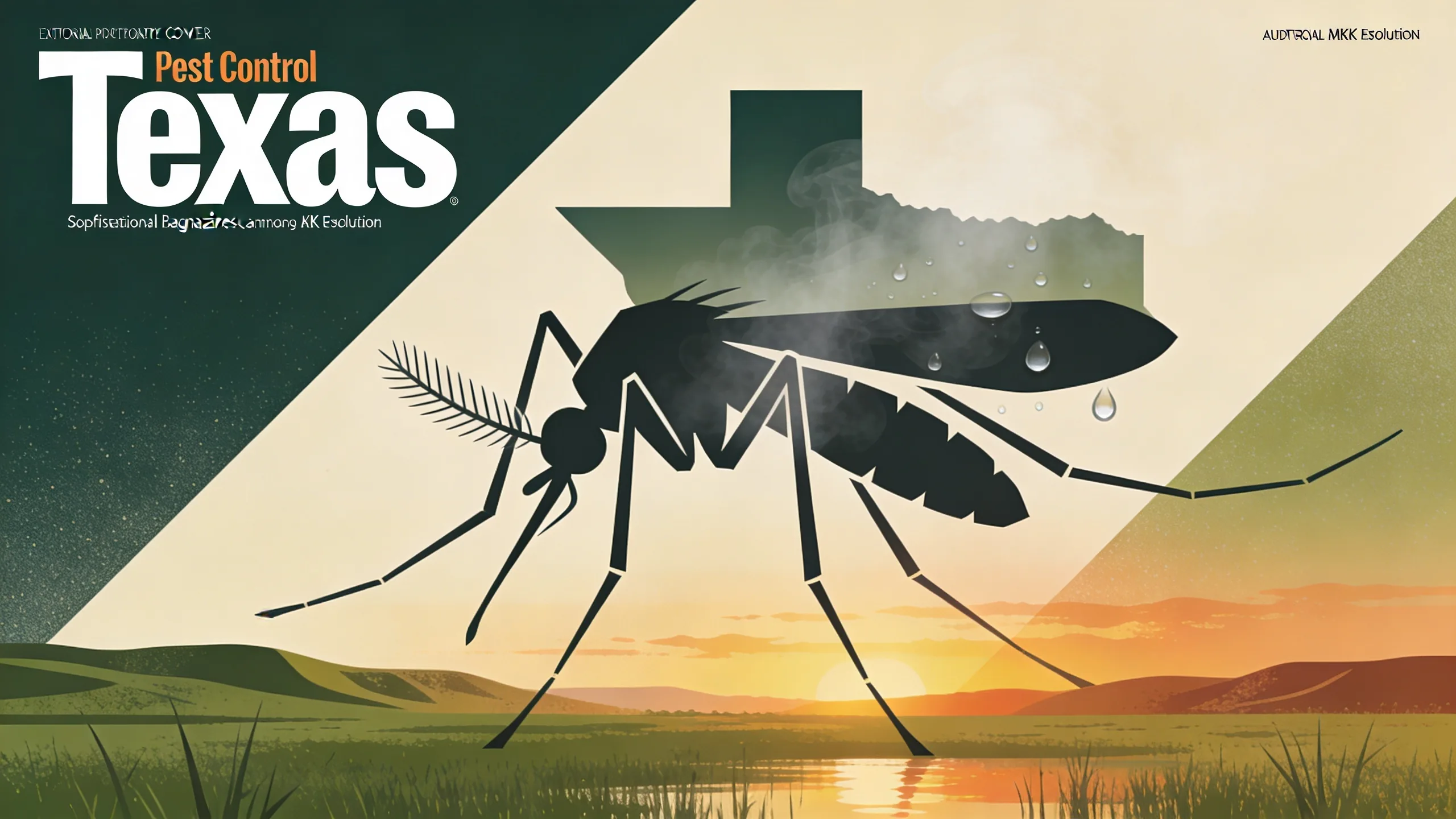
Heat and Humidity Drive Mosquito Surge Across Central Texas
The recent stretch of unseasonably warm and humid weather across Central Texas has transformed evening outdoor activities into defensive operations against swarming mosquitoes. With temperatures consistently hitting the sweet spot for mosquito reproduction and survival, populations have surged throughout the region, prompting health officials to issue warnings about vector-borne disease risks.
"There are over 80 species of mosquitoes in Texas, and they can be found year-round," said Wizzie Brown, entomologist and senior extension program specialist at Texas A&M University. The current conditions, however, have created something of a perfect storm for these insects.
Why This Weather Breeds Mosquitoes
Mosquitoes thrive when temperatures range between 80 and 95 degrees Fahrenheit. Heavy rainfall compounds the problem by creating standing water in puddles, containers and clogged gutters, establishing ideal breeding grounds. High humidity plays a critical supporting role by preventing the dehydration that would otherwise limit mosquito survival.
The population surge typically follows rainfall by one to two weeks, as standing water accumulates and female mosquitoes lay eggs. Even small amounts of water suffice, mosquitoes need as little as one teaspoon to complete their reproductive cycle.
Interestingly, climate change has introduced complexity into Texas mosquito patterns. While longer, warmer and wetter weather extends breeding seasons in many regions, Texas cities have shown different trends. According to Climate Central research, Austin has experienced approximately 29 fewer mosquito-active days annually since the 1990s due to an increase in triple-digit temperatures. When the mercury climbs above 100 degrees, water sources dry up and mosquito activity drops. Similarly, breezy conditions prevent flight, and temperatures below 50 degrees halt mosquito activity entirely.
Despite these natural checks, Brown indicates that current conditions have produced mosquito populations roughly comparable to previous years at this time.
Confirmed Disease Cases
The Texas Department of State Health Services has confirmed disease activity that warrants public attention. Harris County has reported 10 mosquito pools testing positive for West Nile virus as of mid-April. Additionally, three cases of dengue fever have emerged statewide, one each in Tarrant, Bexar and Hidalgo counties.
Last year, Travis and Hays counties recorded human West Nile cases, while Travis, Hays and Williamson counties all documented positive mosquito pools. The current pattern suggests similar geographic distribution may develop this season.
Understanding the Disease Threats
West Nile virus and dengue fever present distinct symptom profiles. Approximately 80 percent of West Nile infections produce no symptoms whatsoever. When symptoms do manifest, they typically remain mild, including fever, headache, body and joint aches, swollen lymph nodes, vomiting, diarrhea or rash. Blood tests or spinal fluid analysis can confirm infection.
Dengue fever follows a different timeline, with flu-like symptoms appearing four to ten days after an infected mosquito bite. These include high fever, headache, muscle and bone pain, pain behind the eyes, swollen glands, rash, and nausea or vomiting. Most patients recover within a week, but severe cases can develop dangerous complications including internal bleeding, organ failure and respiratory distress.
The Four D's of Protection
Health officials emphasize a straightforward prevention framework known as the Four D's:
Drain standing water from buckets, toys, tires, pools, plant pots and clogged gutters. This single action eliminates the breeding sites mosquitoes require.
Dusk and Dawn awareness matters because the mosquitoes that transmit West Nile virus and dengue fever show peak activity during late afternoon, dusk and early morning hours.
Dress in light-colored, loose-fitting clothing with long pants and sleeves when outdoors. Specialized clothing with built-in mosquito repellent offers additional protection.
DEET remains the gold standard for insect repellent. Products containing DEET should be applied to both skin and clothing according to label instructions.
As Central Texas moves deeper into mosquito season, these preventive measures offer the most reliable defense against both nuisance bites and serious disease transmission.
Sources
Texas Bug Slayers Editorial Team
Editorial Board
The Texas Bug Slayers editorial team brings together licensed pest control professionals, entomologists, and writers dedicated to helping Texans protect their homes and families from pests.
Related Articles
West Nile Virus Detected in Hays County: First Positive Mosquitoes Found Near San Marcos
Texas DSHS confirms first West Nile virus positive mosquito pools in Hays County for 2026 season. Health officials urge residents to take precautions as virus spreads across Central Texas.

Williamson County Reports First West Nile Virus Mosquitoes of 2026 Season
Health officials confirm first West Nile virus-positive mosquito trap in Williamson County near Georgetown's Geneva Park, urging residents to follow the '3 Ds' of prevention.
Austin Officials Urge Vigilance as Mosquito Season Kicks Into High Gear
Austin and Travis County health officials launch mosquito season awareness campaign, warning residents about West Nile virus risks and promoting the Four Ds prevention strategy.