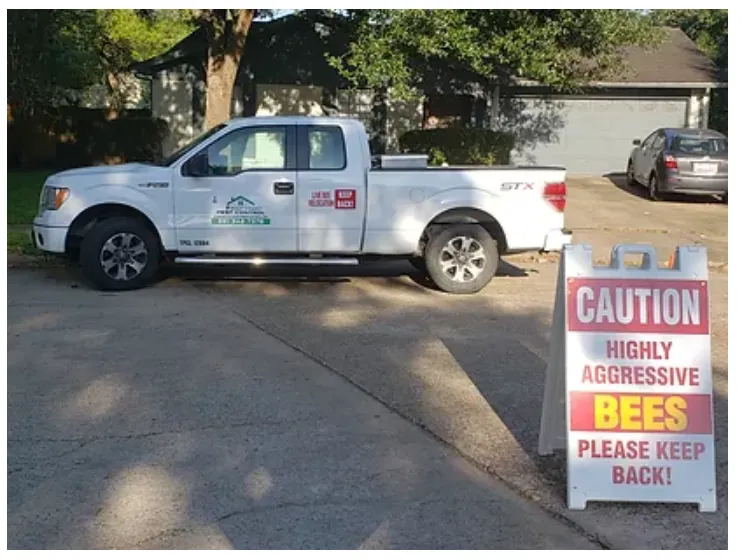
Pest Master Katy | Pest Control
DBA of BETTER BONDS LLC
About Pest Master Katy | Pest Control
Pest Master Katy | Pest Control is a pest control provider based in Richmond, Fort Bend County, Texas. They operate under Structural Pest Control Business License TPCL #956403, issued by the Texas Department of Agriculture.
Their licensed service areas include pest control, and termite treatment.
Pest Master Katy | Pest Control maintains a strong 5-star rating based on 60+ customer reviews, placing them among the highest-rated pest control providers in the Richmond area.
The designated certified applicator for Pest Master Katy | Pest Control is GESKARD ELAKKARI, with GESKARD ELAKKERI serving as the business operator. Texas law requires every pest control company to have a certified applicator responsible for supervising all pest management activities.
How Pest Master Katy | Pest Control Compares in Richmond
Computed from Texas Department of Agriculture license records and public Google review data for 45 active licensed companies in Richmond
#6 of 42
by Google rating among rated companies in Richmond
60+
reviews — more than 61% of rated companies in Richmond
Since 2025
TPCL licensed — earlier than 7% of 45 active licenses in Richmond
The average Google rating across 42 rated pest control companies in Richmond is 4.7 stars; Pest Master Katy | Pest Control stands at 5 based on 60+ reviews. Its business license was first issued in 2025, earlier than 7% of the 45 active licenses held in Richmond today.
What Customers Say About Pest Master Katy | Pest Control
Aggregated from public Google reviews of Pest Master Katy | Pest Control in Richmond, TX
Customers mention
Topics Google aggregates from review text — the number shows how many reviews mention each topic
Business attributes
Service options
- Online estimates
- American Sign Language
Crowd
- LGBTQ+ friendly
Planning
- Appointment required
Pest Control Services in Richmond, TX
Licensed for 2 service categories under TPCL #956403
Pests Treated
Based on the licensed service categories above
Pest Control
· 24 pestsTermite Treatment
· 4 pestsLocation
Business Hours
| Day | Hours |
|---|---|
| Monday | 8 AM to 7 PM |
| Tuesday | 8 AM to 7 PM |
| Wednesday | 8 AM to 7 PM |
| Thursday | 8 AM to 7 PM |
| Friday | 8 AM to 7 PM |
| Saturday | 10 AM to 4 PM |
| Sunday | Closed |
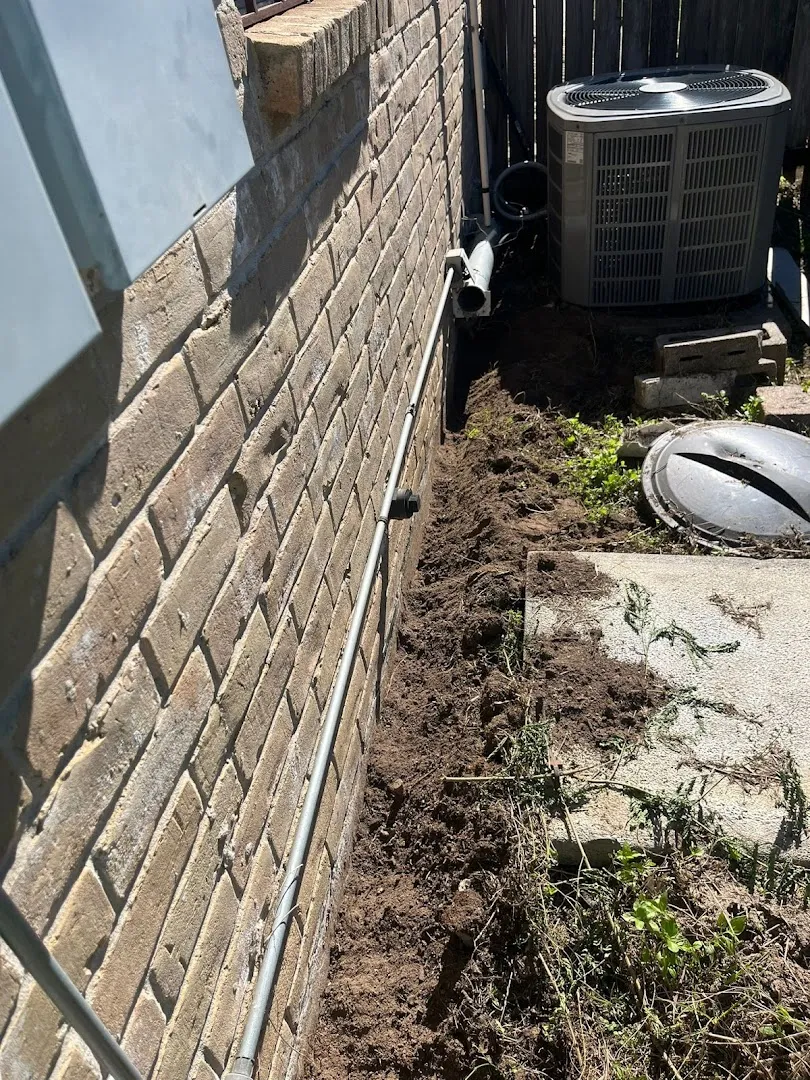
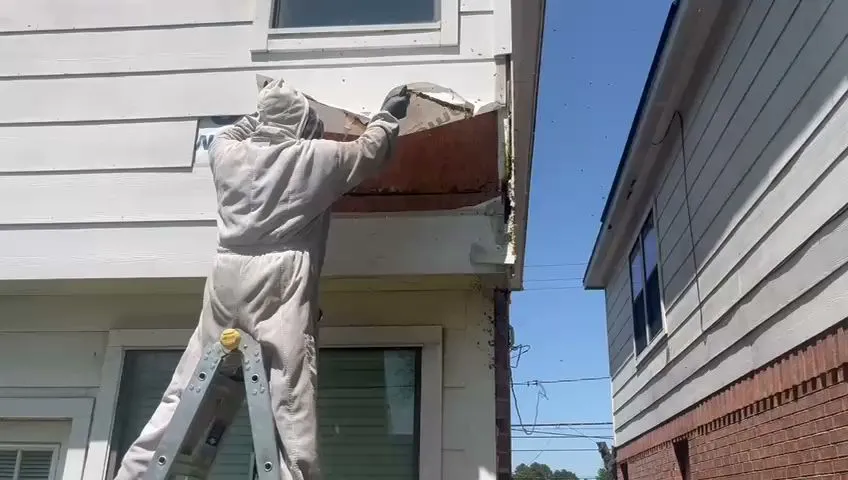
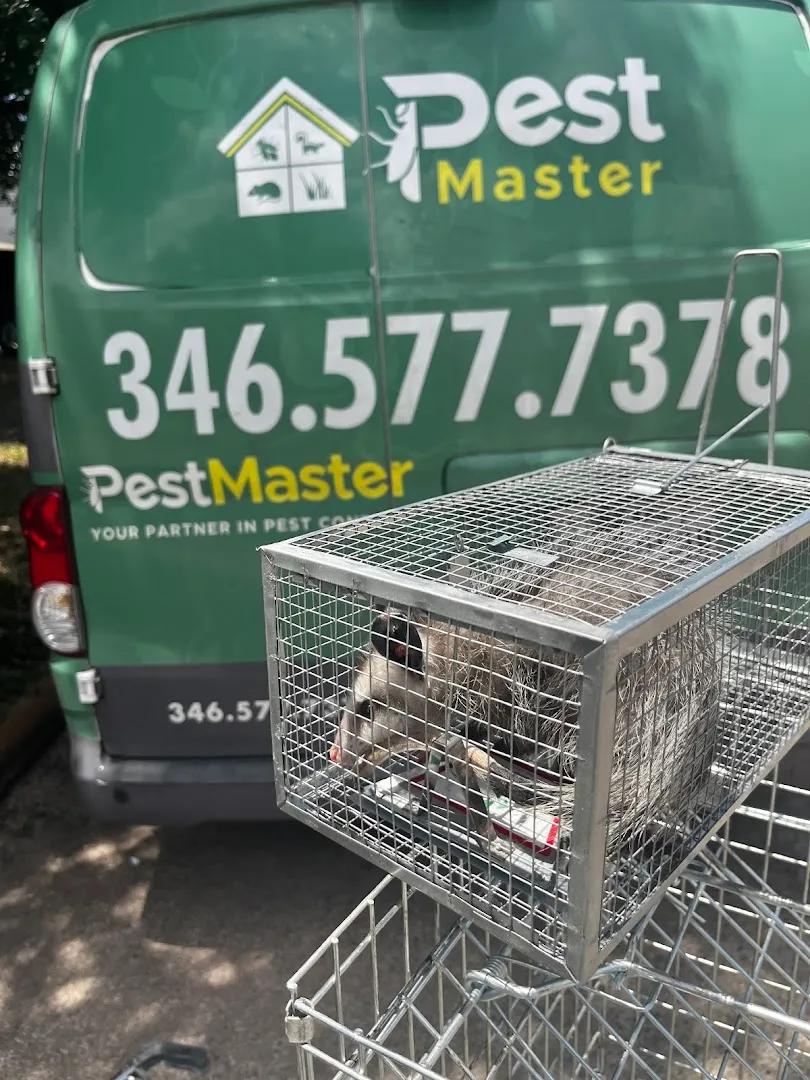
+4 more photos
Texas Pest Control License
- License #
- TPCL #956403
- Issued
- Renewed
- Expires
- Certified Applicator
- GESKARD ELAKKARI
Pest control businesses in Texas are required to hold a Structural Pest Control Business License (TPCL), issued and regulated by the Texas Department of Agriculture (TDA). The information shown here reflects the public TDA licensee record. Last verified: . View on Texas Department of Agriculture
Authorized service categories (2) under this license
General Pest Control (Category P)
Category P authorizes the company to perform general structural pest control services. This is the most common license category and covers the identification, treatment, and prevention of common household and commercial pests.
What this license covers:
- Cockroaches, ants, spiders, silverfish, and crickets
- Bed bugs, fleas, ticks, and mosquitoes
- Wasps, hornets, and other stinging insects
- Scorpions, centipedes, and occasional invaders
- Interior and exterior perimeter treatments
- Preventive pest management programs
Why it matters: Category P is the foundation license for most pest control companies. It ensures the company has trained technicians who understand pest biology, proper pesticide application, and safety protocols for treating homes and businesses.
Termite Treatment (Category T)
Category T authorizes the company to inspect for, treat, and prevent termite infestations. This is a specialized license requiring additional training in termite biology, soil treatment, and structural assessment.
What this license covers:
- Subterranean termite treatment (liquid barriers and bait systems)
- Drywood termite treatment (localized and whole-structure)
- Formosan termite identification and treatment
- Pre-construction termite prevention for new buildings
- Termite inspections and WDI (Wood-Destroying Insect) reports
- Annual monitoring and warranty programs
Why it matters: Termite treatment requires specialized knowledge of soil chemistry, building construction, and treatment techniques. An incorrect application can fail to protect the structure or cause environmental damage. The T category ensures the company meets TDA standards for termite work.
Frequently Asked Questions
Common questions about pest control services in Richmond, TX
Is Pest Master Katy | Pest Control a licensed pest control company?
Yes. Pest Master Katy | Pest Control holds an active Structural Pest Control Business License, TPCL #956403, issued by the Texas Department of Agriculture. The license was first issued on March 14, 2025 and is valid through March 31, 2027. The certified applicator responsible for the license is GESKARD ELAKKARI.
What services is Pest Master Katy | Pest Control licensed to provide?
Pest Master Katy | Pest Control is licensed by the Texas Department of Agriculture for 2 service categories: pest control, and termite treatment. Each category is a separate authorization on TPCL #956403, so the company may only perform work it is explicitly licensed for.
How does Pest Master Katy | Pest Control compare to other pest control companies in Richmond?
Among the 42 rated pest control companies in Richmond, Pest Master Katy | Pest Control ranks #6 by Google rating (5 stars vs. a local average of 4.7). Its 64 customer reviews put it ahead of 61% of local rated companies by review volume. The company has held its TPCL license since 2025, longer than 7% of active licensees in Richmond.
Is Pest Master Katy | Pest Control open on weekends?
Pest Master Katy | Pest Control is open on Saturdays (10 AM to 4 PM) but closed on Sundays. Hours reflect the company’s current Google Business Profile and may change on holidays.
What areas does Pest Master Katy | Pest Control serve?
Pest Master Katy | Pest Control is based at 5826 New Territory Blvd Suite 956, Sugar Land, TX 77479 in Richmond, FORT BEND County, Texas. Pest control companies typically serve customers within a 20–30 mile radius, so nearby communities across FORT BEND County are usually within its service area. Call ahead to confirm coverage for your address.
What time of year is best for pest control in Texas?
In Texas, pest control is important year-round due to the warm climate. Spring and early summer see increased activity from ants, termites, mosquitoes, and wasps. Fall brings rodents seeking shelter indoors. Winter is ideal for preventive treatments and termite inspections when pest pressure is lowest.
Can I report a pest control company in Texas?
Yes. Complaints against licensed pest control companies can be filed with the Texas Department of Agriculture. You can report unlicensed operators, unsafe practices, or unsatisfactory service. The TDA investigates complaints and can take enforcement action including fines and license suspension.
What pests does general pest control cover?
General pest control (Category P) covers common household pests including cockroaches, ants, spiders, silverfish, earwigs, crickets, centipedes, and occasional invaders. Some companies include mosquito and flea treatments in their general service, while others offer these as add-ons.
How do I get rid of fleas in my home?
Effective flea elimination requires treating three areas simultaneously: pets (consult your veterinarian), the home interior (professional spray targeting carpet, furniture, and pet resting areas), and the yard (outdoor treatment of shaded areas). A single flea can lay 50 eggs per day, so complete treatment is essential to break the life cycle.
- TPCL #
- 956403
- License Type
- P — Pest ControlT — Termite Treatment
- Issued
- Renewed
- Expires
- Insurance Exp.
- Operator
- GESKARD ELAKKERI
- Applicator
- GESKARD ELAKKARI
- Legal Name
- BETTER BONDS LLC
Licensed by the Texas Department of Agriculture. Verify at texasagriculture.gov
Pest Control Companies Near Pest Master Katy | Pest Control
The closest licensed alternatives by straight-line distance from Pest Master Katy | Pest Control in Richmond

Healthy Home Pros
Texas Shield Pest Control LLC

Quest Pest Control, LLC
Bulls-Eye Pest & Termite Control, Inc.

Integrated Pest Management, Inc.