DIAMONDBACK Service Management
DBA of DAMON K PIERCE
About DIAMONDBACK Service Management
DIAMONDBACK Service Management has been providing licensed pest control services in Conroe, Texas since 2001. With 25 years of operation under Texas Department of Agriculture license TPCL #567829, they serve residential and commercial customers across Montgomery County.
The company is licensed for 4 TDA service categories, including pest control, termite control, lawn & ornamental, and weed control. Each category is a separate state authorization covering a distinct type of pest management work.
Customers have rated DIAMONDBACK Service Management 5 out of 5 stars, with 5 reviews reflecting their service track record in Conroe.
The designated certified applicator for DIAMONDBACK Service Management is DAMON K PIERCE. Texas law requires every pest control company to have a certified applicator responsible for supervising all pest management activities.
How DIAMONDBACK Service Management Compares in Conroe
Computed from Texas Department of Agriculture license records and public Google review data for 48 active licensed companies in Conroe
#24 of 44
by Google rating among rated companies in Conroe
5
reviews — more than 2% of rated companies in Conroe
Since 2001
TPCL licensed — earlier than 83% of 48 active licenses in Conroe
1 of 12
companies in Conroe licensed for weed control
The average Google rating across 44 rated pest control companies in Conroe is 4.9 stars; DIAMONDBACK Service Management stands at 5 based on 5 reviews. Its business license was first issued in 2001, earlier than 83% of the 48 active licenses held in Conroe today.
Licensed Categories
Official categories shown in the TDA license record for TPCL #567829
Pest Control
PGeneral pest management for common household pests including roaches, ants, spiders, and more
Termite Control
TInspection, treatment, and prevention of subterranean, drywood, and Formosan termites
Lawn & Ornamental
LLawn pest control, grub treatment, fire ant yard management, and landscape protection
Weed Control
WHerbicide treatment of weeds around homes, buildings, rights-of-way, and industrial areas
Also listed on Google as
Specific Services
Specific services have not yet been independently confirmed for DIAMONDBACK Service Management. Contact the provider to confirm rodent control, bed bug treatment, termite treatment, mosquito control or other specialized work. The licensed categories above define what the company is legally authorized to do — not a confirmed service menu.
Location
Business Hours
| Day | Hours |
|---|---|
| Monday | 8 AM to 5 PM |
| Tuesday | 8 AM to 5 PM |
| Wednesday | 8 AM to 5 PM |
| Thursday | 8 AM to 5 PM |
| Friday | 8 AM to 5 PM |
| Saturday | 8 AM to 12 PM |
| Sunday | Closed |
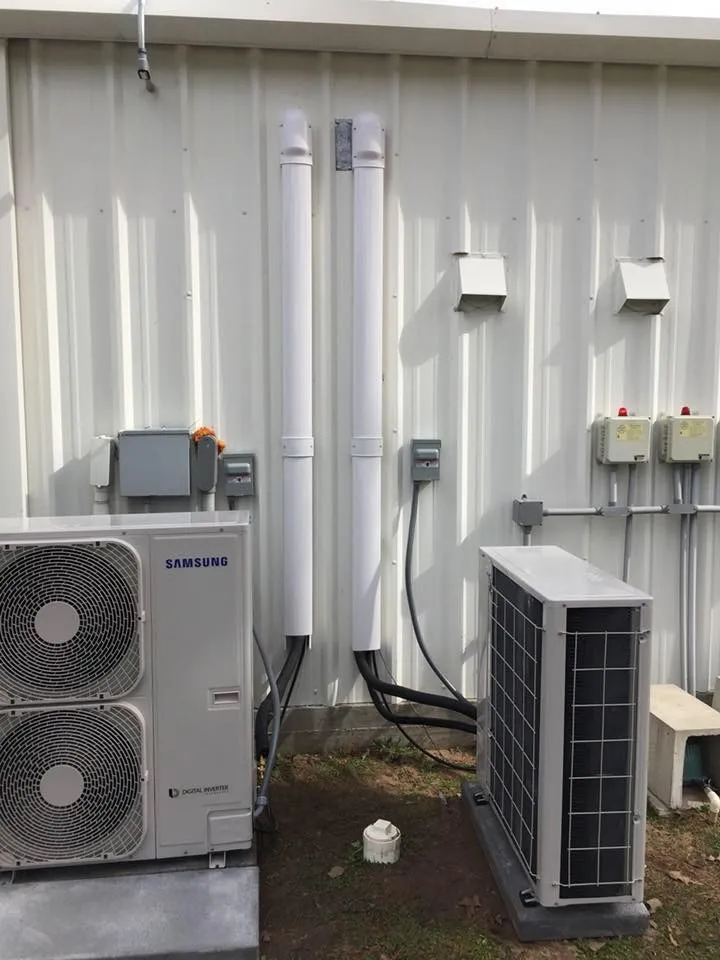
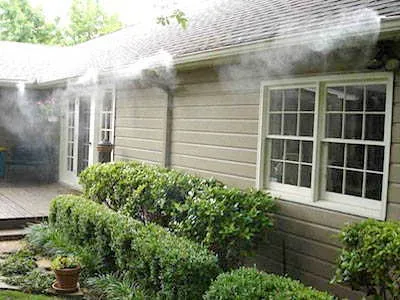
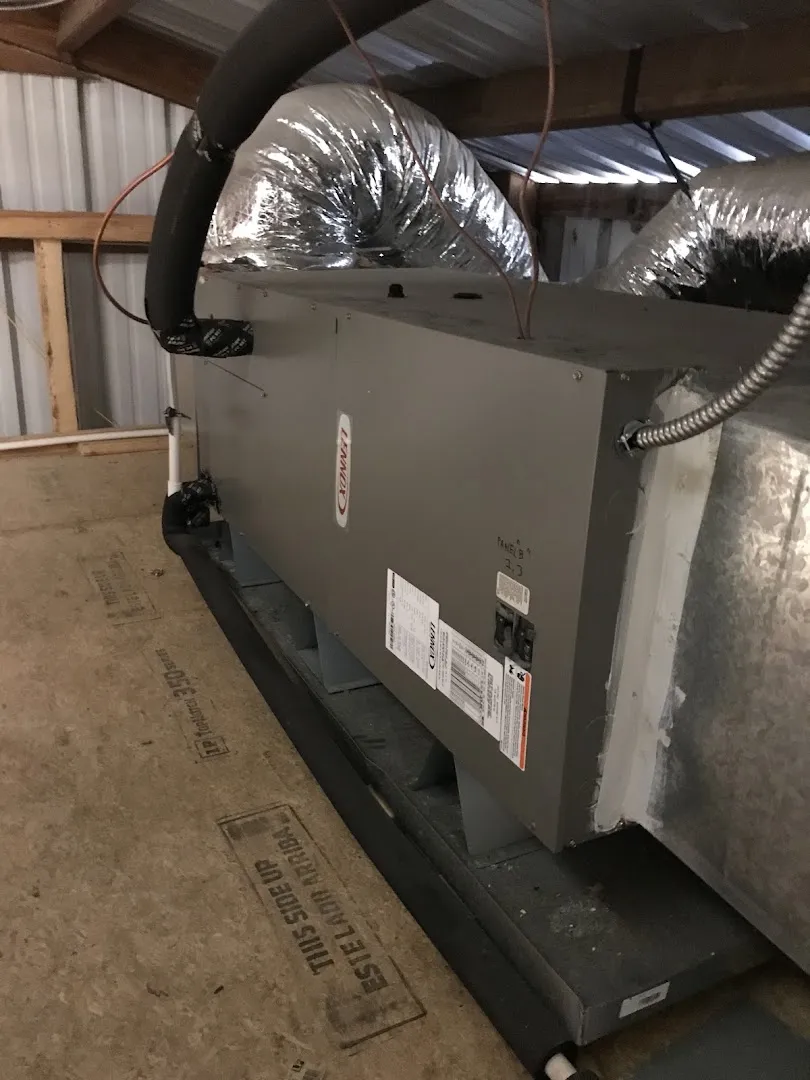
+4 more photos
Texas Pest Control License
- License #
- TPCL #567829
- Issued
- Renewed
- Expires
- Certified Applicator
- DAMON K PIERCE(#41487)
Pest control businesses in Texas are required to hold a Structural Pest Control Business License (TPCL), issued and regulated by the Texas Department of Agriculture (TDA). The information shown here reflects the public TDA licensee record. Last checked against the TDA registry: . View on Texas Department of Agriculture
Authorized service categories (4) under this license
Pest Control (Category P)
Category P authorizes the company to perform general structural pest control services. This is the most common license category and covers the identification, treatment, and prevention of common household and commercial pests — officially including nuisance animals such as rats, mice, skunks, raccoons, and opossums (4 TAC §7.124(1)).
What this license covers:
- Cockroaches, ants, spiders, silverfish, and crickets
- Bed bugs, fleas, ticks, and mosquitoes
- Rats, mice, and rodent control
- Nuisance animals: skunks, raccoons, opossums
- Wasps, hornets, and other stinging insects
- Interior and exterior perimeter treatments
Why it matters: Category P is the foundation license for most pest control companies. It ensures the company has trained technicians who understand pest biology, proper pesticide application, and safety protocols for treating homes and businesses.
Termite Control (Category T)
Category T authorizes the company to inspect for, treat, and prevent termite and other wood-destroying insect infestations. This is a specialized license requiring additional training in termite biology, soil treatment, and structural assessment.
What this license covers:
- Subterranean termite treatment (liquid barriers and bait systems)
- Drywood termite treatment (localized and whole-structure)
- Formosan termite identification and treatment
- Pre-construction termite prevention for new buildings
- Termite inspections and WDI (Wood-Destroying Insect) reports
- Annual monitoring and warranty programs
Why it matters: Termite treatment requires specialized knowledge of soil chemistry, building construction, and treatment techniques. An incorrect application can fail to protect the structure or cause environmental damage. The T category ensures the company meets TDA standards for termite work.
Lawn & Ornamental (Category L)
Category L authorizes the inspection and control of pests and diseases of lawns, ornamental plants, and trees — in parks and around homes, businesses, industrial sites, and streets. It is the outdoor plant-pest category, separate from structural pest control.
What this license covers:
- Fire ant treatment and yard management
- Grub and chinch bug treatment in turf
- Mosquito yard treatments and barrier sprays
- Flea and tick outdoor applications
- Tree and ornamental insect and disease treatment
- Lawn pest prevention programs
Why it matters: Lawn and ornamental pesticide application requires understanding of turf grass species, plant sensitivity, environmental considerations like runoff, and proper timing for effective treatment. The L category ensures the applicator is trained in outdoor-specific pest management. Herbicide weed work is licensed separately under category W.
Weed Control (Category W)
Category W authorizes the inspection and control of weeds in rights-of-way, around homes, in parks, and in and around structures, business establishments, industrial parks, institutional buildings, streets, and industrial environs. It is the herbicide category — TDA does not issue a wildlife removal license.
What this license covers:
- Pre-emergent herbicide applications (crabgrass, annual bluegrass)
- Post-emergent broadleaf weed spot treatments
- Fence line, driveway, and hardscape vegetation management
- Commercial and industrial bare-ground programs
- Rights-of-way weed control
- Bundled lawn weed and feed programs
Why it matters: Herbicide application requires training in product selection, turf sensitivity, drift management, and environmental protection. The W category ensures the applicator passed the TDA weed control examination. Looking for animal removal? That work is covered by the Pest Control (P) category or is exempt from TDA licensing when done with live traps.
License History
Historical tracking started on March 16, 2026. Any changes detected in future TDA reports will appear here.
Frequently Asked Questions
Answers about DIAMONDBACK Service Management from its TDA license record and public business data
Is DIAMONDBACK Service Management a licensed pest control company?
Yes. DIAMONDBACK Service Management holds an active Structural Pest Control Business License, TPCL #567829, issued by the Texas Department of Agriculture. The license was first issued on October 16, 2001 and is valid through September 30, 2027. The certified applicator responsible for the license is DAMON K PIERCE. Last checked against the TDA registry on October 18, 2026.
What services is DIAMONDBACK Service Management licensed to provide?
DIAMONDBACK Service Management is licensed by the Texas Department of Agriculture for 4 service categories: pest control, termite control, lawn & ornamental, and weed control. Each category is a separate authorization on TPCL #567829, so the company may only perform work it is explicitly licensed for. Notably, it is one of only 12 of the 48 active companies in Conroe licensed for weed control.
Which specialized services are confirmed for DIAMONDBACK Service Management?
No specialized services have been independently confirmed for DIAMONDBACK Service Management yet. Its TDA license authorizes pest control, termite control, lawn & ornamental, weed control — that is a legal authorization, not a confirmed service menu. Contact the company to confirm rodent, bed bug, termite, or other specialized treatments.
Where is DIAMONDBACK Service Management located and what areas does it serve?
DIAMONDBACK Service Management is based at 28345 W Farm To Market 1097, Montgomery, TX 77356 in Conroe, MONTGOMERY County, Texas. The exact service area is not published in the license record and has not been independently verified. Call DIAMONDBACK Service Management to confirm coverage for your address before scheduling.
How does DIAMONDBACK Service Management compare to other pest control companies in Conroe?
Among the 44 rated pest control companies in Conroe, DIAMONDBACK Service Management ranks #24 by Google rating (5 stars vs. a local average of 4.9). Its 5 customer reviews put it ahead of 2% of local rated companies by review volume. The company has held its TPCL license since 2001, longer than 83% of active licensees in Conroe.
Is DIAMONDBACK Service Management open on weekends?
DIAMONDBACK Service Management is open on Saturdays (8 AM to 12 PM) but closed on Sundays. Hours reflect the company’s current Google Business Profile and may change on holidays.
Looking for general pest advice? Browse our pest guides and Texas price guides.
- TPCL #
- 567829
- SPCB TPCL #
- 12156
- License Type
- P — Pest ControlT — Termite ControlL — Lawn & OrnamentalW — Weed Control
- Issued
- Renewed
- Expires
- Insurance Exp.
- Last Checked
- Oct 18, 2026
- Operator
- DAMON K PIERCE
- Applicator
- DAMON K PIERCE
- Applicator Lic.
- #41487
- Legal Name
- DAMON K PIERCE
Licensed by the Texas Department of Agriculture. Verify at texasagriculture.gov
Found in the latest Texas Department of Agriculture report with an active license.
TPCL Registry (TDA)- CityConroe
- CountyMONTGOMERY
- ZIP77356
- Services4
- Reviews5
Pest Control Companies Near DIAMONDBACK Service Management
The closest licensed alternatives by straight-line distance from DIAMONDBACK Service Management in Conroe

Luxe Lawnscape, LLC
American Turf & Pest Titans, Inc.
Greer Pest Solutions
Army Ant Pest & Termite

Morris Pest Control