
First Wild Screwworm Fly Trapped in Texas as USDA Logs Brewster County Detection
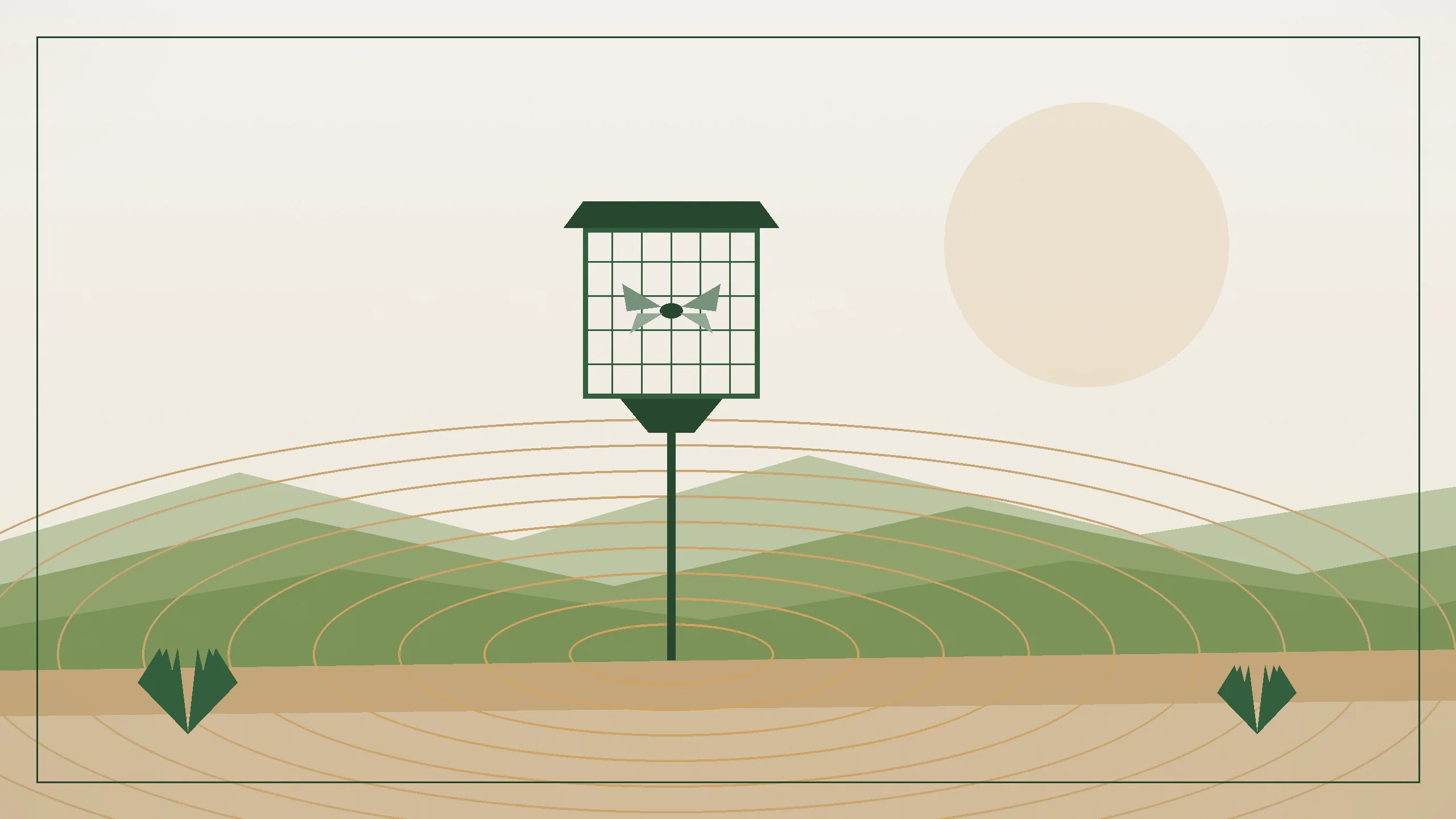
Every screwworm confirmation in Texas since June 3 arrived the same way: larvae pulled out of a wound. A newborn calf's navel near La Pryor. A shearing cut on a sheep in Terrell County. A working horse's leg in Presidio County. The record USDA added to its case-level dashboard on September 25 breaks that streak. Its case type reads "fly trap," its county is Brewster, and no animal appears anywhere in the entry.
For the first time since the parasite returned to the United States, the detection came from the environment rather than from a host. Bloomberg reported the finding Monday.
Nobody is calling it a setback. A wild adult fly in a trap is not a new infestation, and it does not add a county to the case list on its own. But it is direct evidence that screwworm flies were on the wing in the Big Bend in late September, weeks after the state's case count stopped climbing — and it is exactly the kind of record the surveillance network exists to produce.
Why a trap catch matters more than it sounds
The trap grid is the quiet half of this response. More than 8,000 traps were deployed across the infested zone by late June, and by then crews had screened roughly 59,000 samples. Traps are what let USDA and the Texas Animal Health Commission claim that a county has been cleared: sterile-fly releases knock down the wild population, and the grid is how officials find out whether the population is actually gone.
That is why trap data, not animal case counts, supports every quarantine release this fall. When TAHC lifted its first infested zones on August 31 — areas of Gillespie, Kerr, Kimble, La Salle and Webb counties — the agency pointed to surveillance as the basis for confidence. A catch in Brewster County cuts the other way. It says wild flies are still out there.
Brewster has been in this fight since July 12, when it became the outbreak's far-West Texas front. Four cattle cases followed within weeks. Parts of the county remain inside TAHC's movement-restricted zone, and the Big Bend's sparse, sprawling ranches — sheep, goats and cattle on country that takes hours to cross — are among the hardest in Texas to monitor closely.
The numbers around the catch are otherwise encouraging. USDA's dashboard now carries 51 records: 48 Texas animal cases, two New Mexico animal cases, and the Brewster trap collection. Only three remain active — the fly from Brewster, the Presidio County horse confirmed September 9, and a horse in Grant County, New Mexico, confirmed September 17. Texas has not recorded a new animal infestation in nineteen days, its longest lull since June.
The same week brought other markers of progress. Texas lifted quarantine zones across several South and Central Texas counties. The Santa Teresa livestock crossing in New Mexico reopened to Mexican cattle after a year-long closure, restarting a trade corridor worth roughly $1.2 billion. USDA confirmed it has released more than one billion sterile flies in Texas since February, and its Grand Challenge program began routing research money to Texas teams working on wound treatments and trap lures.
So the fall picture is two currents running at once: fewer infestations, and a parasite that is still detectable on the landscape.
What ranchers should take from it
Nothing in the playbook changes. Inspect animals weekly, with attention to navels, ear tags, shearing and branding sites and any open wound. Treat wounds promptly with an approved product. Report anything suspicious to TAHC or a veterinarian, because every case this season started with someone who looked closely.
What the trap catch does change is the assumption that a quiet month means the coast is clear. Wounds heal, animals get sold, and case counts go flat — traps keep working, including in counties whose restrictions have already been lifted. Landowners should expect continued trapping and sterile-fly dispersal on their property through the fall.
Cold weather is still the response's best ally. Sustained freezes sharply reduce fly activity, which is when the sterile-insect barrier does its most damage to a shrinking wild population. South Texas and the Rio Grande Valley rarely get cold enough for that, and horses and wildlife move year-round, so the surveillance net has to hold through the winter regardless.
One insect in a mesh cube is a small thing to log. But records like this one decide whether the eradication campaign can eventually be declared finished — and whether the next detection arrives in a trap, or in a wound.
Our Texas screwworm tracker carries the running case count, county map and zone changes, updated with each USDA confirmation.
Sources
Texas Bug Slayers Editorial Team
Editorial Board
The Texas Bug Slayers editorial team brings together licensed pest control professionals, entomologists, and writers dedicated to helping Texans protect their homes and families from pests.
Related Articles
USDA Unveils Quarterly Review Roadmap for Screwworm Response Playbook
USDA APHIS shares comprehensive roadmap for quarterly reviews of New World Screwworm Response Playbook as parasite cases reach 45 infestations across Texas and New Mexico.
FDA Grants Emergency Use of Wound Spray as Texas Screwworm Fight Gains a Second Drug
FDA issues Emergency Use Authorization for Elanco's CLiK Extra dicyclanil wound spray to prevent New World screwworm in cattle, horses, sheep, goats, swine and wildlife.
Screwworm Count Reaches 44 as Brewster County Adds Two More Cases and the Infested Zone Extends Into Presidio
USDA's dashboard now lists 44 confirmed New World screwworm cases — 43 in Texas — after two cattle cases in Brewster County and a sheep in Pecos County closed out July. TAHC has extended the infested zone into Presidio County, bringing movement restrictions to parts of 23 counties.