
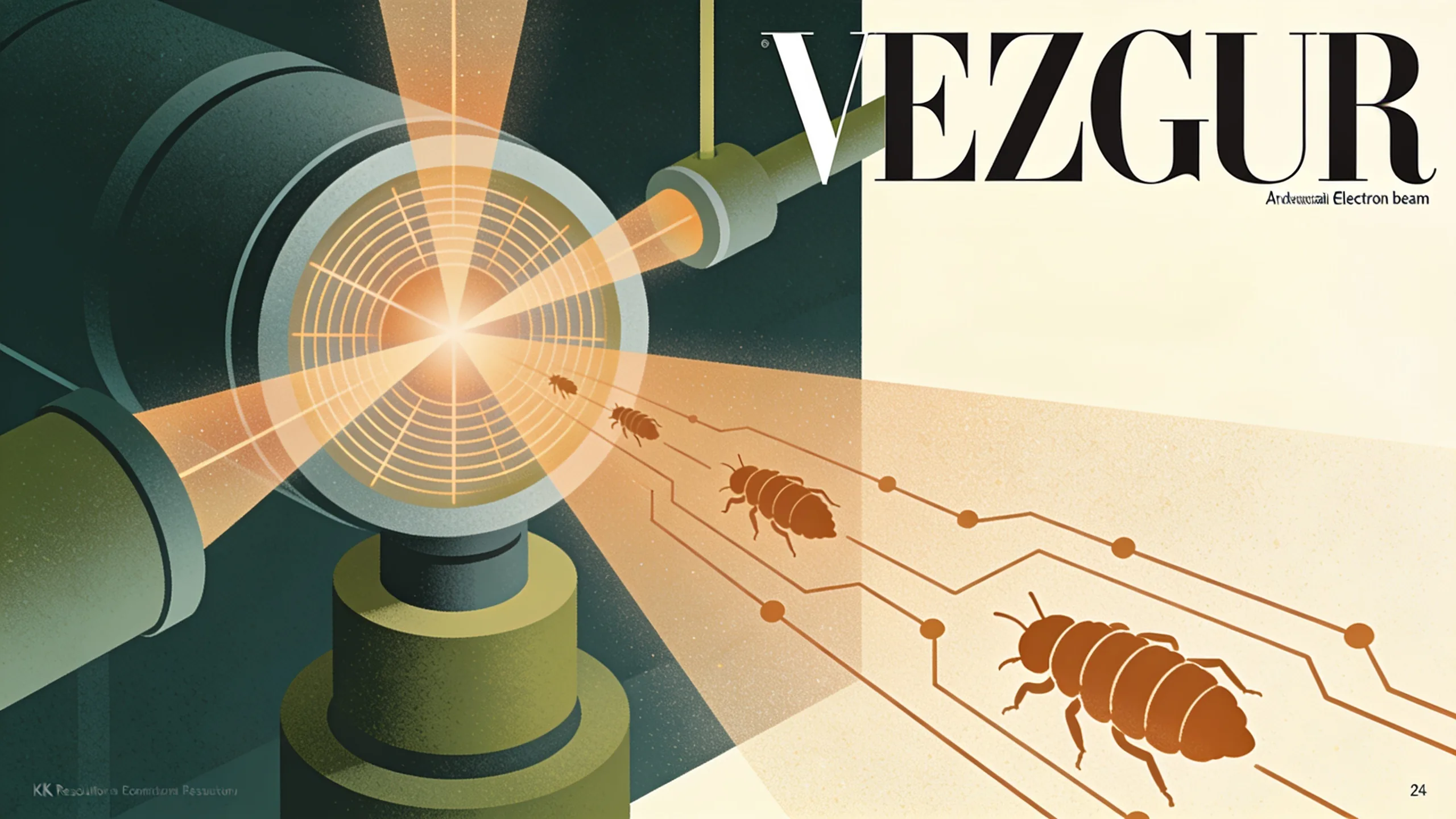
Texas A&M AgriLife Develops Electron Beam Technology to Combat Screwworm Without Radiation
For decades, the fight against New World screwworm has relied on a single, proven method: flooding affected regions with sterile flies produced using cobalt-60 gamma irradiation. Now Texas A&M AgriLife Research is pioneering a radical alternative that could transform how the livestock industry combats one of its most destructive parasites—without relying on radioactive materials.
Our live Texas screwworm case tracker keeps the running count and county map as USDA updates land.
The electron beam, or eBeam, technology represents a significant departure from traditional sterilization methods. Instead of using cobalt-60 gamma radiation to sterilize screwworm pupae, researchers are exploring whether high-energy electron beams can achieve the same biological effect. The implications extend beyond pest control into operational logistics and safety protocols for sterile insect technique programs.
This research operates alongside Texas A&M AgriLife's broader involvement in the USDA's $105 million New World Screwworm Grand Challenge initiative. While the agency announced 40 funded projects in mid-June, the electron beam study was already underway as a separate USDA-funded initiative assessing feasibility, efficacy, and operational readiness for deployment in the field.
The sterile insect technique has remained fundamentally unchanged since its development in the 1950s. Massive numbers of male flies are sterilized and released to mate with wild females, producing no offspring and gradually collapsing the population. The method eradicated screwworm from the United States in the 1960s and has maintained a biological barrier across Central America ever since.
But cobalt-60 sources require specialized handling, security protocols, and regulatory oversight that complicate field operations. Electron accelerators, by contrast, produce radiation only when powered and present no persistent radioactive hazard. For remote field stations and international cooperative programs, this distinction matters significantly.
Dr. David S. G. G. and colleagues at Texas A&M AgriLife Research are evaluating whether electron beam sterilization can match the reliability and biological effectiveness of gamma irradiation. The research examines dosage precision, pupae survival rates, and—critically—whether eBeam-sterilized males remain competitive in mating with wild females. Any reduction in male vigor or mating success would undermine the entire approach.
The timing is not coincidental. Since the first U.S. screwworm detection in 60 years was confirmed in Texas on June 3, 2026, federal and state agencies have scrambled to contain the outbreak while preventing re-establishment of permanent populations. Cases have now been confirmed across multiple Texas counties, with the infested zone expanding despite aggressive intervention.
Texas A&M AgriLife's electron beam project is one of 14 research initiatives the institution is leading or collaborating on through the Grand Challenge program. Other projects include developing nanomaterial-based RNA biopesticides, using artificial intelligence for early wound detection on livestock, and creating non-invasive technology to detect screwworm larvae and determine their sex.
The Grand Challenge framework organizes research into four priority areas: improving sterile fly production, developing better traps and attractants, creating new treatments for infested livestock, and expanding preparedness through surveillance and predictive modeling.
Electron beam technology fits squarely within the first category. If successful, it could reduce costs and logistical barriers for sterile fly production facilities, potentially enabling more rapid response to emerging outbreaks. The technology might also prove applicable to other sterile insect programs targeting agricultural pests.
For Texas ranchers currently dealing with active screwworm cases, the research offers longer-term promise rather than immediate relief. The current response relies on traditional sterile fly releases, quarantine protocols, and wound treatment for affected animals. But as the outbreak continues, tools that improve the efficiency and flexibility of biological control become increasingly valuable.
The New World screwworm poses a multibillion-dollar threat to U.S. livestock production if it becomes permanently re-established. Each female fly can lay hundreds of eggs in open wounds, and larvae feed on living tissue rather than dead flesh like common blow flies. Infestations cause severe suffering, secondary infections, and death if untreated.
Texas A&M AgriLife's research portfolio reflects the multifaceted nature of the threat. Beyond electron beam sterilization, scientists are working on improved chemical lures for surveillance traps, radiation-free sterile insect technologies, male-only screwworm strains, and smart trap systems with public reporting capabilities.
The electron beam study exemplifies how agricultural research often advances through incremental technological improvements rather than dramatic breakthroughs. Replacing cobalt-60 with electron accelerators may not capture headlines like genetic engineering or AI applications, but operational reliability and field practicality determine whether pest control programs succeed or fail.
For now, the research continues in controlled laboratory and pilot settings. Validation of electron beam sterilization for operational deployment would require extensive field trials and regulatory approval. But the work positions Texas A&M AgriLife at the forefront of developing next-generation tools for protecting American agriculture from invasive pests.
Livestock owners in affected areas should continue following current biosecurity recommendations: inspect animals daily for wounds, report suspected infestations immediately, and maintain contact with veterinary services. The electron beam research will not change immediate response protocols, but it may shape how future outbreaks are prevented and contained.
As federal agencies and Texas officials work to eradicate the current outbreak, the research pipeline ensures that tomorrow's tools will be more effective than today's. In the ongoing battle between agriculture and invasive species, technological adaptation remains essential to staying ahead.
Sources
Texas Bug Slayers Editorial Team
Editorial Board
The Texas Bug Slayers editorial team brings together licensed pest control professionals, entomologists, and writers dedicated to helping Texans protect their homes and families from pests.
Related Articles

The Smell of Trouble: Scientists Decode Wound Odors to Build a Better Screwworm Trap
Colorado State researchers, working from a Texas field site, are decoding the bacterial scents of open wounds to design lures specific to New World screwworm.

Spinach Peptide Discovery Yields First Approved Treatment for Citrus Greening
Texas A&M AgriLife researchers celebrate federal registration of citrus greening treatment derived from spinach peptides, offering hope for Florida and Texas citrus growers.
EPA Approves Emergency Insecticide for Pasture Mealybug as Texas Counties Hit 79
Texas A&M AgriLife Extension updates fact sheet with Centric 40WG recommendations after EPA grants crisis exemption for invasive pest threatening $1 billion in annual losses.