

First Strike Pest Control
DBA of RANDY KIMBRELL
First Strike Pest Control is a pest control provider based in Tyler, SMITH County, Texas. They operate under Structural Pest Control Business License TPCL #569458, issued by the Texas Department of Agriculture.
Their licensed service areas include pest control, and termite treatment.
Customers have rated First Strike Pest Control 5 out of 5 stars on Google, with 13 reviews reflecting their service track record in Tyler.
Licensed for 2 service categories under TPCL #569458
Also listed on Google as
3021 Ridge Rd, Rockwall, TX 75032
Open in Google Maps| Day | Hours |
|---|---|
| Monday | 8 AM to 5 PM |
| Tuesday | 8 AM to 5 PM |
| Wednesday | 8 AM to 5 PM |
| Thursday | 8 AM to 5 PM |
| Friday | 8 AM to 4:30 PM |
| Saturday | Closed |
| Sunday | Closed |
First Strike Pest Control holds TPCL #569458 with 1 authorized service category
Common questions about pest control services in Tyler, TX
What should I do before a pest control visit?
Before your appointment, clear counters, move furniture slightly away from walls, secure food and pet dishes, cover fish tanks, and ensure the technician can access areas like garages, attics, and crawl spaces. Your provider will give specific preparation instructions based on the treatment type.
What time of year is best for pest control in Texas?
In Texas, pest control is important year-round due to the warm climate. Spring and early summer see increased activity from ants, termites, mosquitoes, and wasps. Fall brings rodents seeking shelter indoors. Winter is ideal for preventive treatments and termite inspections when pest pressure is lowest.
How do I know if I have a pest infestation?
Common signs include droppings, gnaw marks, damaged wood, shed wings near windows, unusual odors, live or dead insects, nests or webs in corners, and scratching sounds in walls or attic. If you spot any of these, a professional inspection can identify the pest species and the extent of the problem.
What is a TPCL license in Texas?
TPCL stands for Texas Pest Control License, issued by the Texas Department of Agriculture (TDA). It is required for any business performing structural pest control in Texas. The license must be renewed annually and requires proof of insurance, a certified applicator on staff, and compliance with TDA regulations.
What is a certified applicator in Texas pest control?
A certified applicator is an individual who has passed the TDA examination demonstrating knowledge of pest identification, pesticide safety, application techniques, and state regulations. Texas law requires every pest control business to designate a certified applicator who supervises all pest management activities performed by the company.
What are the most common pests in Texas?
The most common Texas pests include fire ants, cockroaches (American and German), termites (subterranean and Formosan), mosquitoes, scorpions, spiders (brown recluse and black widow), wasps, rodents, bed bugs, and fleas/ticks. The warm climate and diverse geography create ideal conditions for a wide variety of pests year-round.
Are eco-friendly pest control methods effective?
Modern eco-friendly methods including botanical insecticides, essential oil repellents, diatomaceous earth, and biological controls can be effective for many common pests. They work best as part of an IPM program that emphasizes prevention and monitoring. For severe infestations, conventional products may be needed initially before transitioning to green maintenance.
- TPCL #
- 569458
- License Type
- PT
- Issued
- N/A
- Renewed
- N/A
- Expires
- October 31, 2025
- Insurance Exp.
- N/A
- Operator
- RANDY KIMBRELL
- Legal Name
- RANDY KIMBRELL
Licensed by the Texas Department of Agriculture. Verify at texasagriculture.gov
More Pest Control in Tyler

Innovative Pest Control
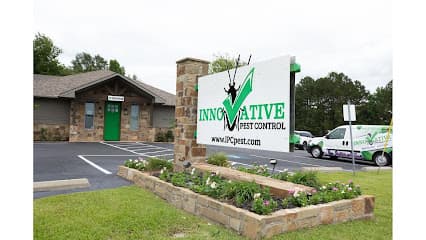
Innovative Pest Control

Mosquito Hunters of Tyler-Palestine
Mosquito Hunters of Tyler-Palestine

JMJ Home Inspections