BMI Pest Management
DBA of BMI PEST MANAGEMENT LLC
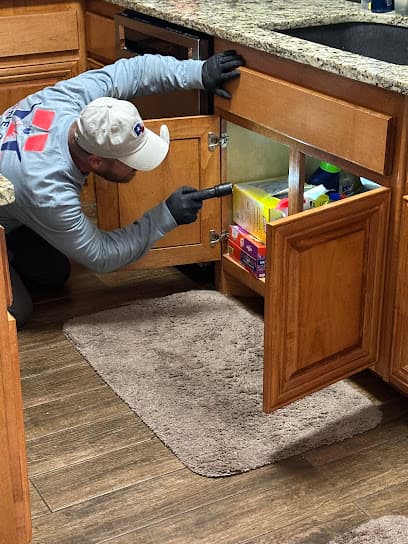
BMI Pest Management is a pest control provider based in Belton, BELL County, Texas. They operate under Structural Pest Control Business License TPCL #566713, issued by the Texas Department of Agriculture.
The company is licensed for 3 service categories, including pest control, termite treatment, and lawn & landscape care. This broad licensing reflects their capacity to handle a wide range of pest management needs, from routine household pest treatment to specialized services.
Customers have rated BMI Pest Management 5 out of 5 stars, with 30+ reviews reflecting their service track record in Belton.
Licensed for 3 service categories under TPCL #566713
General pest management for common household pests including roaches, ants, spiders, and more
Inspection, treatment, and prevention of subterranean, drywood, and Formosan termites
Lawn pest control, grub treatment, fire ant yard management, and landscape protection
Also listed on Google as
Based on BMI Pest Management's licensed service categories
310 S Main St, Temple, TX 76504
Open in Google Maps| Day | Hours |
|---|---|
| Monday | 8 AM to 5:30 PM |
| Tuesday | 8 AM to 5:30 PM |
| Wednesday | 8 AM to 5:30 PM |
| Thursday | 8 AM to 5:30 PM |
| Friday | 8 AM to 5:30 PM |
| Saturday | Closed |
| Sunday | Closed |


+5 more photos
BMI Pest Management holds TPCL #566713 with 3 authorized service categories
General Pest Control (Category P)
Category P authorizes the company to perform general structural pest control services. This is the most common license category and covers the identification, treatment, and prevention of common household and commercial pests.
What this license covers:
- Cockroaches, ants, spiders, silverfish, and crickets
- Bed bugs, fleas, ticks, and mosquitoes
- Wasps, hornets, and other stinging insects
- Scorpions, centipedes, and occasional invaders
- Interior and exterior perimeter treatments
- Preventive pest management programs
Why it matters: Category P is the foundation license for most pest control companies. It ensures the company has trained technicians who understand pest biology, proper pesticide application, and safety protocols for treating homes and businesses.
Termite Treatment (Category T)
Category T authorizes the company to inspect for, treat, and prevent termite infestations. This is a specialized license requiring additional training in termite biology, soil treatment, and structural assessment.
What this license covers:
- Subterranean termite treatment (liquid barriers and bait systems)
- Drywood termite treatment (localized and whole-structure)
- Formosan termite identification and treatment
- Pre-construction termite prevention for new buildings
- Termite inspections and WDI (Wood-Destroying Insect) reports
- Annual monitoring and warranty programs
Why it matters: Termite treatment requires specialized knowledge of soil chemistry, building construction, and treatment techniques. An incorrect application can fail to protect the structure or cause environmental damage. The T category ensures the company meets TDA standards for termite work.
Lawn & Landscape Care (Category L)
Category L authorizes the application of pesticides to lawns, ornamental plants, trees, and landscape areas. This license covers outdoor pest management separate from structural pest control.
What this license covers:
- Fire ant treatment and yard management
- Grub and chinch bug treatment in turf
- Mosquito yard treatments and barrier sprays
- Flea and tick outdoor applications
- Tree and ornamental insect and disease treatment
- Weed control and pre-emergent applications
Why it matters: Lawn and landscape pesticide application requires understanding of turf grass species, plant sensitivity, environmental considerations like runoff, and proper timing for effective treatment. The L category ensures the applicator is trained in outdoor-specific pest management.
Common questions about pest control services in Belton, TX
How often should I schedule pest control services?
Most Texas homes benefit from quarterly pest control treatments due to the warm climate that keeps pests active year-round. Properties with ongoing issues or those near wooded areas may need monthly service. An annual termite inspection is recommended even if you have no visible signs of activity.
Are organic or natural pest control options effective?
Organic methods such as diatomaceous earth, essential oil repellents, and boric acid can be effective for certain pests. However, they often work more slowly and may not be sufficient for severe infestations. Many Texas companies offer green or low-toxicity options that balance effectiveness with environmental responsibility.
What happens if pests come back after treatment?
Most pest control companies offer re-treatment guarantees — if pests return between scheduled visits, they will re-treat at no additional charge. This is standard with ongoing service plans. For one-time treatments, ask about the warranty period. Persistent issues may indicate entry points that need sealing or environmental factors that need addressing.
What does it mean when a pest control license is inactive?
An inactive license means the company has not renewed their TPCL with the Texas Department of Agriculture. This could be due to business closure, failure to meet insurance requirements, or voluntary non-renewal. Companies with inactive licenses cannot legally perform pest control services in Texas.
Can I report a pest control company in Texas?
Yes. Complaints against licensed pest control companies can be filed with the Texas Department of Agriculture. You can report unlicensed operators, unsafe practices, or unsatisfactory service. The TDA investigates complaints and can take enforcement action including fines and license suspension.
What pests does general pest control cover?
General pest control (Category P) covers common household pests including cockroaches, ants, spiders, silverfish, earwigs, crickets, centipedes, and occasional invaders. Some companies include mosquito and flea treatments in their general service, while others offer these as add-ons.
What types of termites are found in Texas?
Texas has three main termite types: Eastern subterranean termites (most common, found statewide), Formosan subterranean termites (aggressive species in Southeast Texas and coastal areas), and drywood termites (found in attics and furniture, mainly in South and Coastal Texas). Each requires different treatment approaches.
How often should I have my lawn treated for pests?
Most Texas lawns benefit from quarterly pest applications timed to seasonal pest activity: spring (fire ants, grubs), summer (chinch bugs, mosquitoes), fall (armyworms, fire ants), and winter (pre-emergent applications). Properties with persistent fire ant problems may need more frequent treatment.
How do bed bugs get into my home?
Bed bugs are hitchhikers — they travel in luggage, used furniture, clothing, and boxes. Hotels, public transportation, and secondhand items are common sources. They do not indicate poor hygiene or dirty conditions. Infestations can happen in any home and should be treated by a licensed professional promptly.
Are scorpions in Texas dangerous?
The striped bark scorpion is the most common species in Texas. Its sting is painful (similar to a bee sting) but rarely medically significant for healthy adults. Children, elderly individuals, and those with allergies may have stronger reactions. If stung, apply ice and monitor for unusual symptoms. Seek medical attention for severe reactions.
What are the most common pests in Texas?
The most common Texas pests include fire ants, cockroaches (American and German), termites (subterranean and Formosan), mosquitoes, scorpions, spiders (brown recluse and black widow), wasps, rodents, bed bugs, and fleas/ticks. The warm climate and diverse geography create ideal conditions for a wide variety of pests year-round.
Are eco-friendly pest control methods effective?
Modern eco-friendly methods including botanical insecticides, essential oil repellents, diatomaceous earth, and biological controls can be effective for many common pests. They work best as part of an IPM program that emphasizes prevention and monitoring. For severe infestations, conventional products may be needed initially before transitioning to green maintenance.
- TPCL #
- 566713
- License Type
- P — Pest ControlT — Termite TreatmentL — Lawn & Landscape Care
- Issued
- N/A
- Renewed
- N/A
- Expires
- November 30, 2025
- Insurance Exp.
- N/A
- Operator
- SCOTT W MORROW
- Legal Name
- BMI PEST MANAGEMENT LLC
Licensed by the Texas Department of Agriculture. Verify at texasagriculture.gov
More Pest Control in Belton

Hargrove Pest & Termite Control

BMI Pest Management

Hoelscher Pest Control

ABC Home & Commercial Services

Advantage Pest Control