
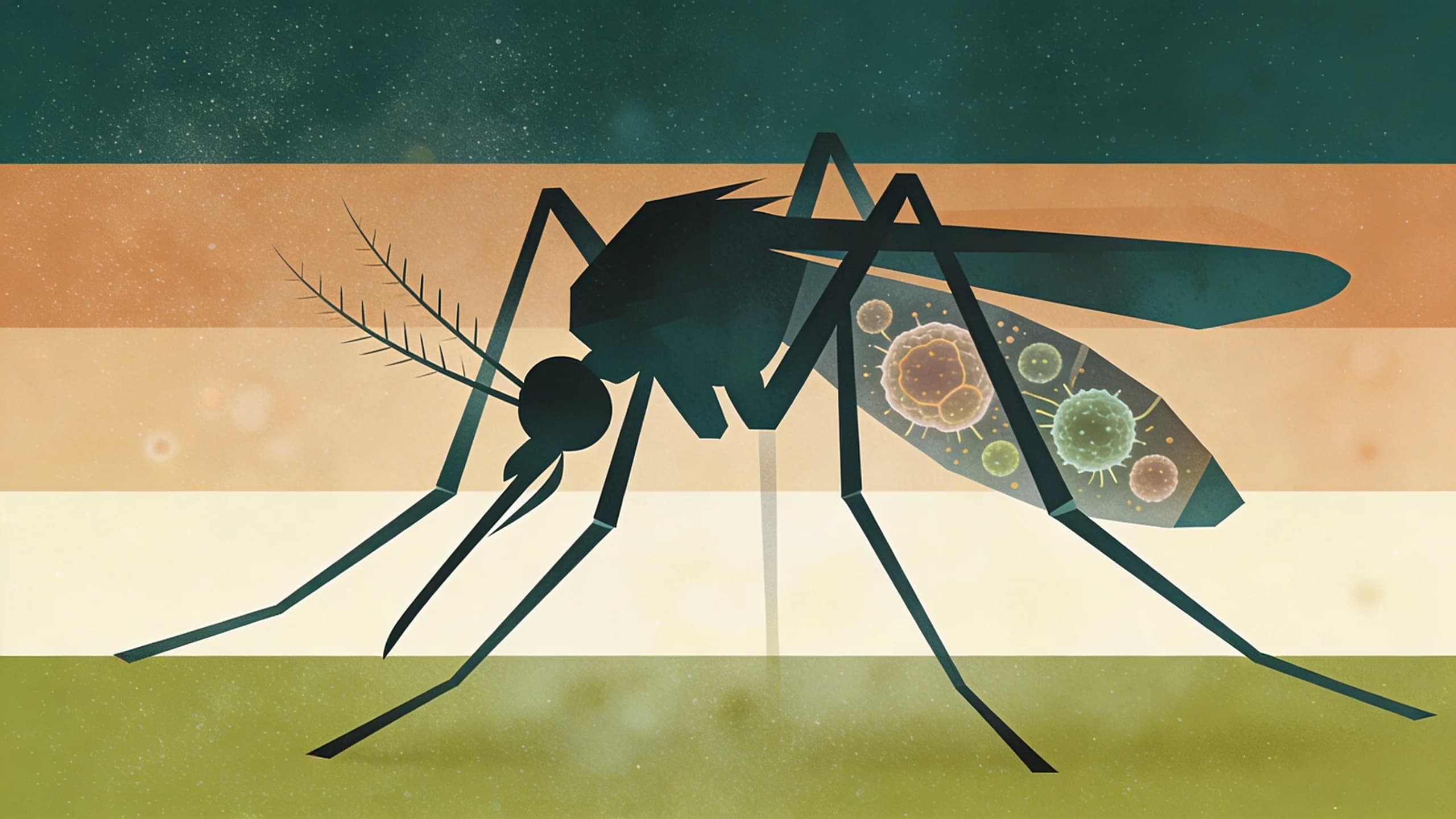
Google Seeks EPA Permit to Release Wolbachia-Infected Mosquitoes in Texas and Beyond
Google wants to release millions of bacteria-infected mosquitoes across the United States, and federal regulators are asking the public what they think about it.
The Environmental Protection Agency announced this week that Google LLC has applied for an experimental use permit to deploy male mosquitoes carrying Wolbachia pipientis wAlbB—a naturally occurring bacterium that could fundamentally change how communities battle West Nile virus. The application, filed under docket number EPA-HQ-OPP-2025-3951, specifically targets Culex quinquefasciatus, the southern house mosquito that serves as the primary vector for West Nile transmission in Texas and much of the southern United States.
The timing matters. Houston and Dallas currently rank seventh and eighth respectively on Orkin's 2026 list of America's most mosquito-infested cities, with health officials across the state already detecting early West Nile activity in mosquito pools. The Google proposal represents a significant escalation in biological vector control—moving beyond traditional spraying to a precision intervention that weaponizes the mosquito's own reproductive biology.
How Wolbachia Works
The mechanism is elegant in its cruelty to mosquitoes. When male mosquitoes infected with Wolbachia mate with wild females, the bacteria trigger a phenomenon called cytoplasmic incompatibility. The eggs simply don't develop. No larvae, no new mosquitoes, no disease transmission.
Unlike genetically modified alternatives that have faced regulatory hurdles and public skepticism, Wolbachia occurs naturally in approximately 60 percent of insect species worldwide. The bacterium cannot infect humans, mammals, or birds—it spreads exclusively through arthropod reproductive tissues. This biological specificity has made Wolbachia-based control increasingly attractive to public health officials grappling with insecticide resistance and environmental concerns about broad-spectrum spraying.
Google's interest in mosquito control stems from its Verily Life Sciences division, which has spent years developing automated mosquito rearing and release systems. The company's "Debug" project previously conducted Wolbachia releases in California's Fresno County, claiming up to 95 percent suppression of targeted Aedes aegypti populations—the mosquito responsible for dengue, Zika, and chikungunya.
The Texas Connection
The EPA's decision to classify this permit application as having "regional and national significance" suggests the agency anticipates potential releases in multiple states. Texas represents both an obvious target and a complex regulatory environment for such an experiment.
The state's combination of dense urban centers, sprawling suburban development, and established Culex populations makes it ground zero for West Nile transmission. Texas routinely leads the nation in West Nile neuroinvasive disease cases, with 2025 seeing 378 confirmed cases and 42 deaths according to preliminary Texas Department of State Health Services data. Harris County alone operates one of the most sophisticated mosquito surveillance programs in the country, trapping and testing over 100,000 mosquitoes annually.
Yet Texas also presents unique challenges for biological control. The state's size, climatic diversity, and patchwork of local mosquito control districts—some well-funded urban operations, others rural volunteer efforts—complicate coordinated deployment. Any experimental release would require partnership with existing surveillance infrastructure to measure effectiveness.
Regulatory Crossroads
The EPA's request for public comments, due by June 5, 2026, opens a narrow window for stakeholders to shape the experiment's design. Agricultural interests will likely scrutinize potential impacts on pollinators and beneficial insects, though Wolbachia's species-specific action theoretically minimizes such risks. Environmental groups may raise concerns about unintended ecological consequences of suppressing mosquito populations that serve as food sources for birds, bats, and fish.
Public health officials face a different calculus. West Nile virus has proven stubbornly resistant to traditional control measures. While adulticide spraying can reduce mosquito populations temporarily, it requires repeated applications, generates pesticide resistance, and faces growing community opposition over environmental and health concerns. A biological alternative that targets specific vector species without broad ecological disruption offers obvious appeal.
The permit application also arrives amid heightened scrutiny of pesticide regulation generally. The Supreme Court is currently weighing Monsanto v. Hardeman, a case that could reshape liability standards for chemical manufacturers. Google's Wolbachia proposal represents a technological pivot away from chemical dependence entirely—potentially offering regulators a politically palatable alternative to increasingly controversial insecticide programs.
What Happens Next
If approved, the experimental permit would likely authorize limited releases in designated test areas, with mandatory monitoring of mosquito populations, West Nile infection rates, and any unintended ecological effects. Success in these trials could pave the way for broader deployment across Texas and other southern states where Culex quinquefasciatus dominates.
For Texas residents, the practical implications remain several seasons away. Even accelerated approval would require at least one full mosquito season to generate meaningful data. But the Google application signals a broader shift in vector control strategy—one that could eventually replace the chemical fogging trucks that have been summer fixtures in Texas neighborhoods for generations with precisely targeted biological interventions.
The EPA is accepting public comments on the permit application through June 5, 2026, via the Federal eRulemaking Portal at regulations.gov using docket ID EPA-HQ-OPP-2025-3951.
Sources
Texas Bug Slayers Editorial Team
Editorial Board
The Texas Bug Slayers editorial team brings together licensed pest control professionals, entomologists, and writers dedicated to helping Texans protect their homes and families from pests.
Related Articles
Austin Officials Urge Vigilance as Mosquito Season Kicks Into High Gear
Austin and Travis County health officials launch mosquito season awareness campaign, warning residents about West Nile virus risks and promoting the Four Ds prevention strategy.
Houston and Dallas Rank Among Top 10 Most Mosquito-Infested Cities in 2026
Orkin's 2026 Mosquito Cities List places Houston 7th and Dallas 8th nationally as Texas metro areas remain hotspots for mosquito activity and disease risk.
Heat and Humidity Drive Mosquito Surge Across Central Texas
Unseasonably warm, humid weather creates prime breeding conditions for mosquitoes. Health officials confirm West Nile and dengue cases as experts advise the 'Four D's' of protection.